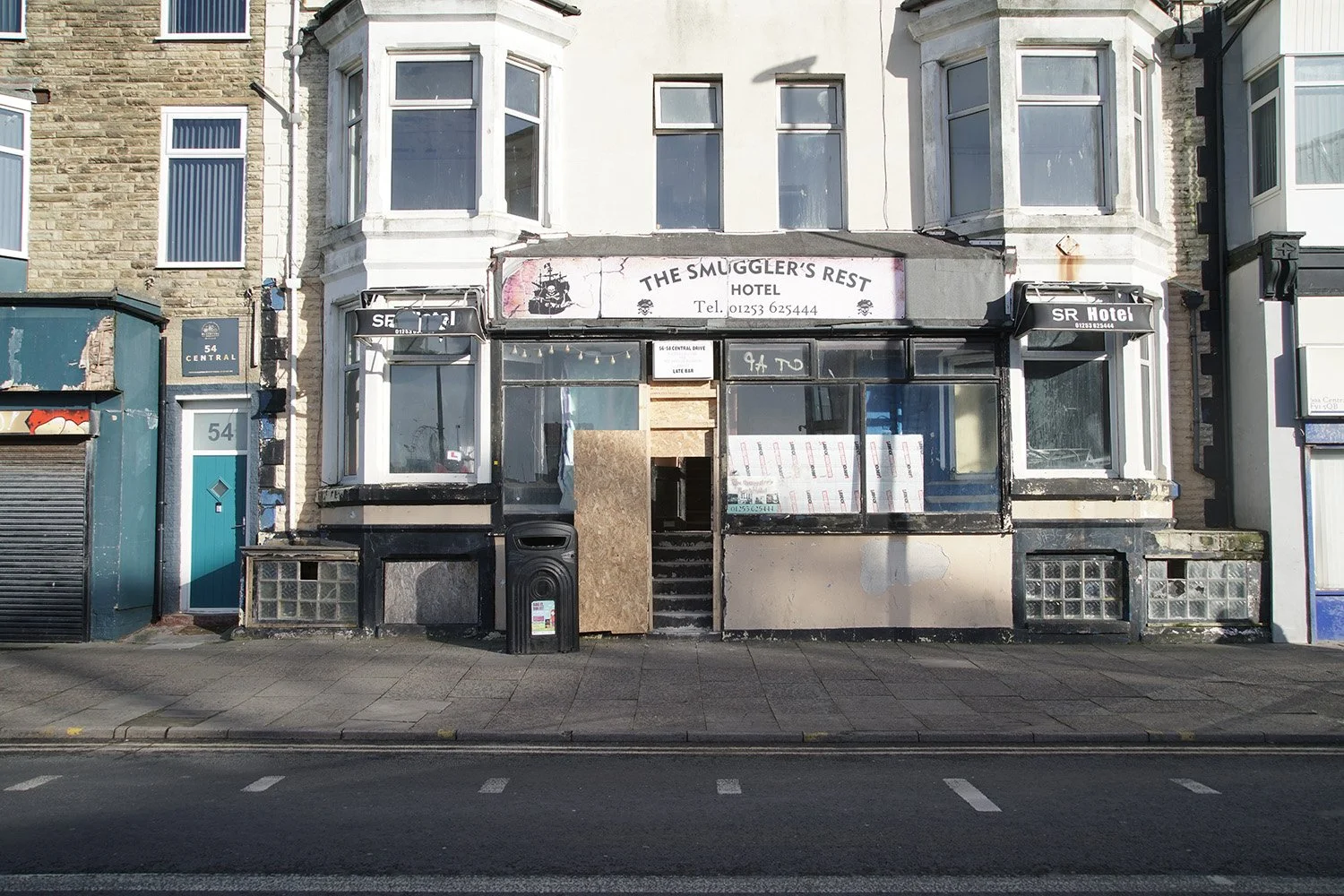
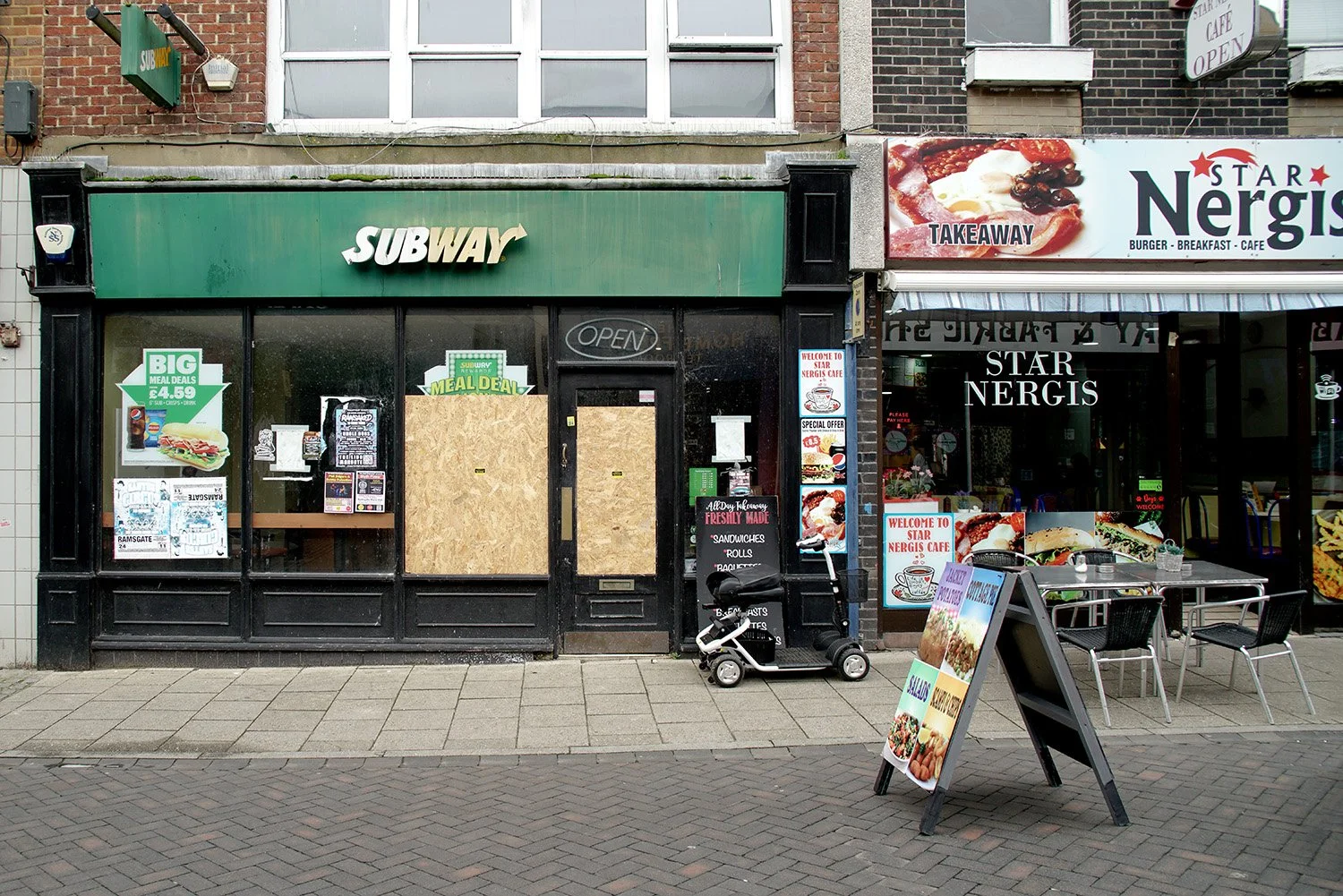
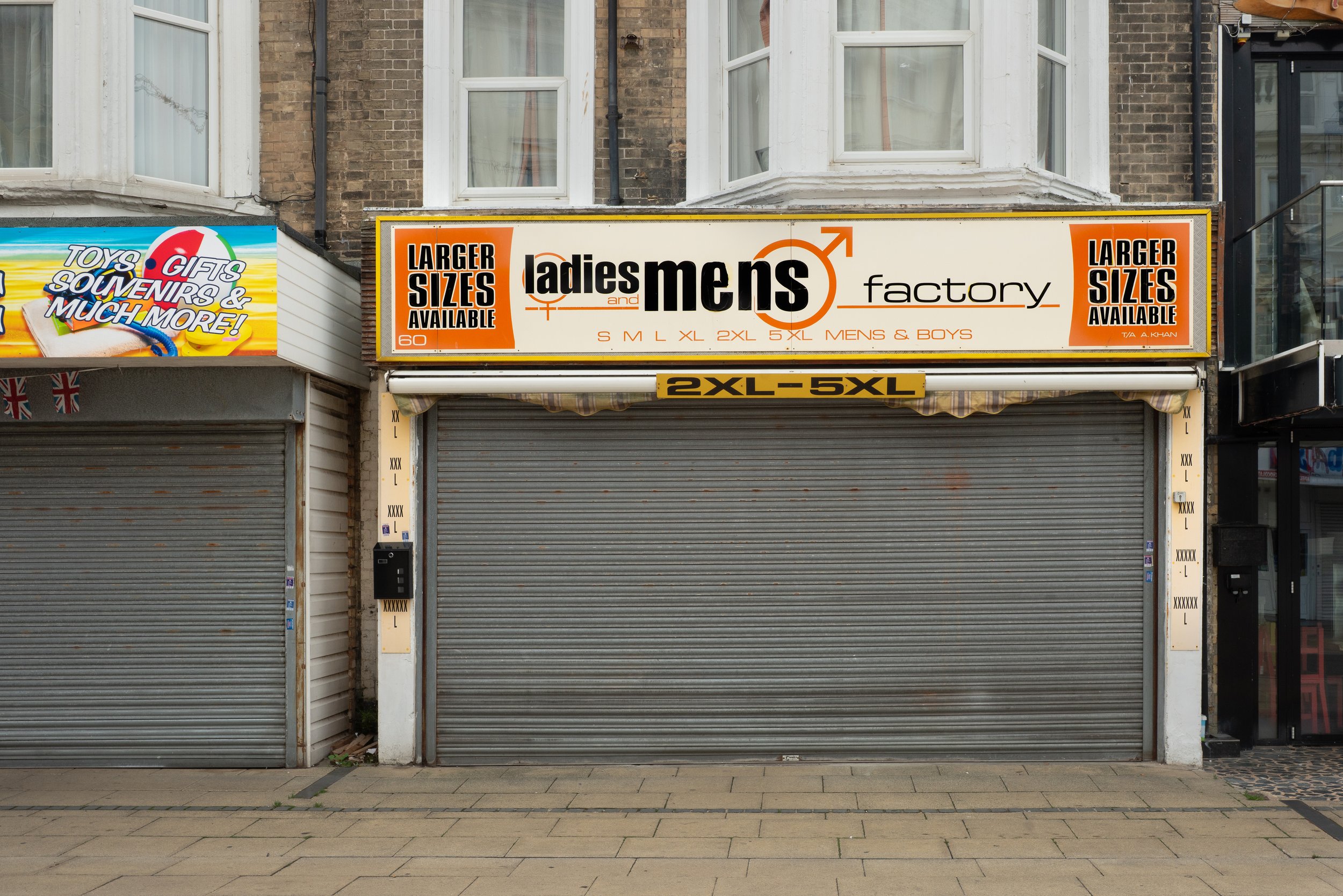
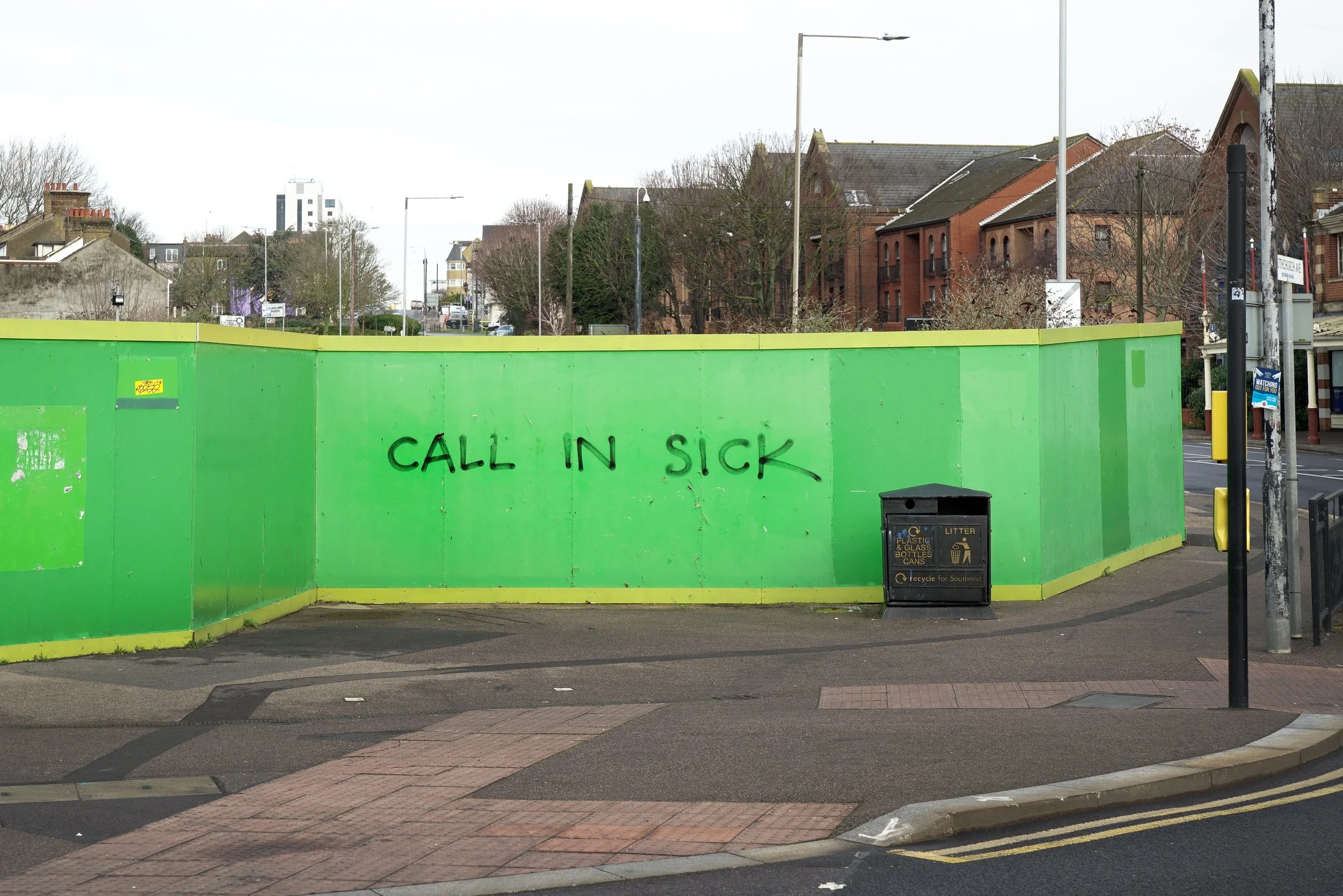
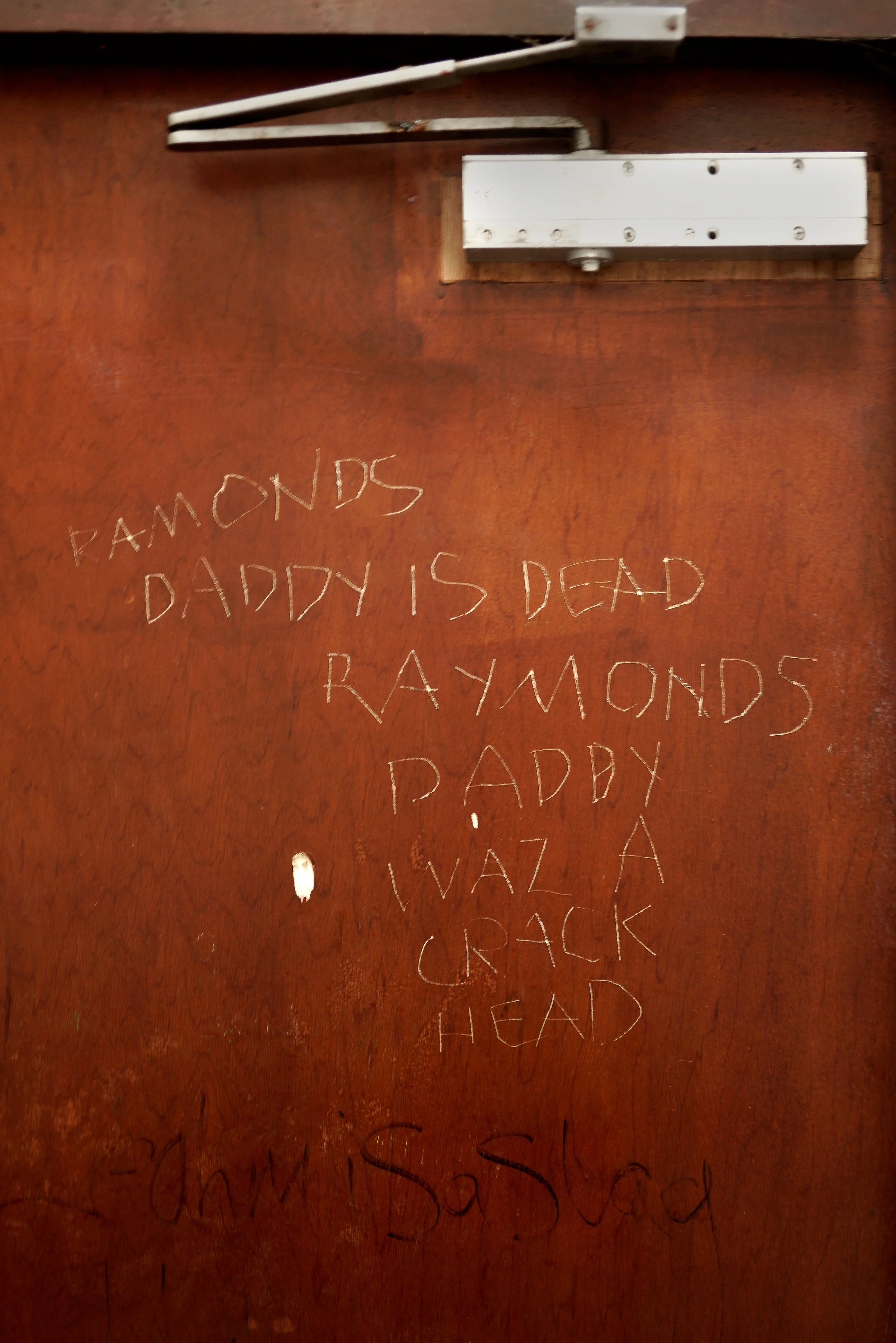
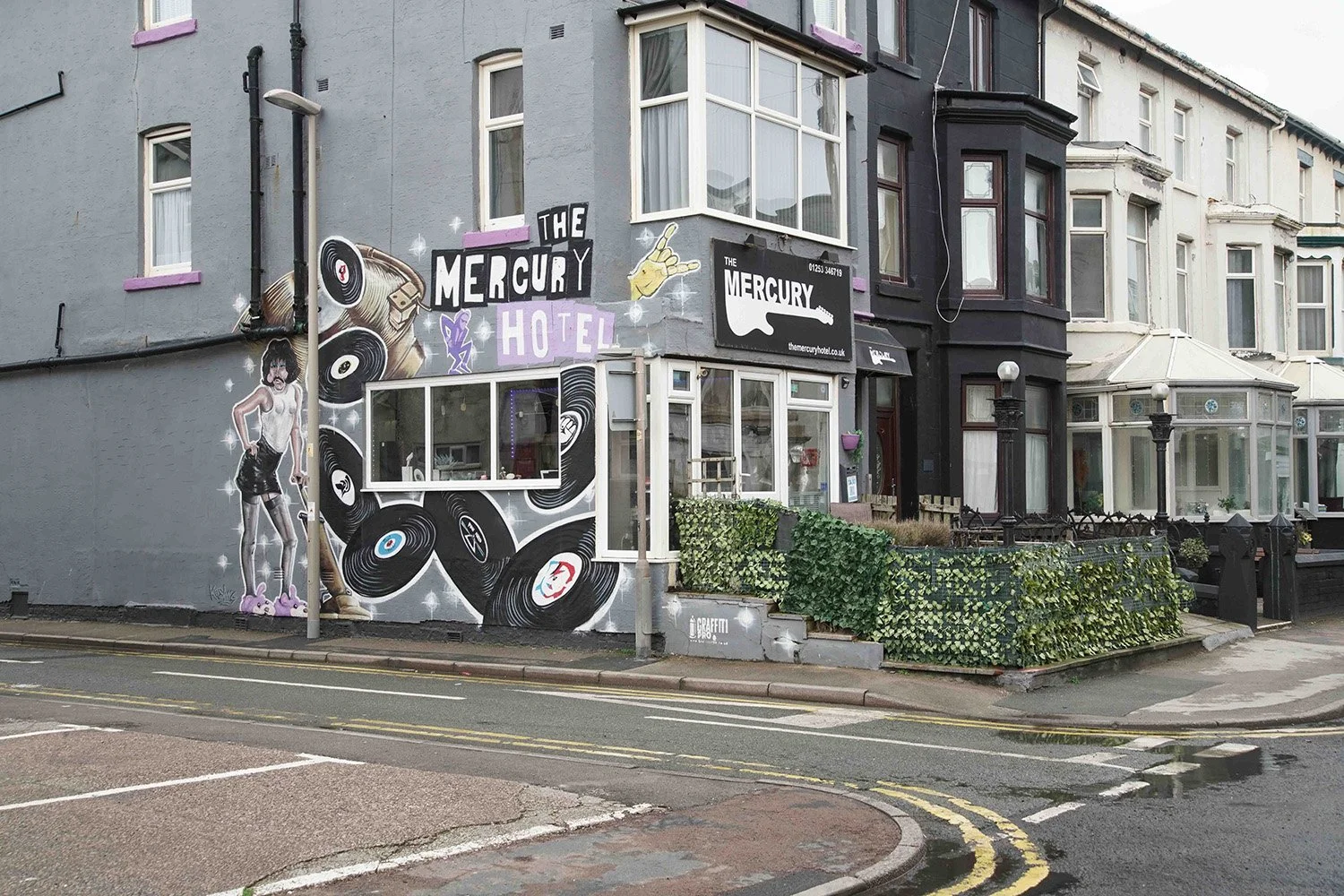
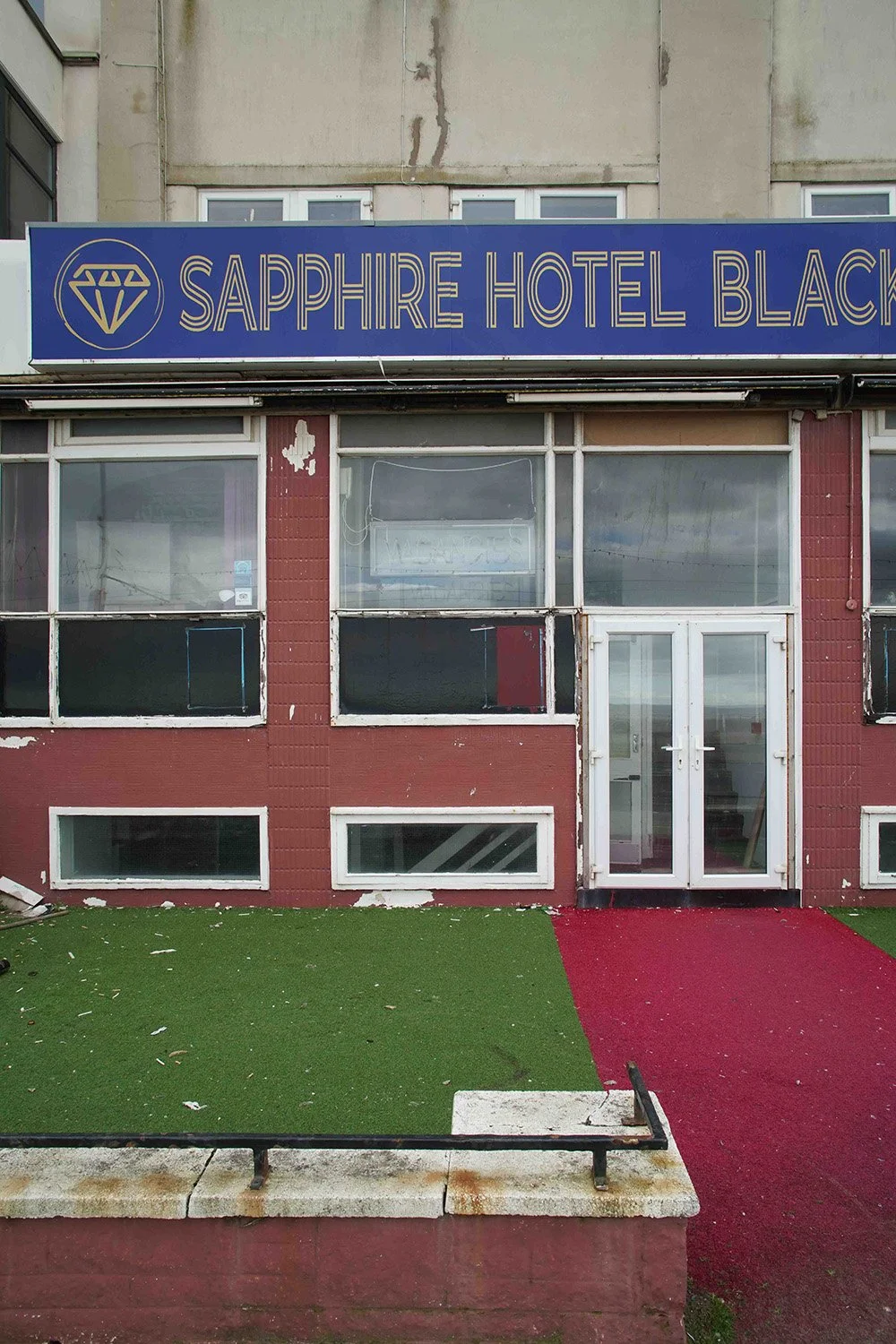
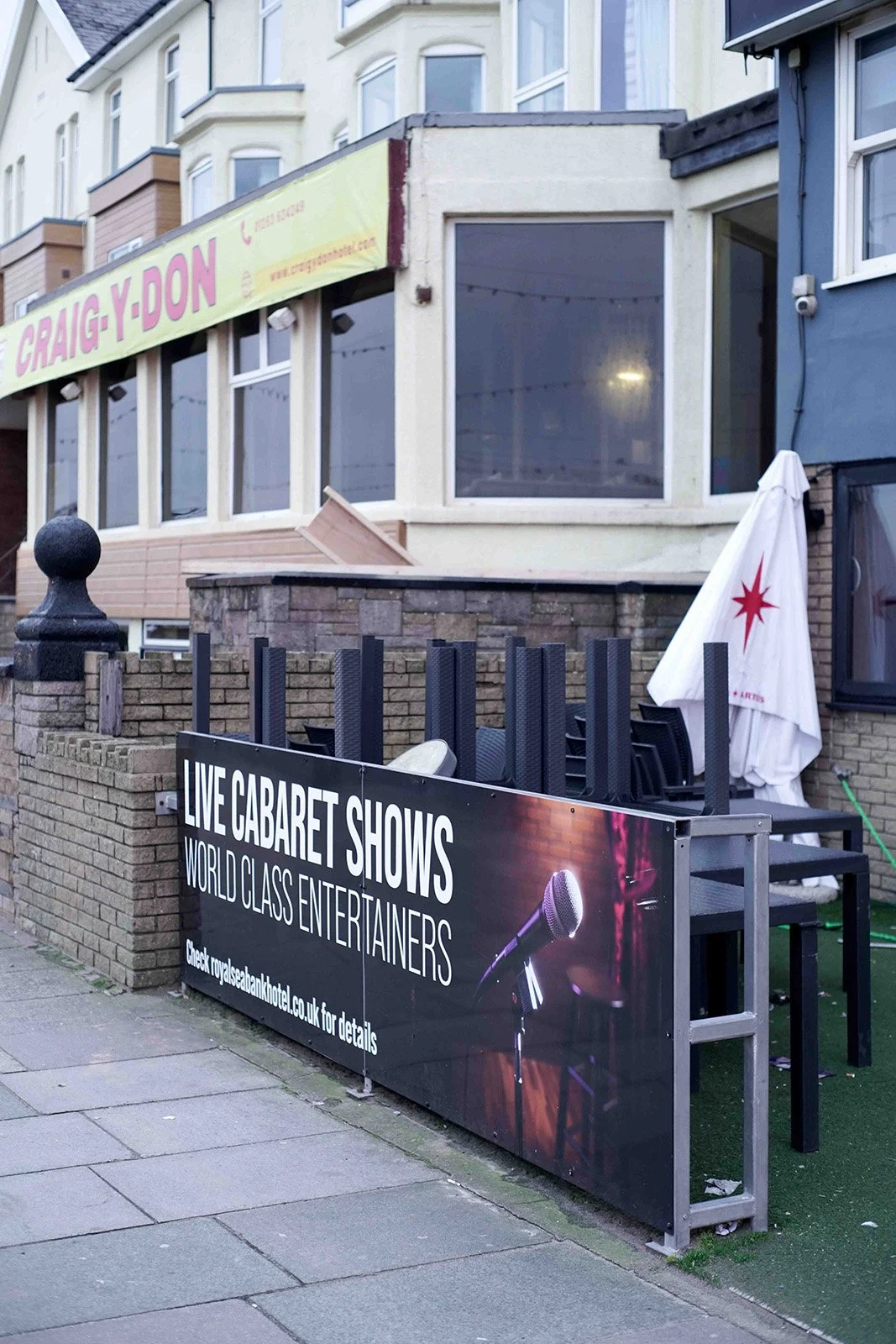
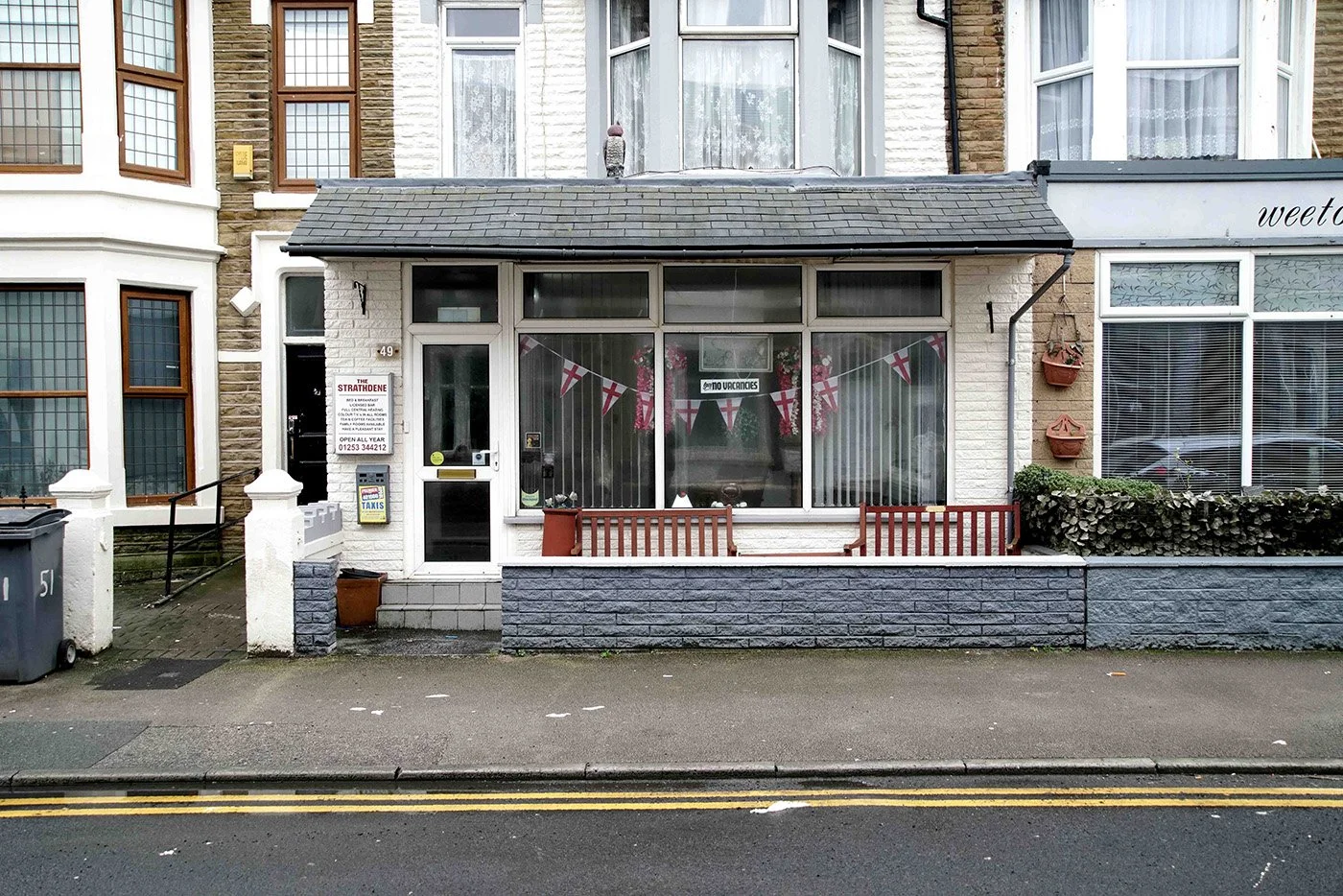
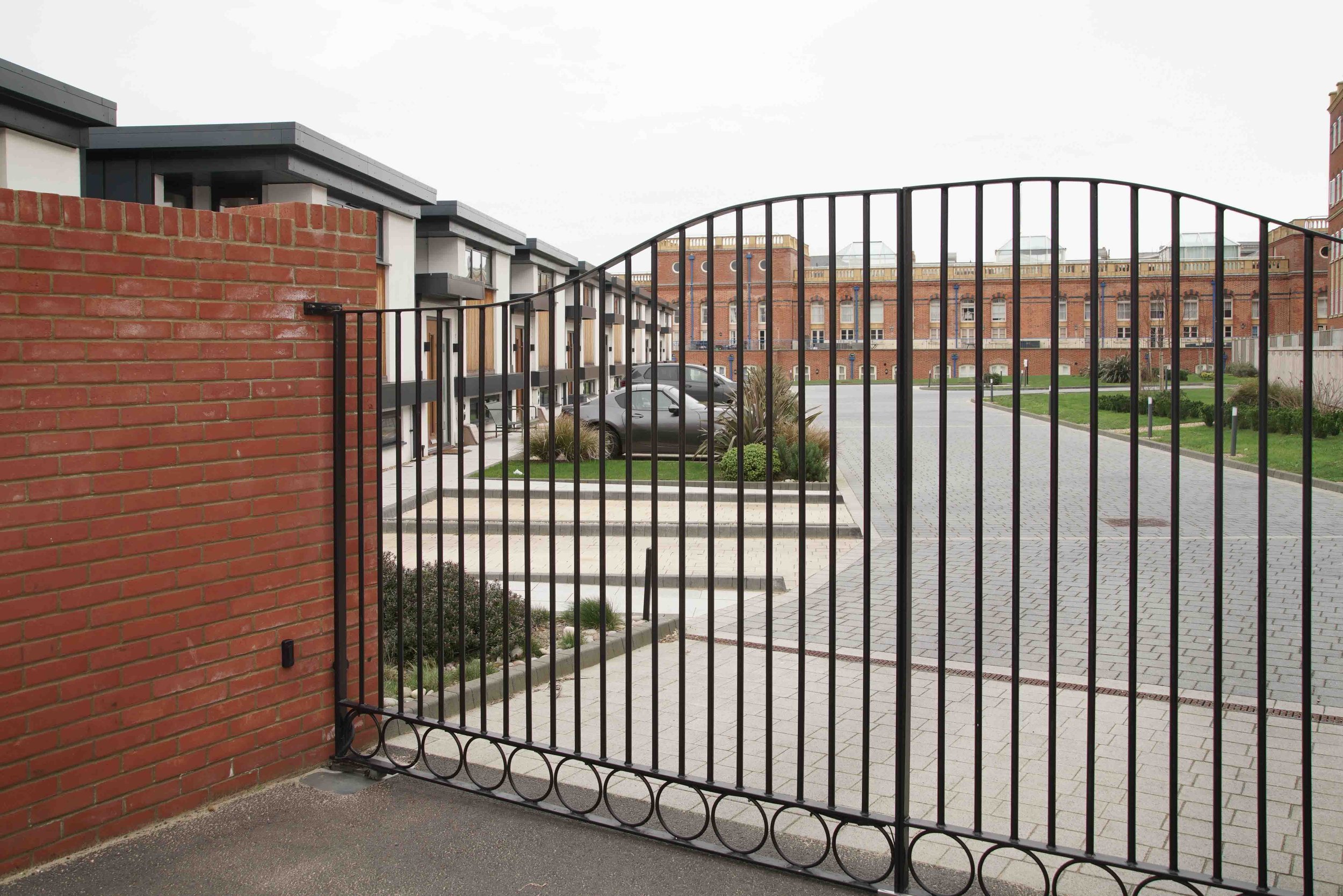
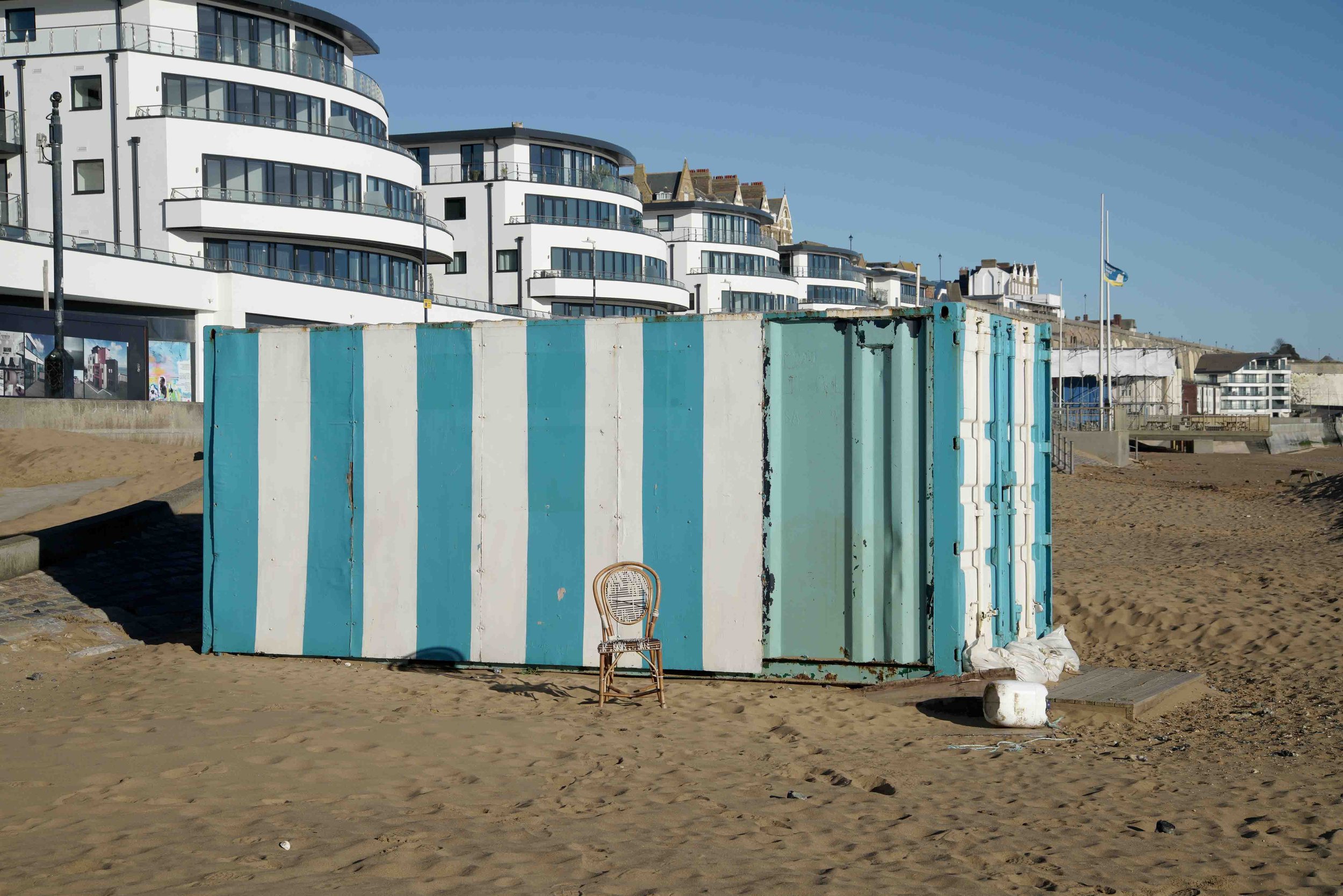
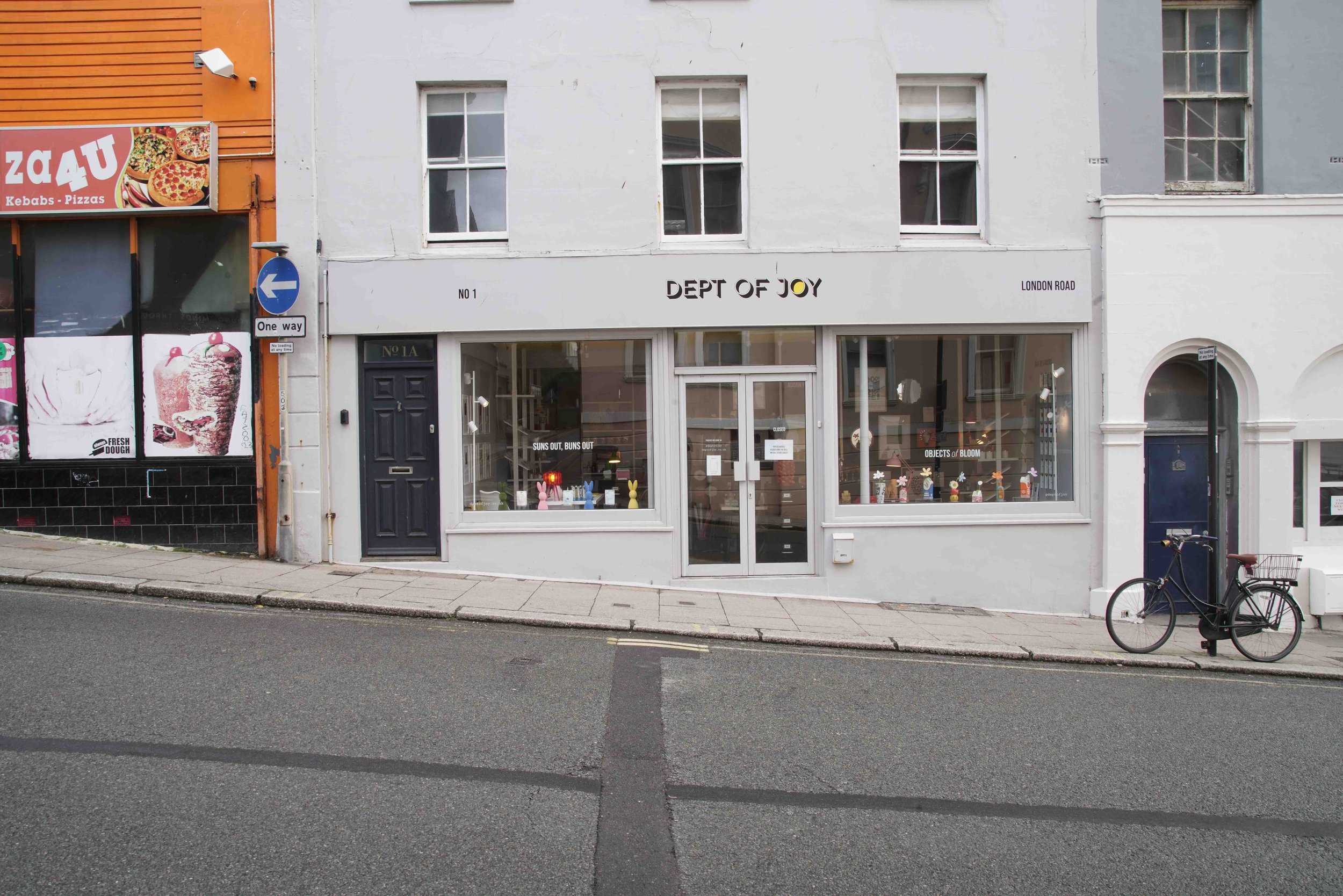
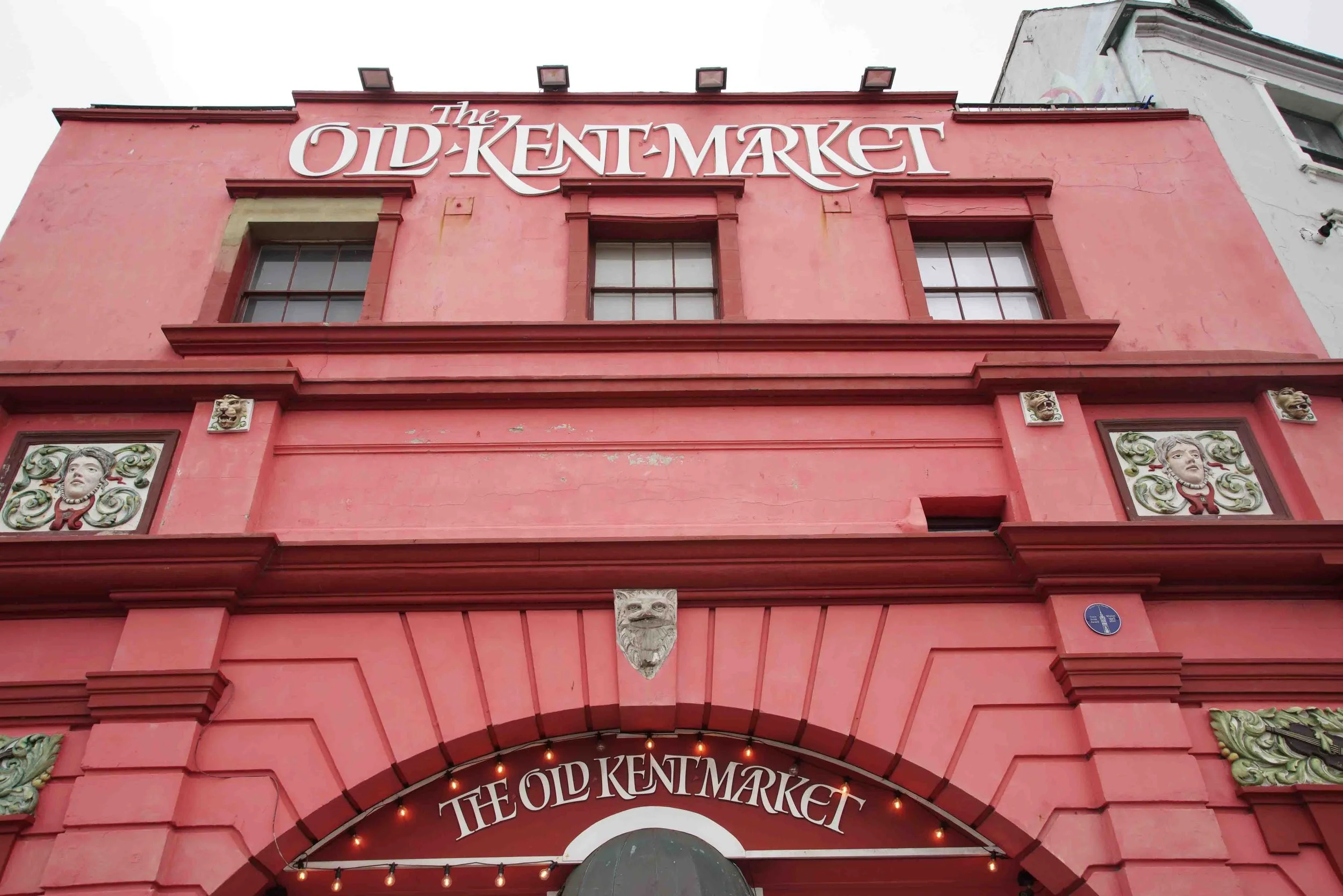
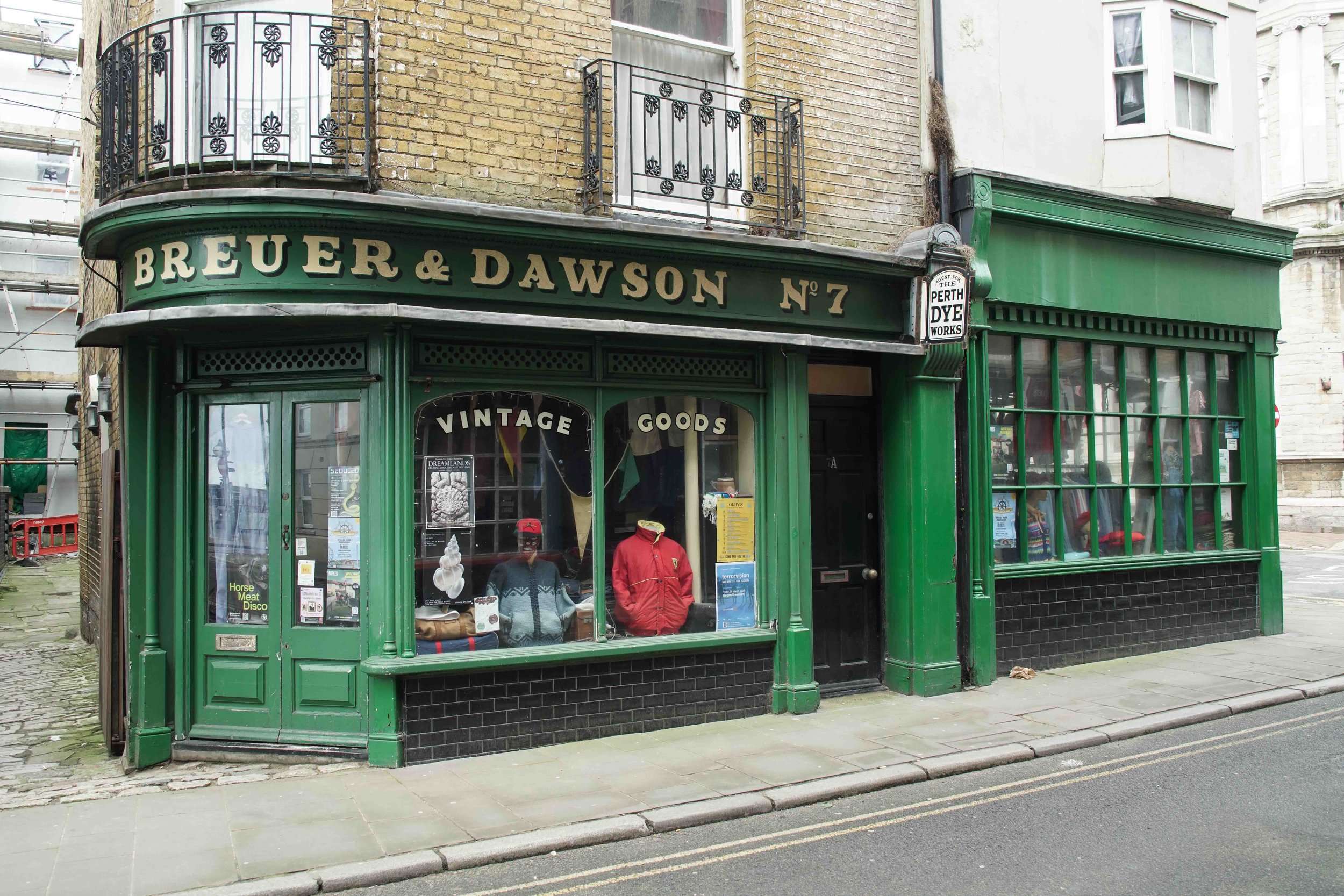
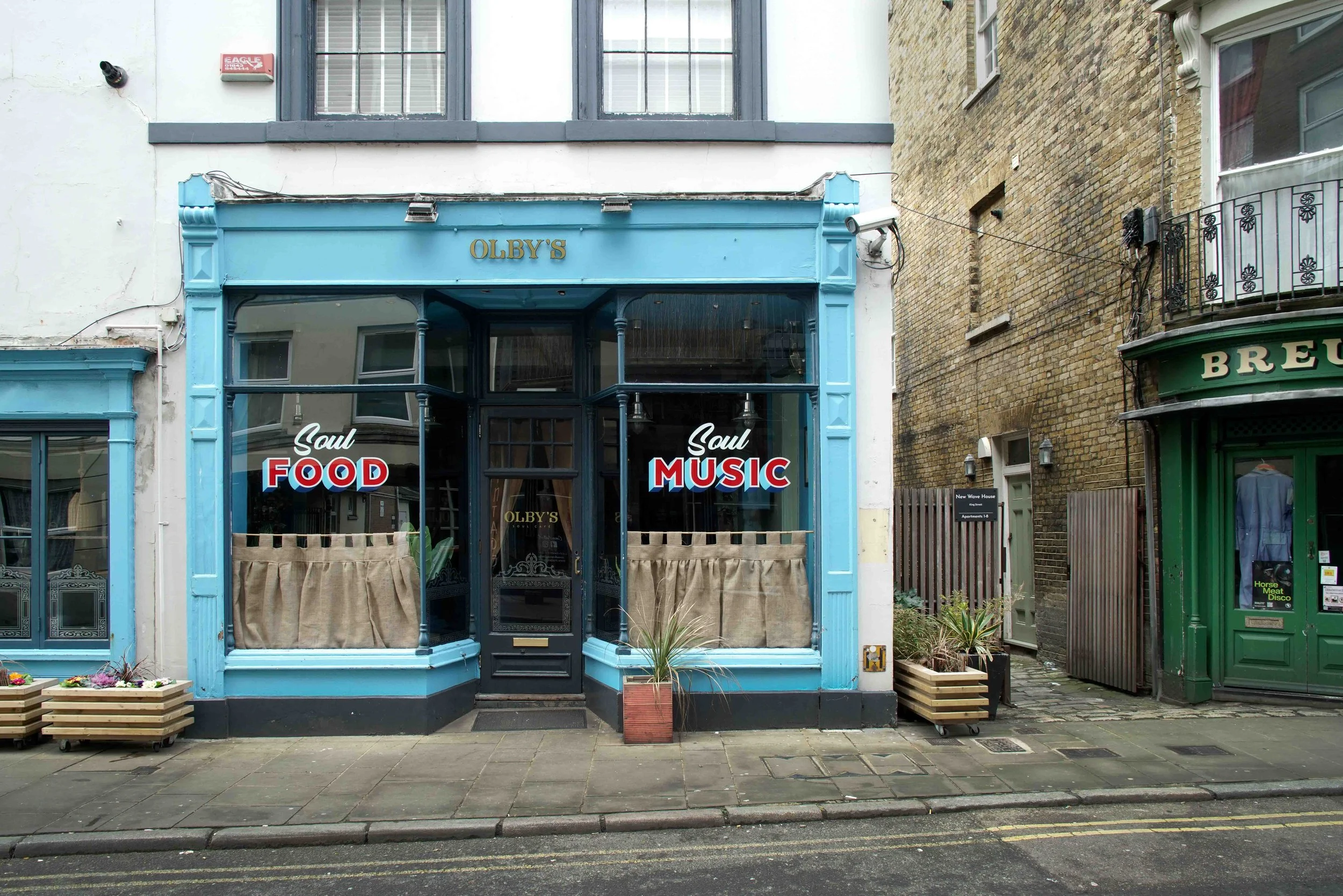
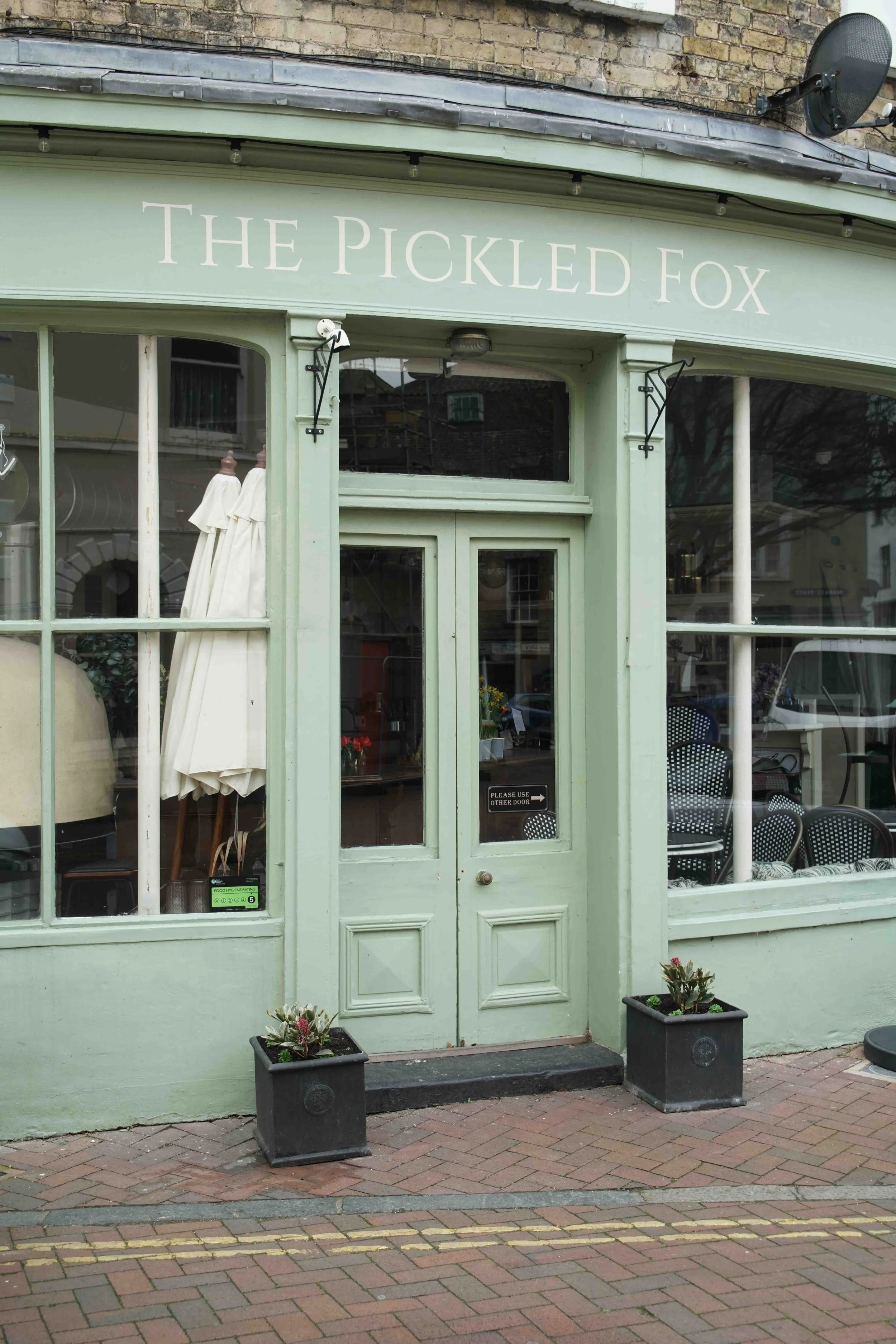
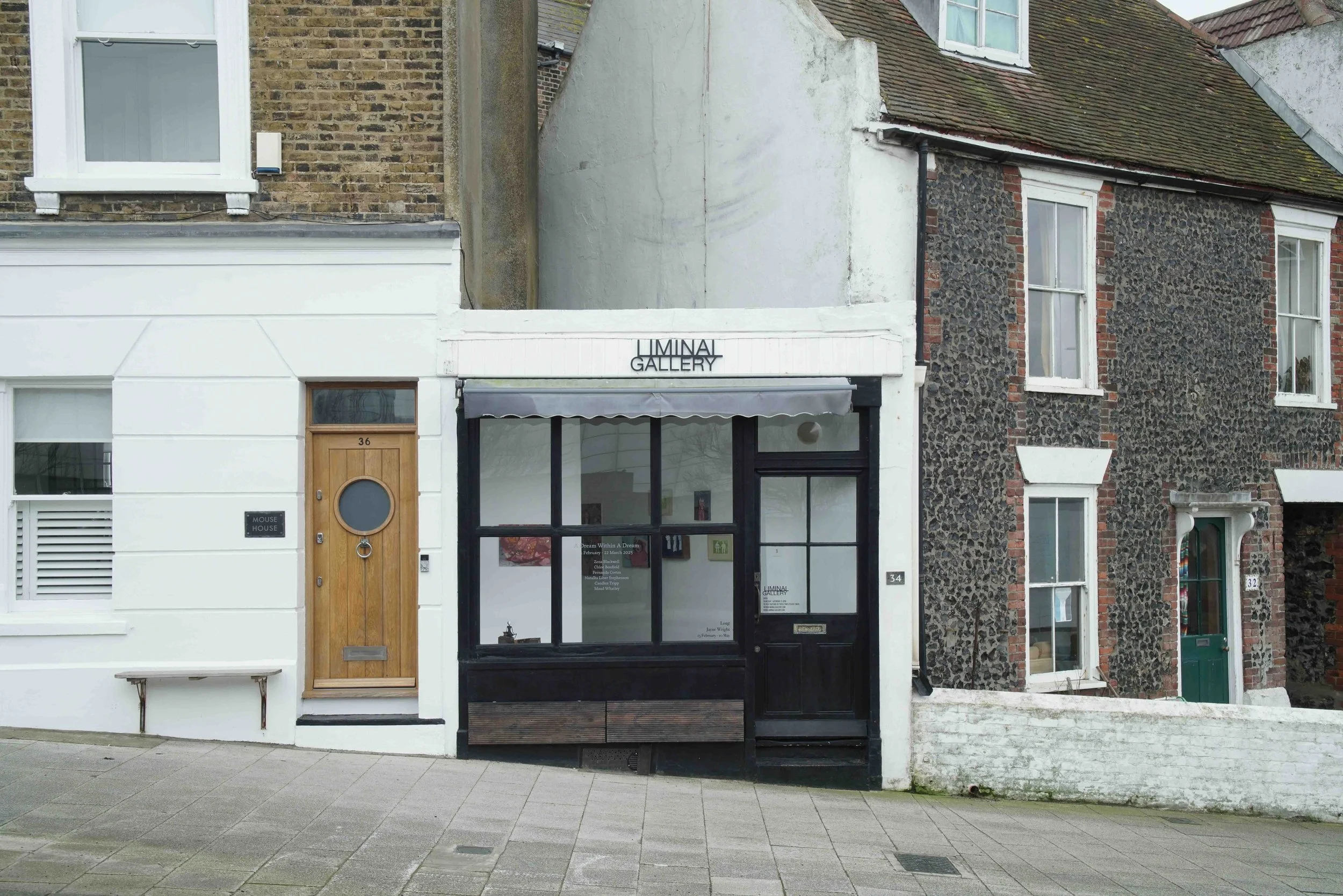
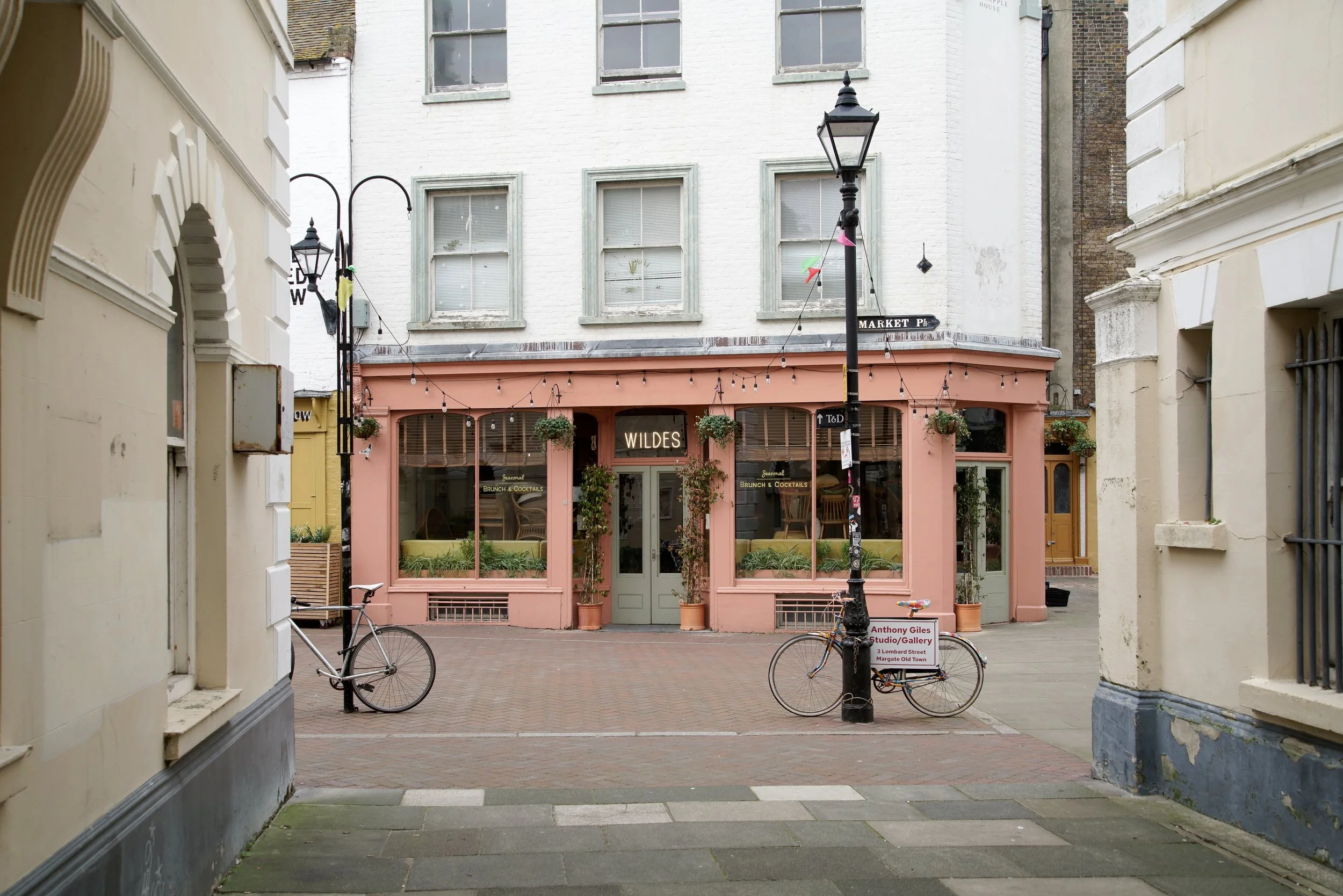
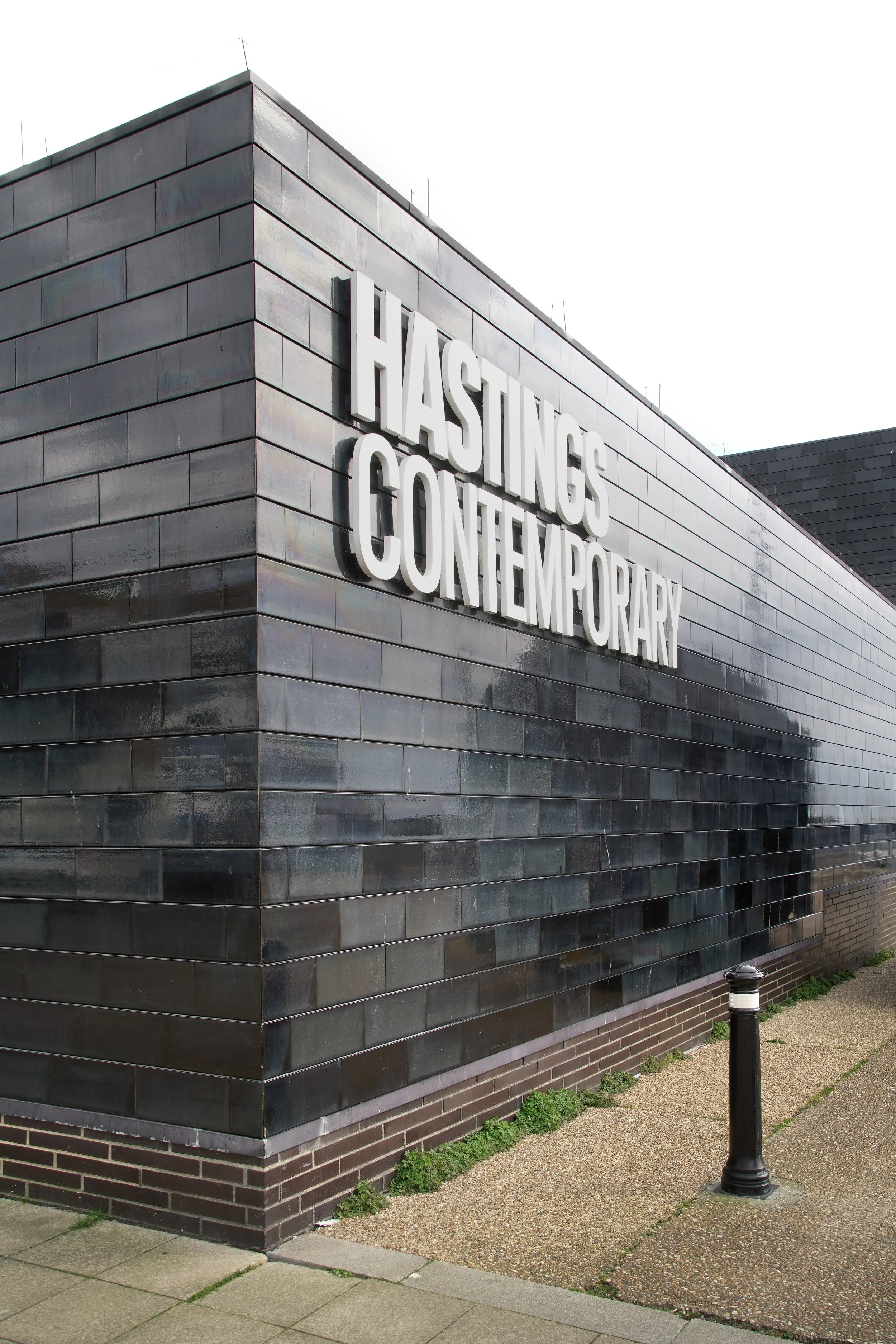
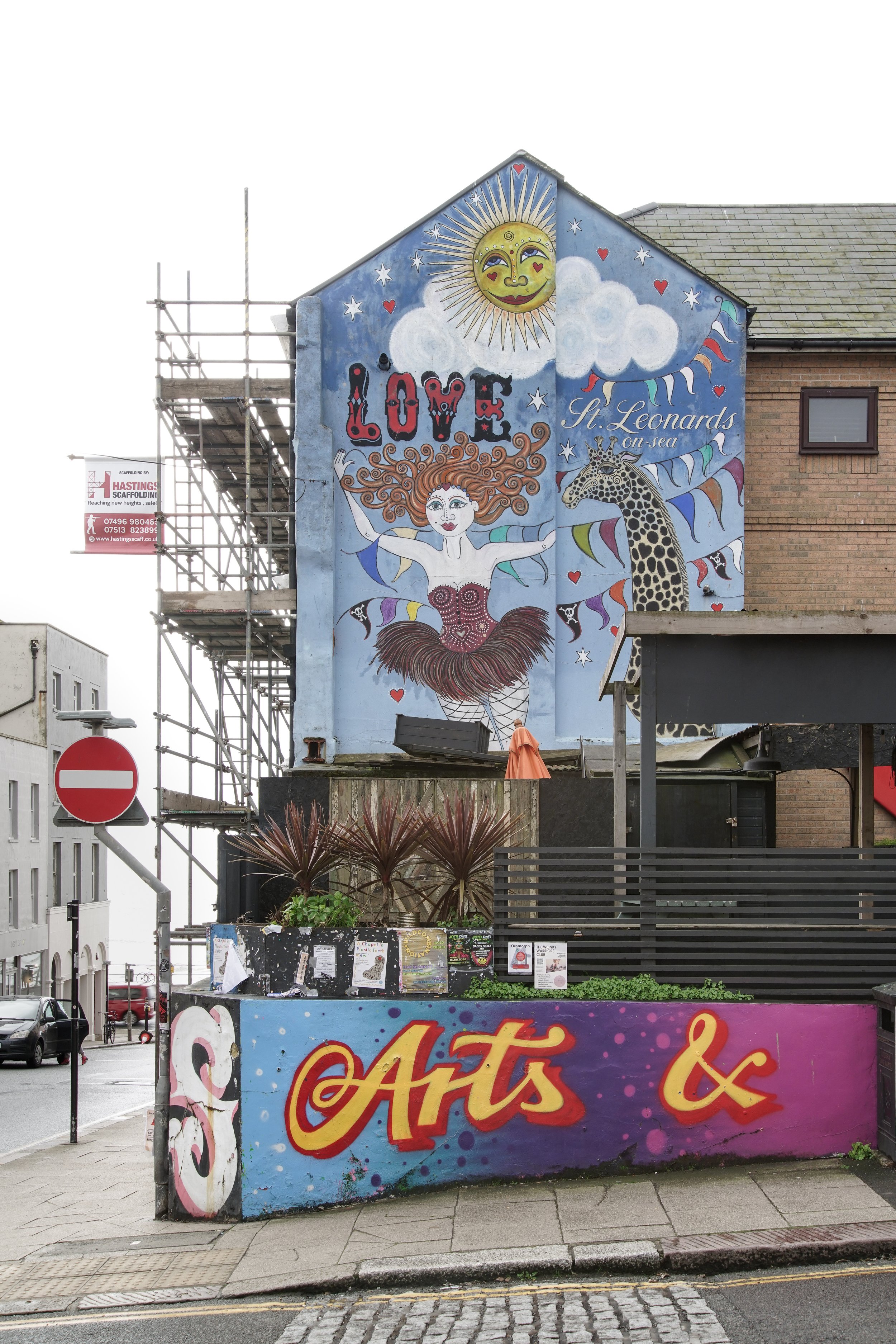
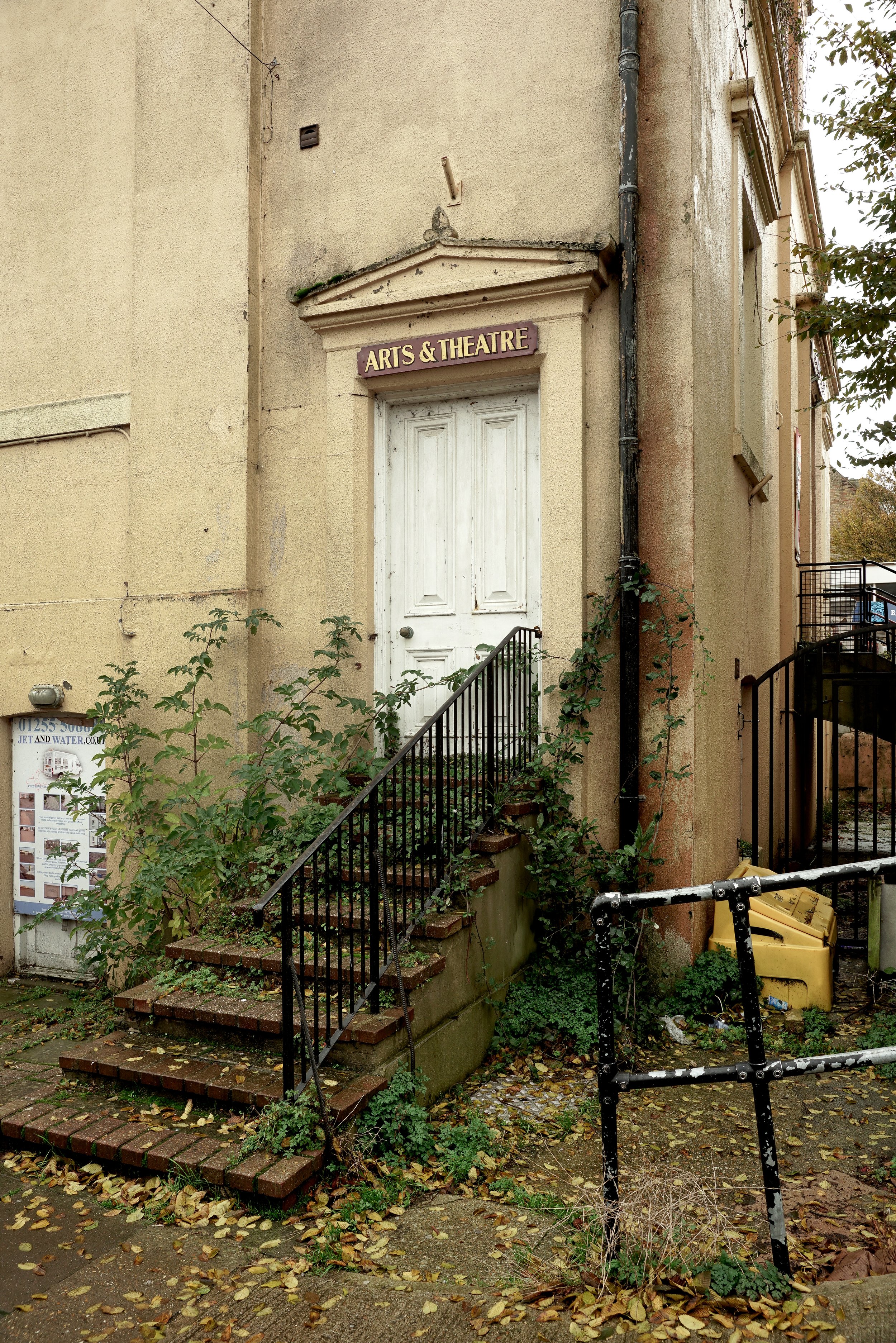
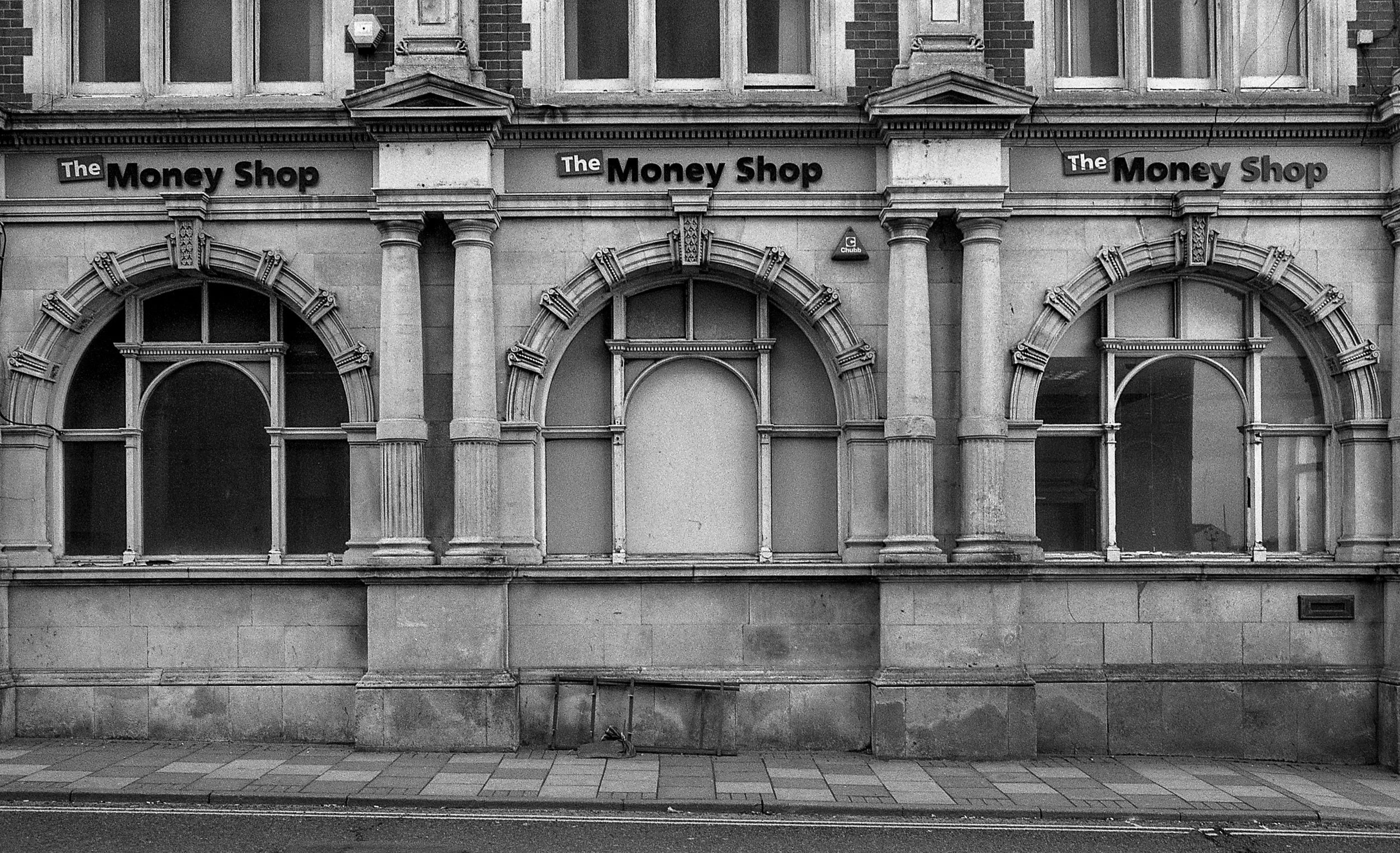
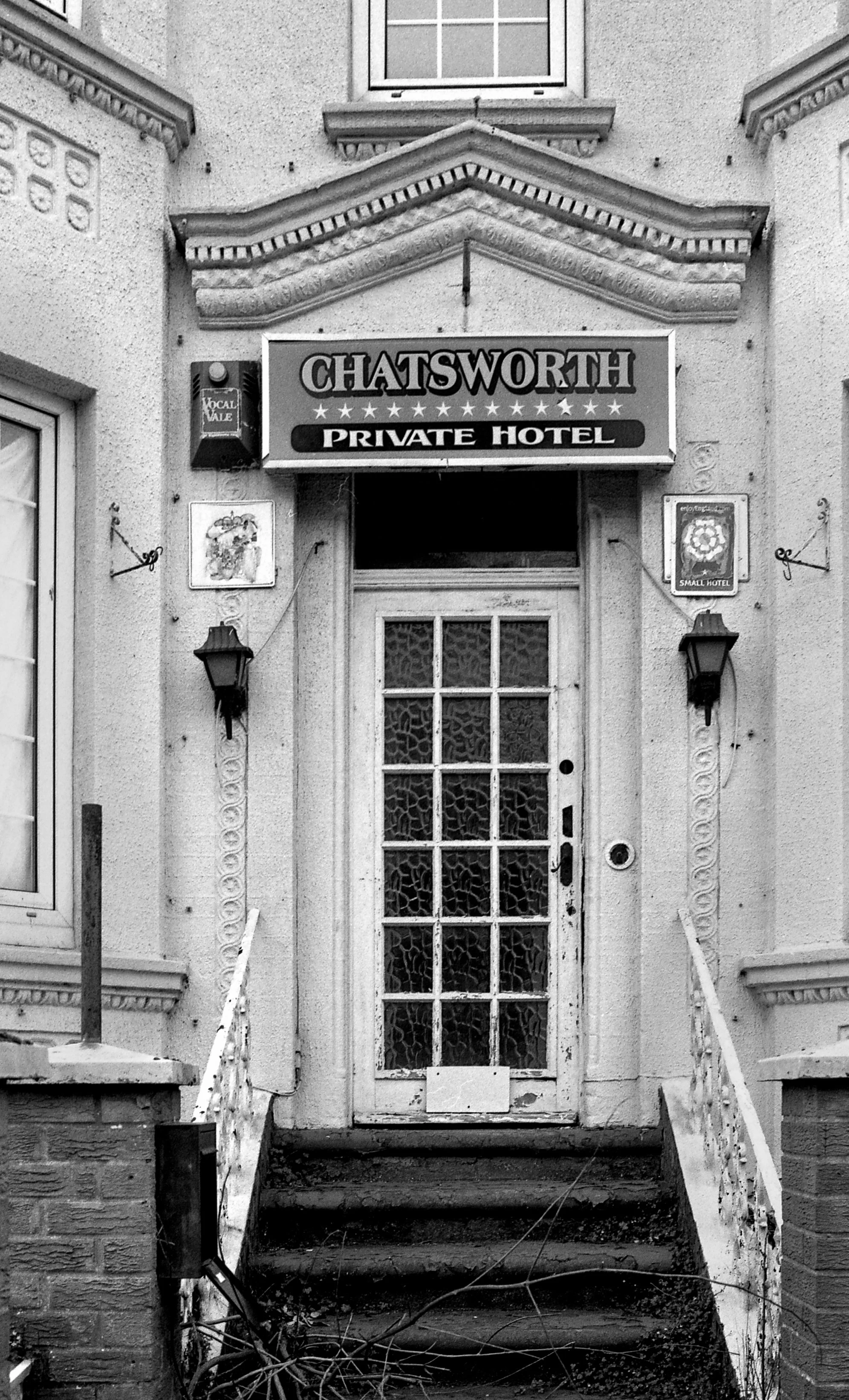
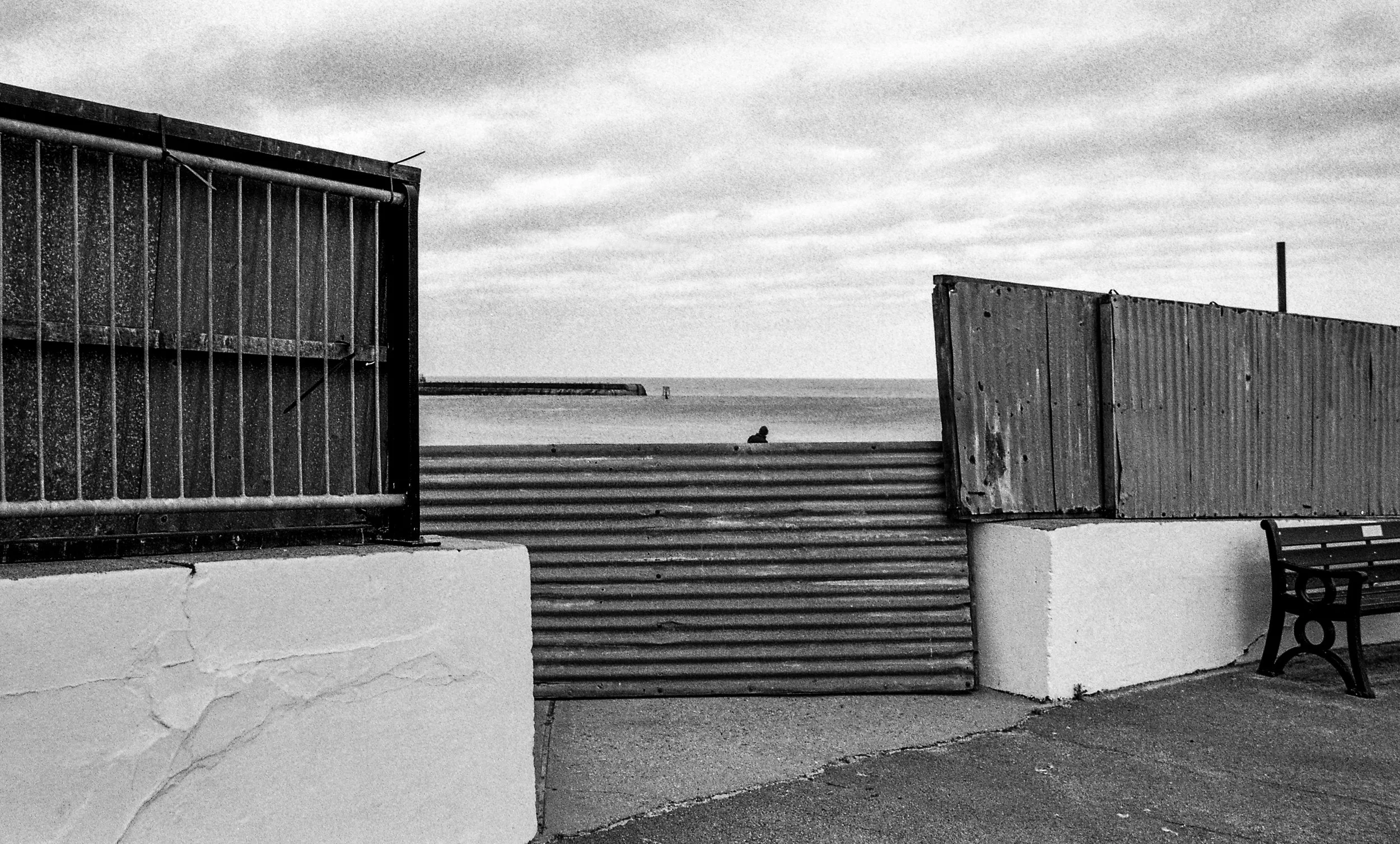
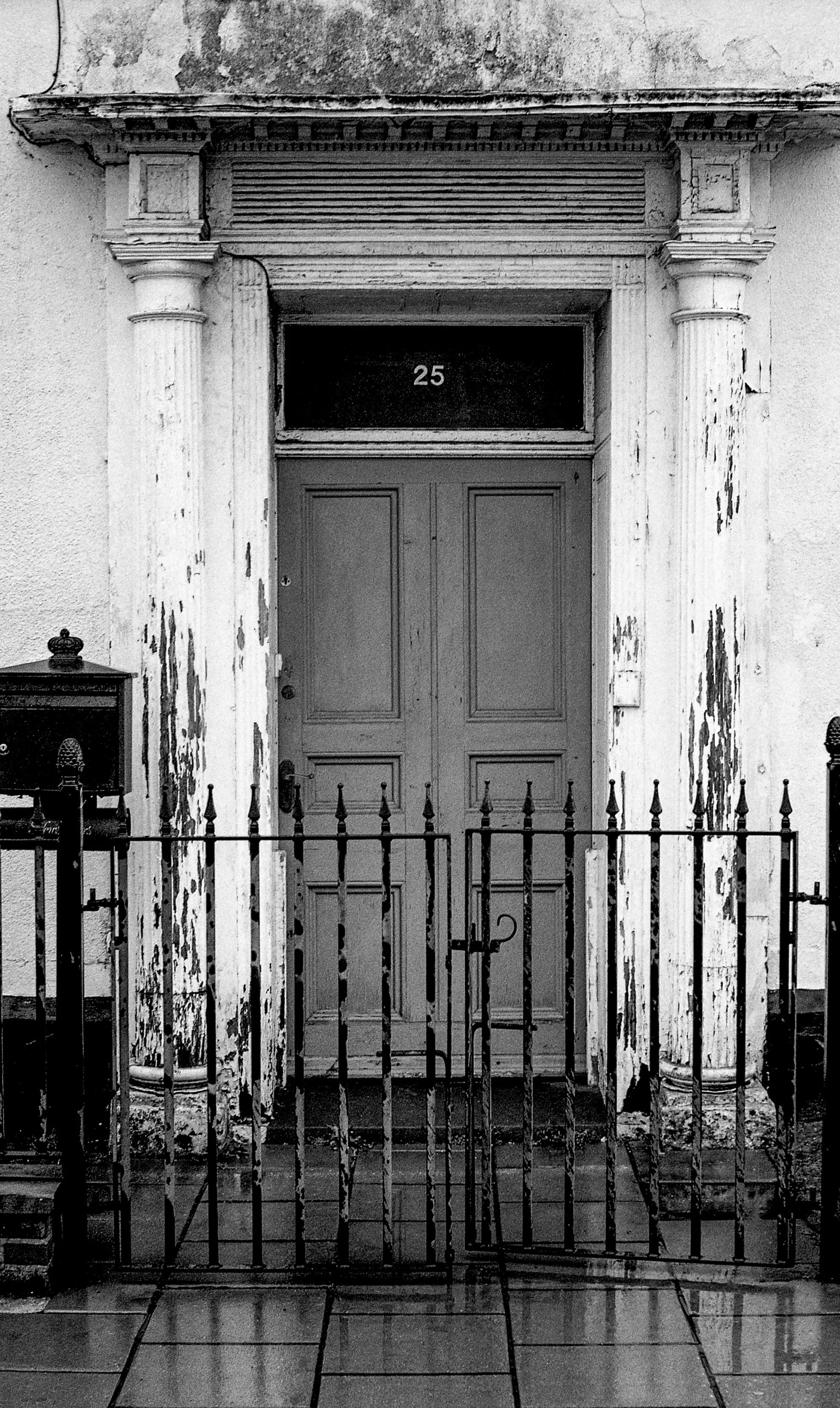
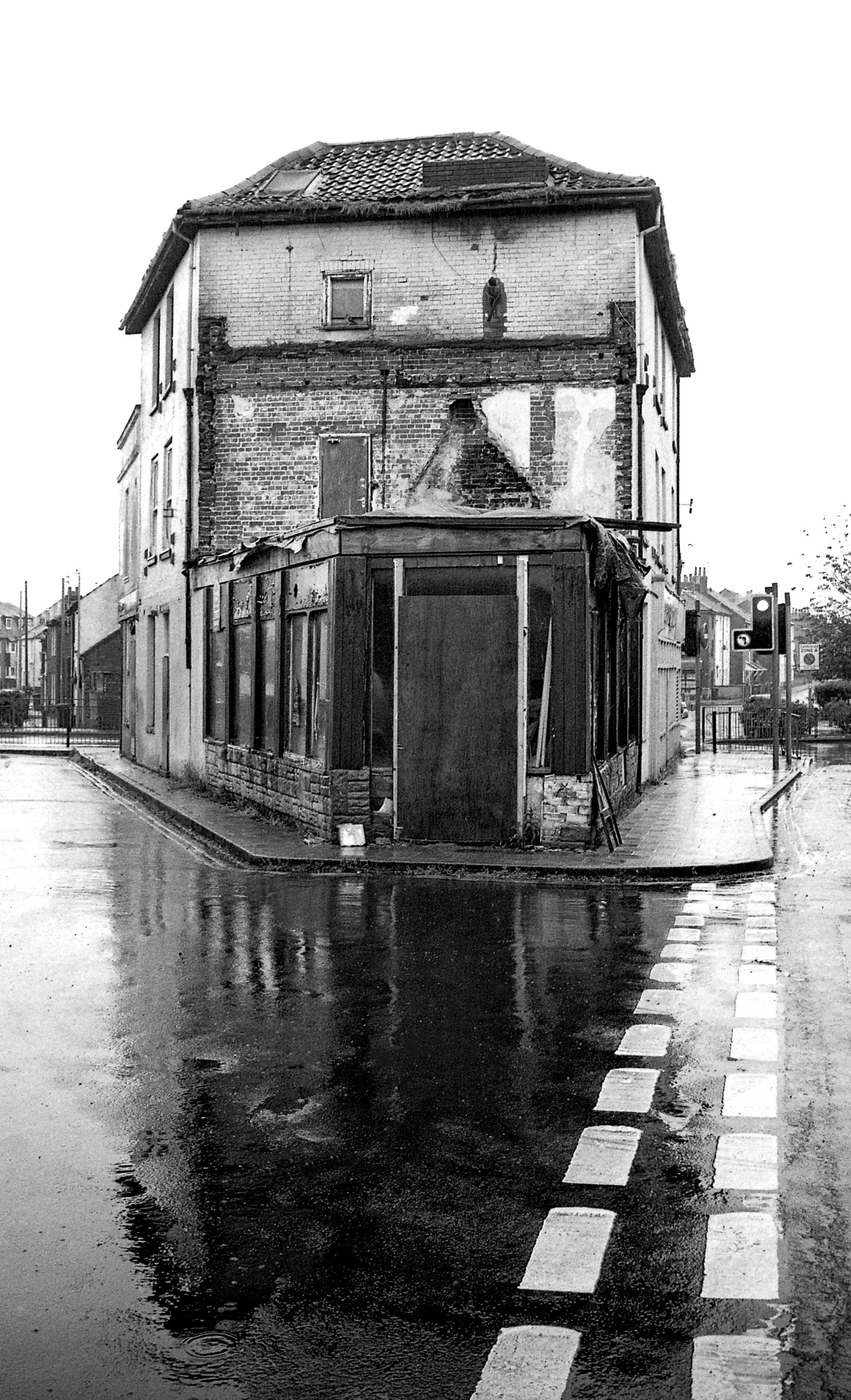
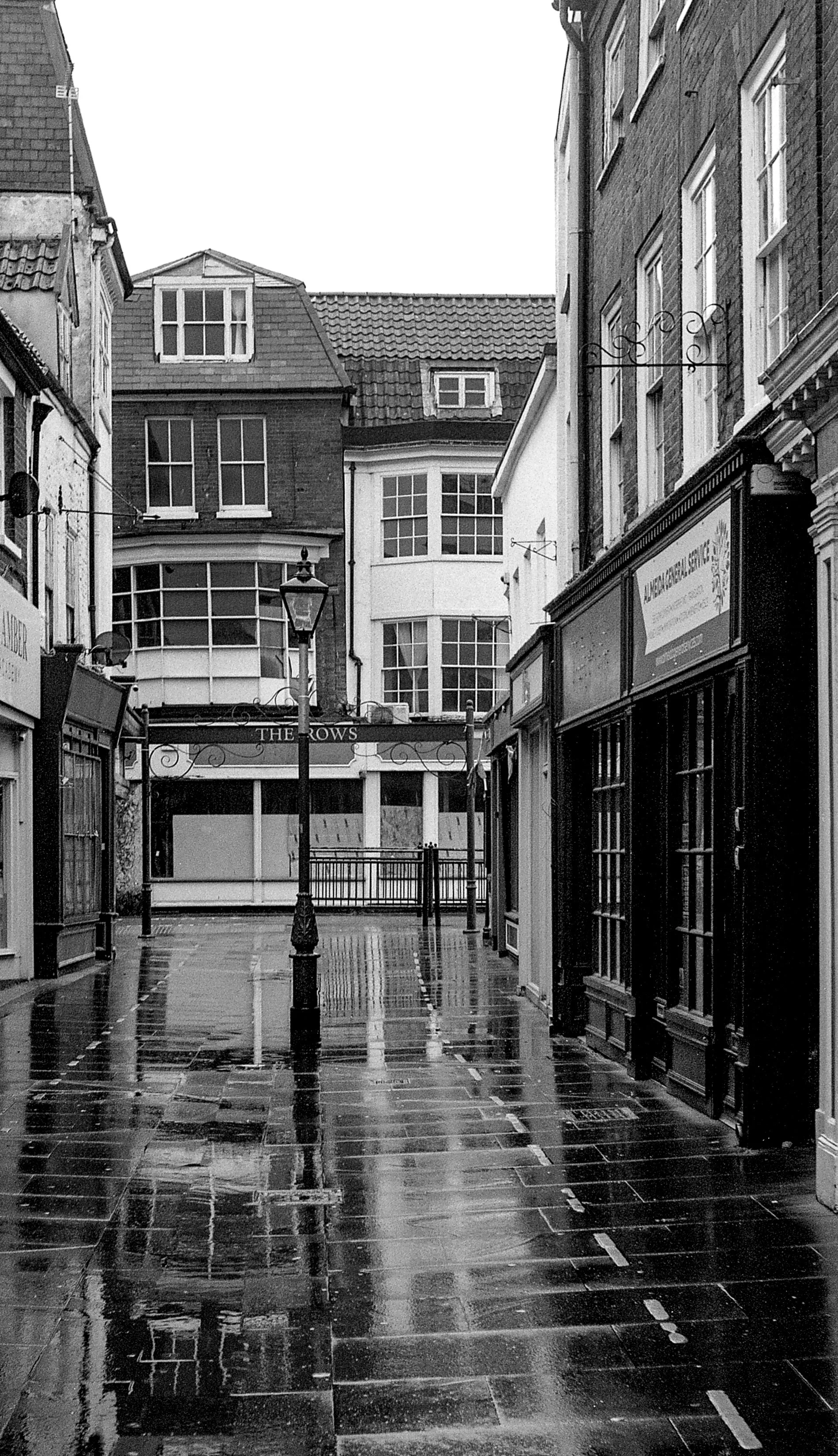
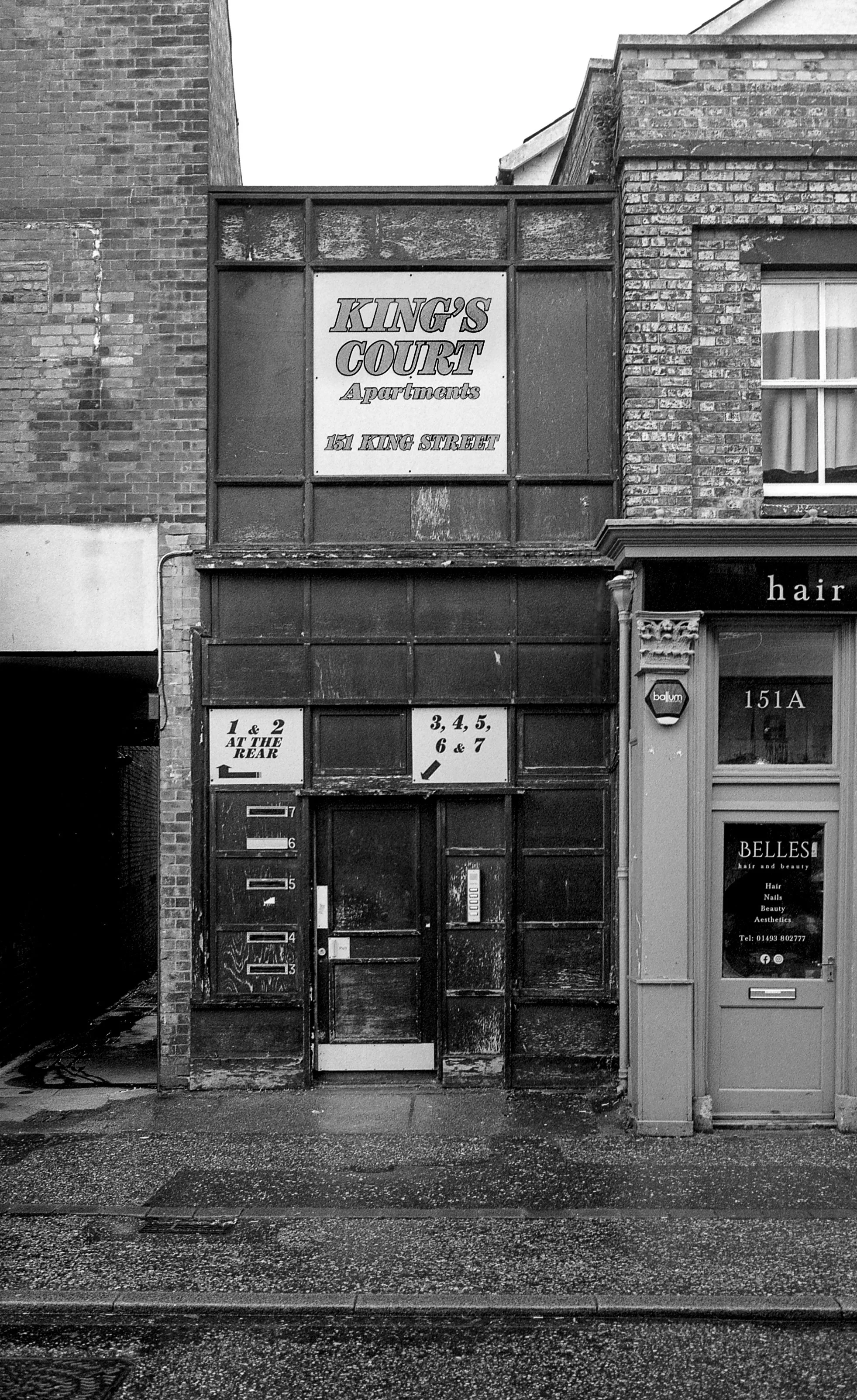
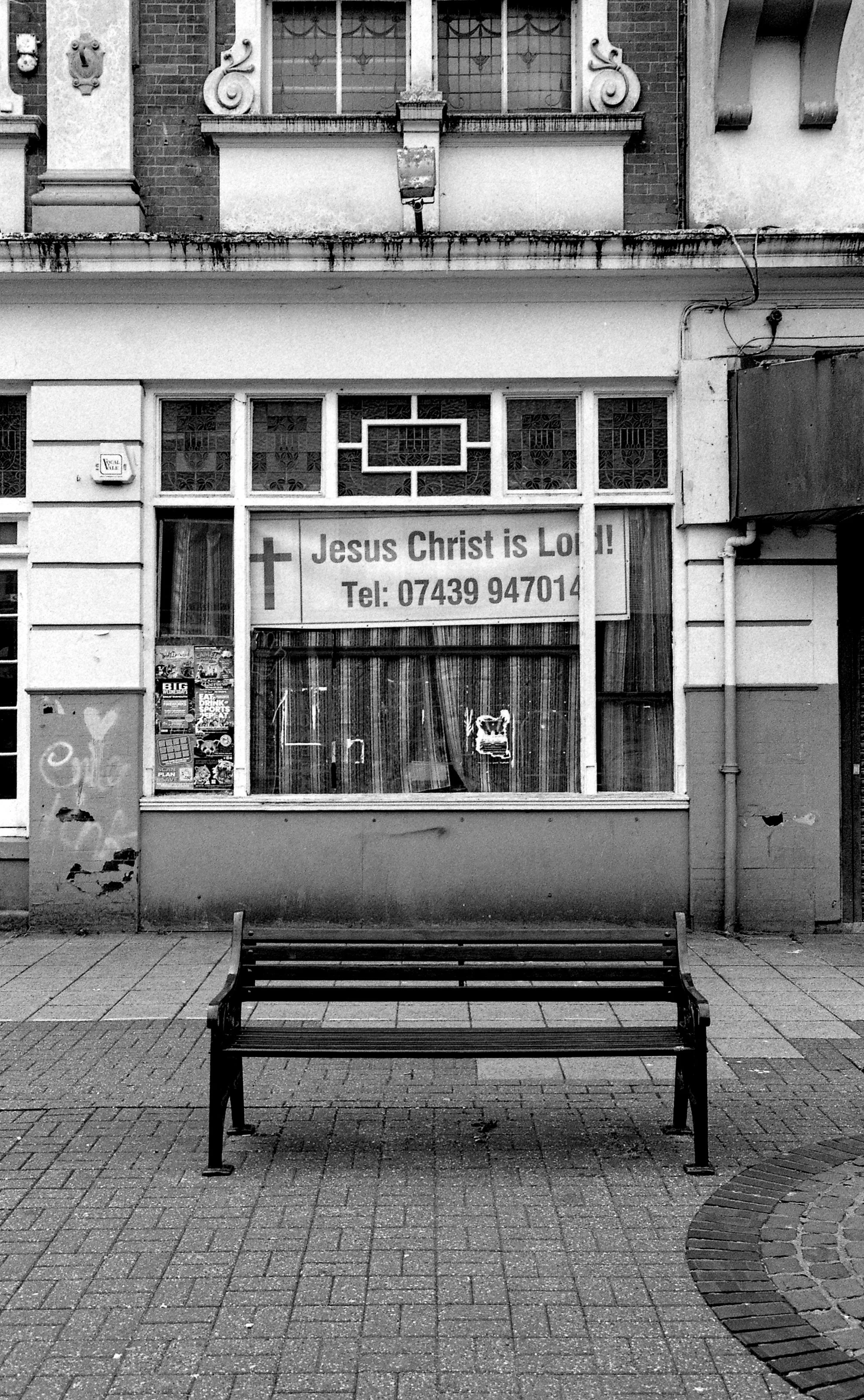
This spatialisation image sequence explores the contrasting development of neighbouring seaside towns. Just a few miles of coastline can separate very different economic ecosystems.
This divergence often arises because geographical proximity does not mean that towns inherited the same economic characteristics.
During the nineteenth and early twentieth centuries, seaside resorts deliberately targeted different markets.
Consequently, the decline in domestic tourism numbers and revenue from the 1970s onwards produced uneven social and economic outcomes.
The growth of inexpensive foreign holidays and changing travel habits particularly harmed towns with large concentrations of seasonal hotels and mass leisure and entertainment infrastructure, contributing to persistent social and economic problems.
As visitor numbers declined, redundant hotels and guest houses were often converted into low cost accommodation.
Combined with seasonal employment, weak investment and falling property values, this contributed to persistent socio-economic problems.
Neighbouring resorts with more affluent residential populations and less dependence on mass tourism were generally better placed to adapt.
Blackpool and Lytham St Annes provide a good example. Blackpool developed a large leisure-based economy serving the industrial towns of Lancashire, with boarding houses, theatres and amusement attractions.
By contrast, Lytham and St Annes developed as quieter, carefully planned destinations for wealthier visitors and residents.
Similar contrasts can be seen between Margate and Broadstairs, Ramsgate and Broadstairs, and Lowestoft and its more prosperous Suffolk neighbours, Aldeburgh and Southwold.
The image sequence connects three related conditions: how resorts were developed, the present condition of their built environments, and their socio-economic circumstances.
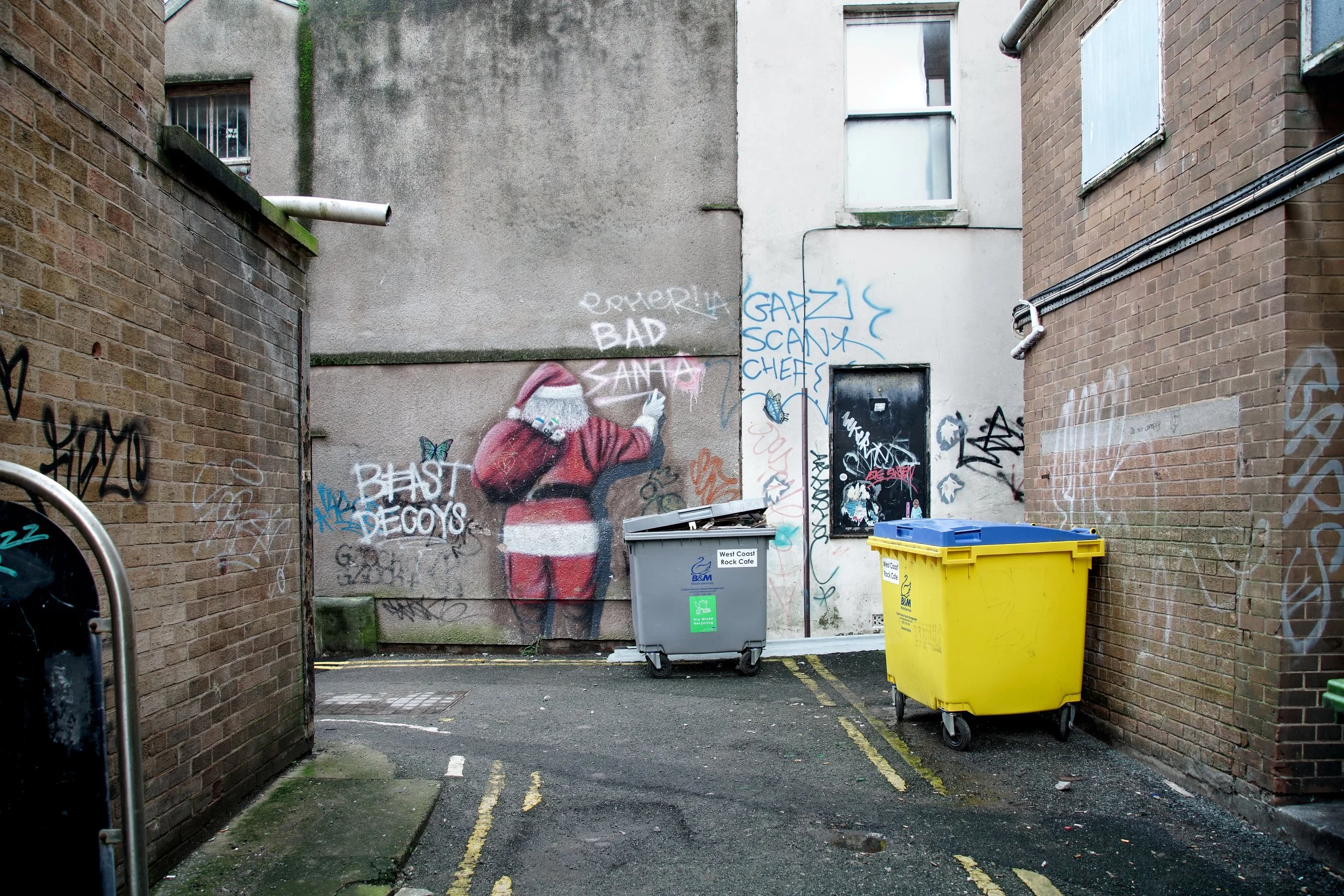
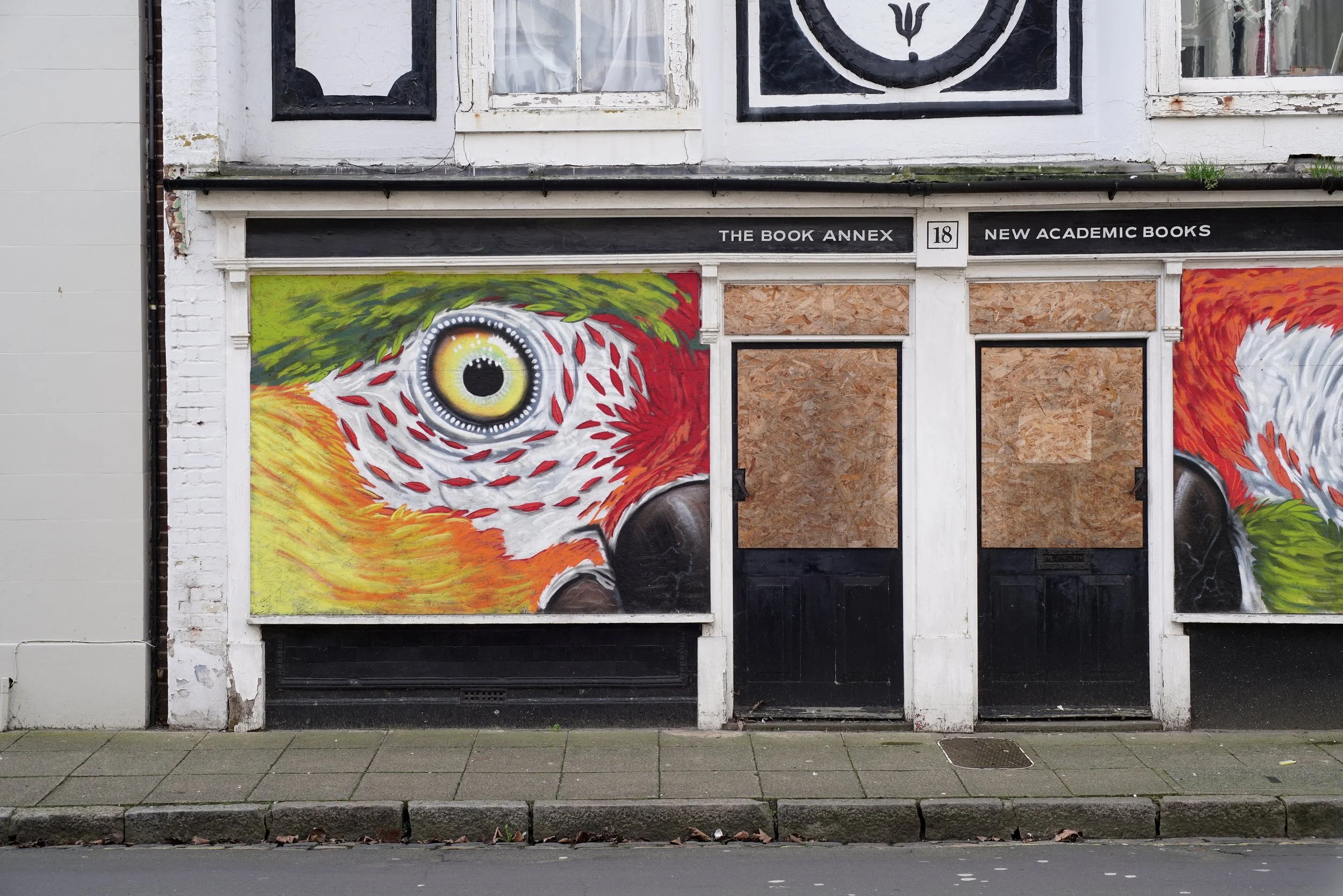
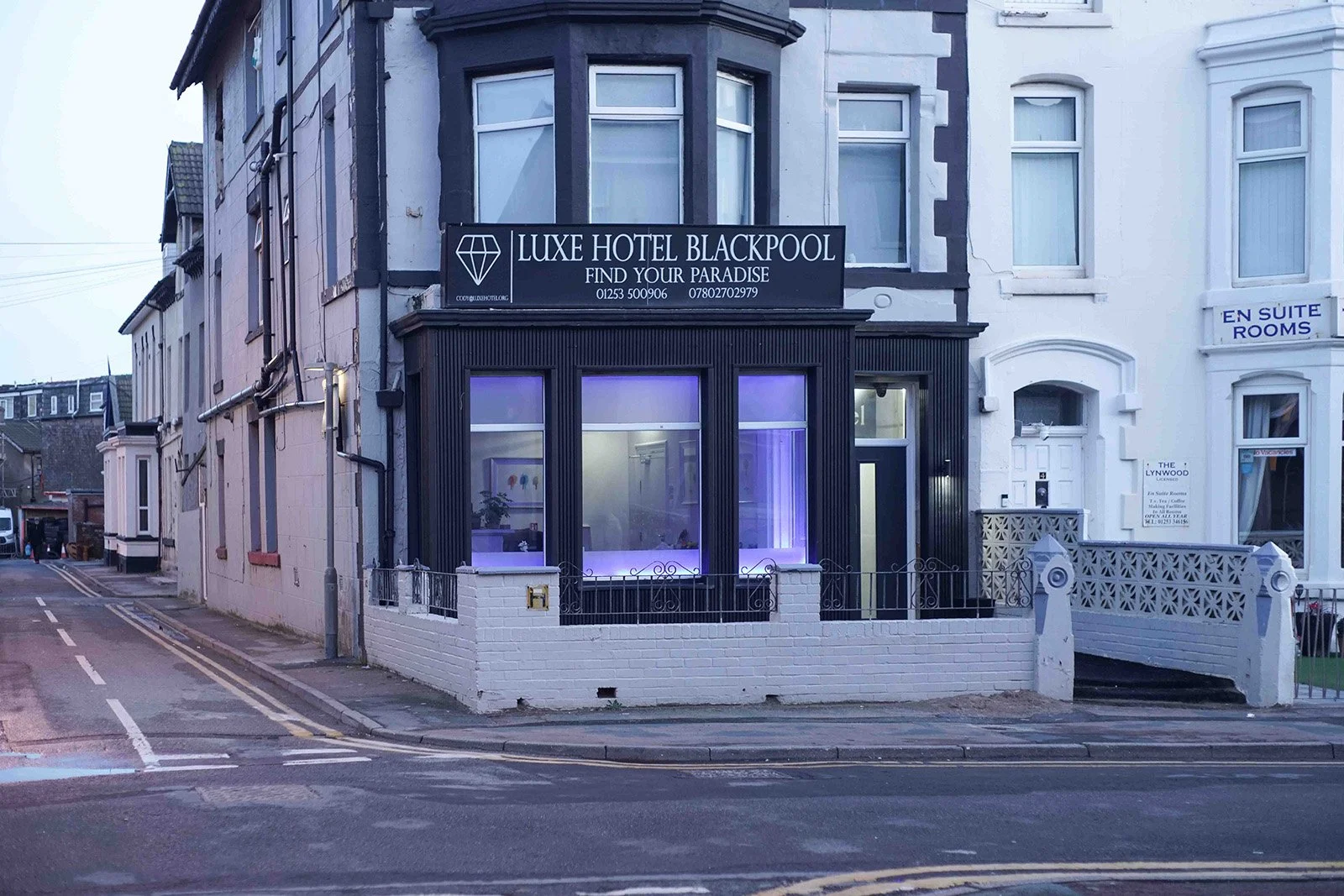
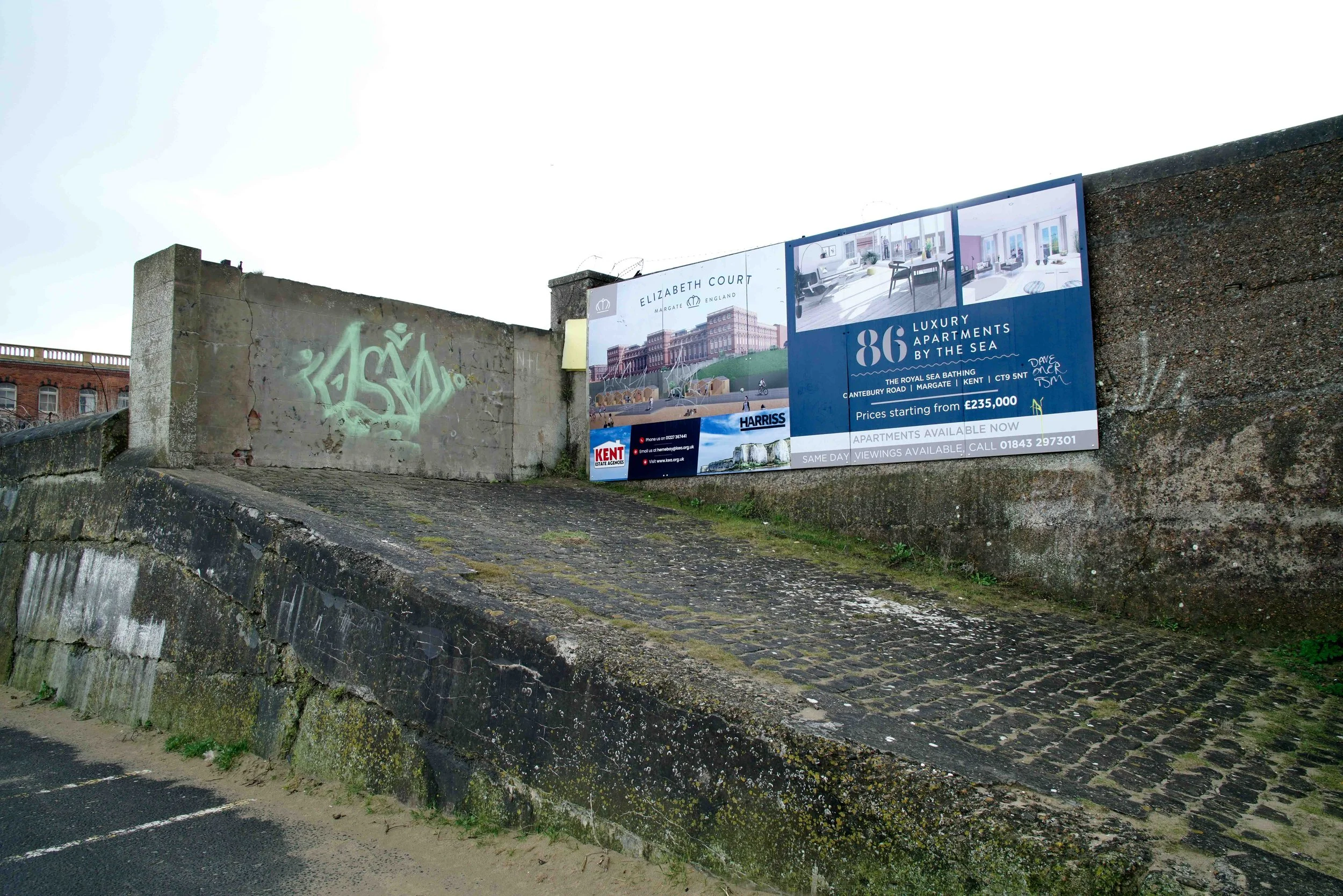
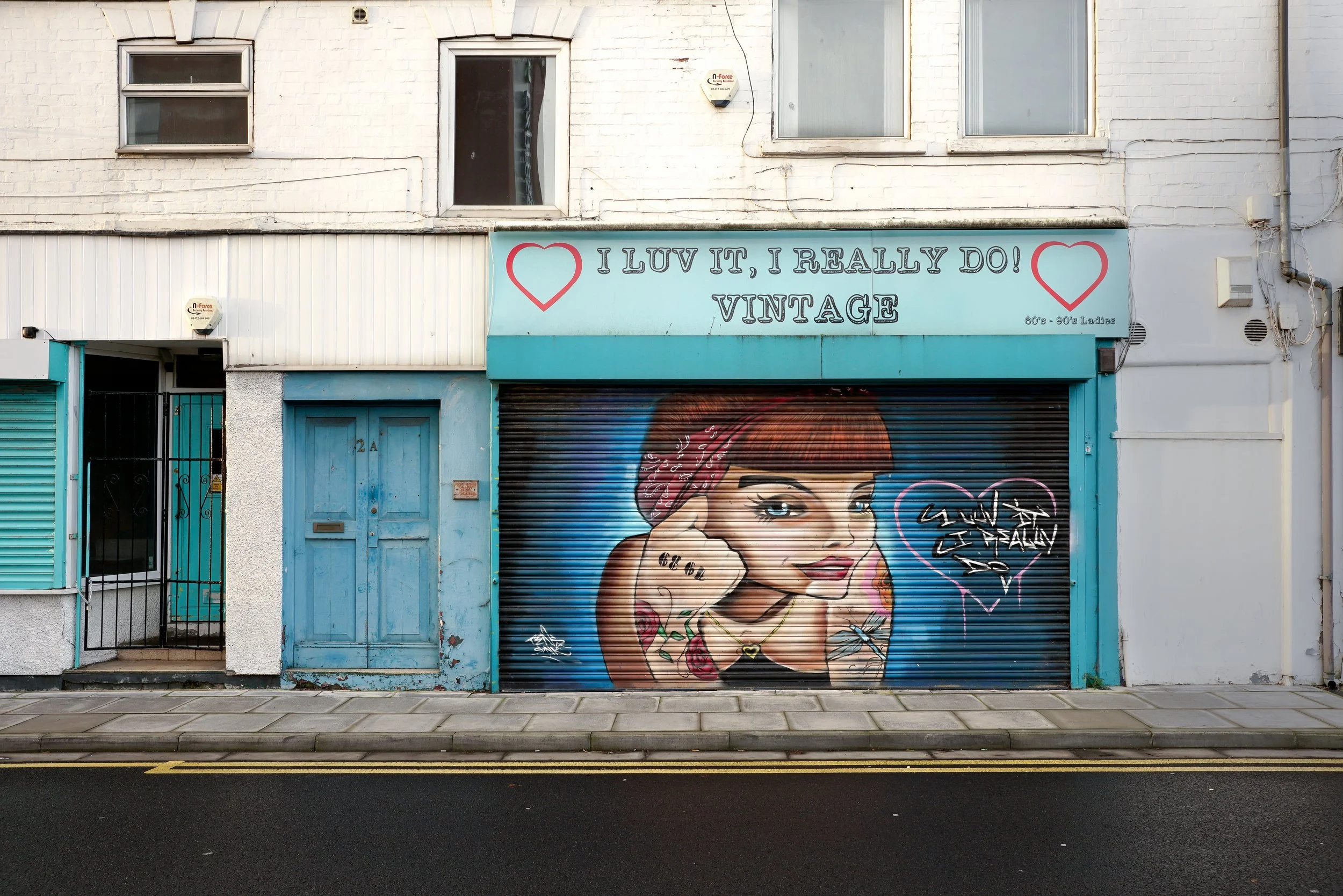
In each of seven pairings, the first photograph represents the relatively more deprived town and the second its more prosperous neighbour.
Together, the images use physical condition, vacancy and the condition of public spaces to visualise different economic histories and current socio-economic circumstances.
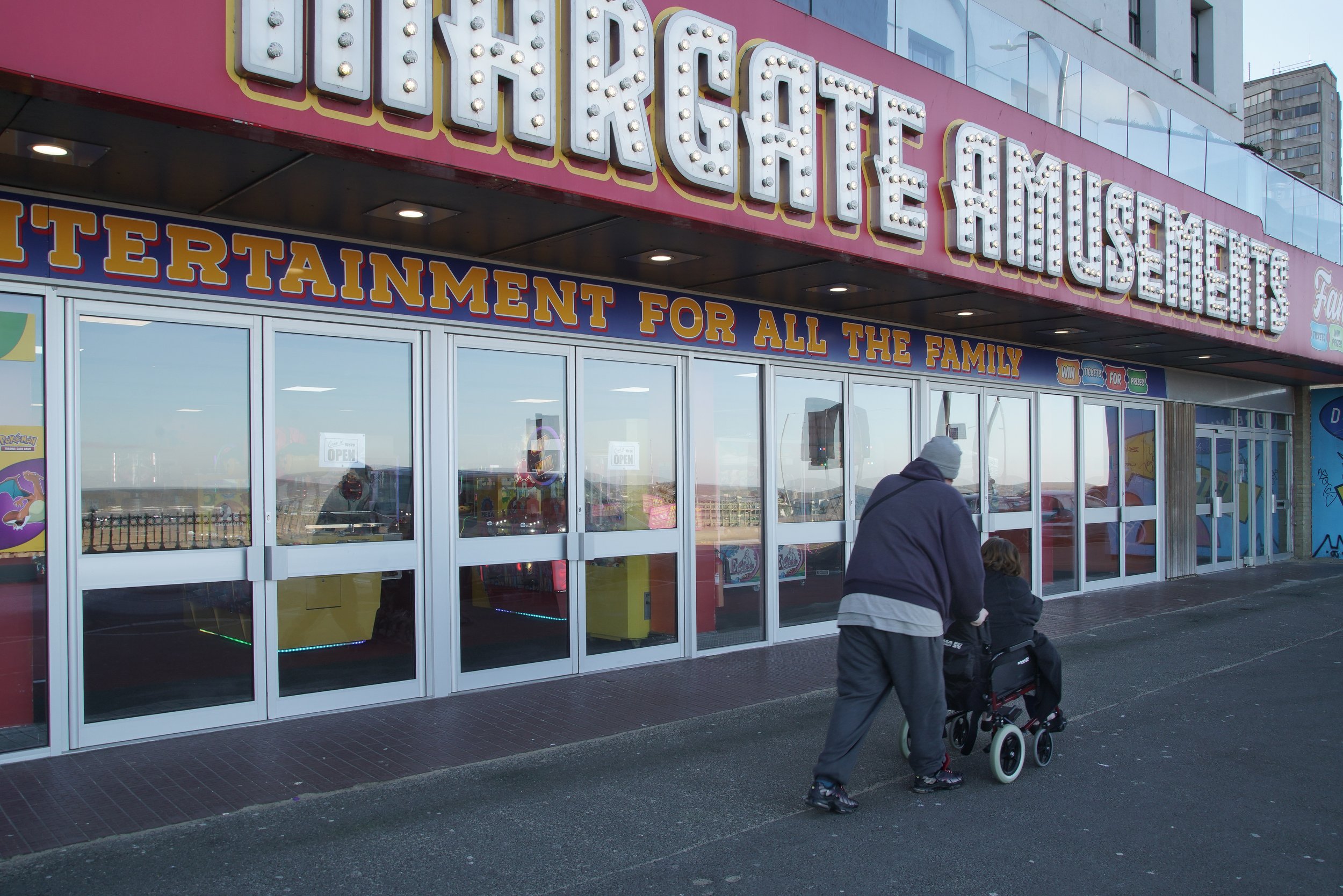
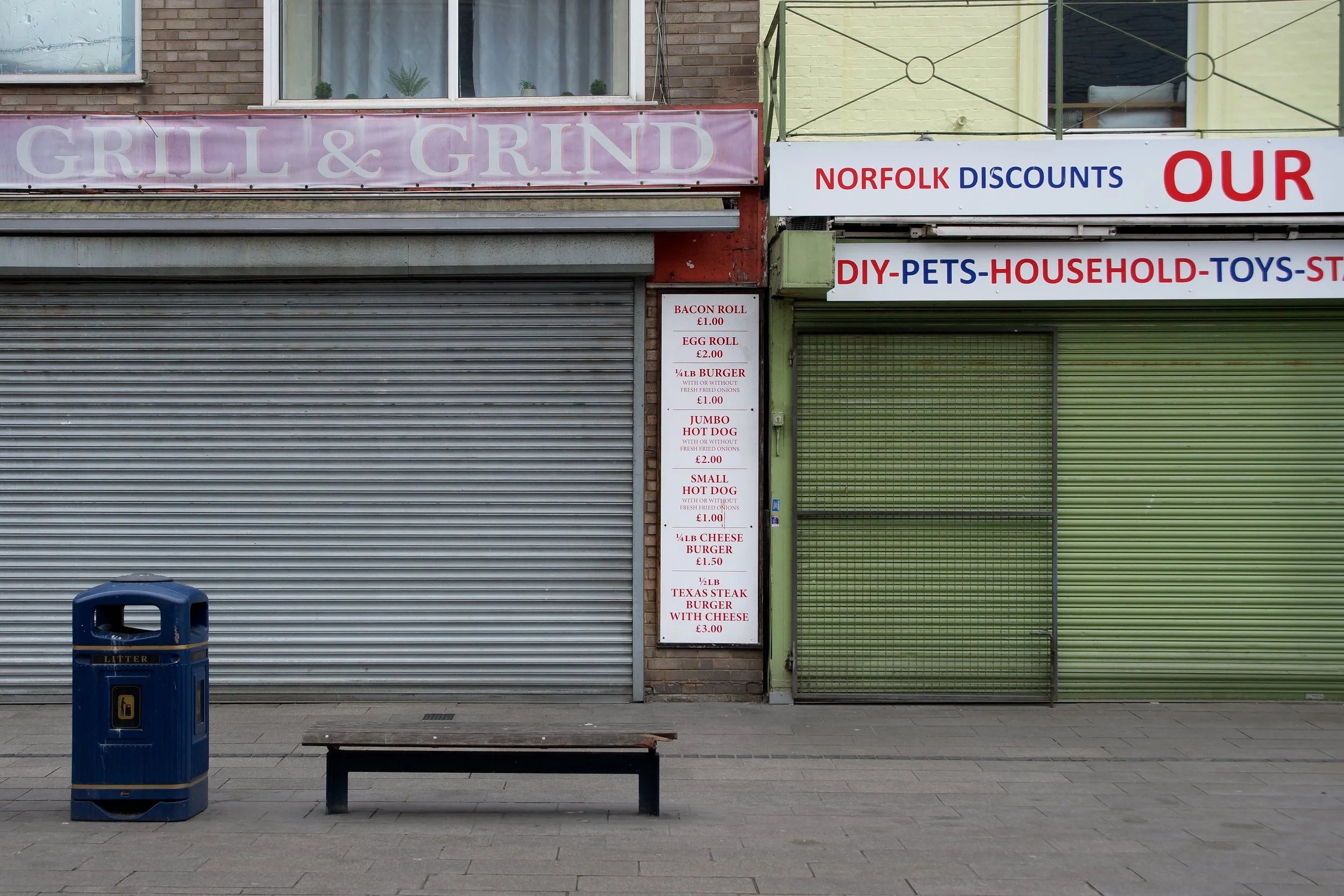
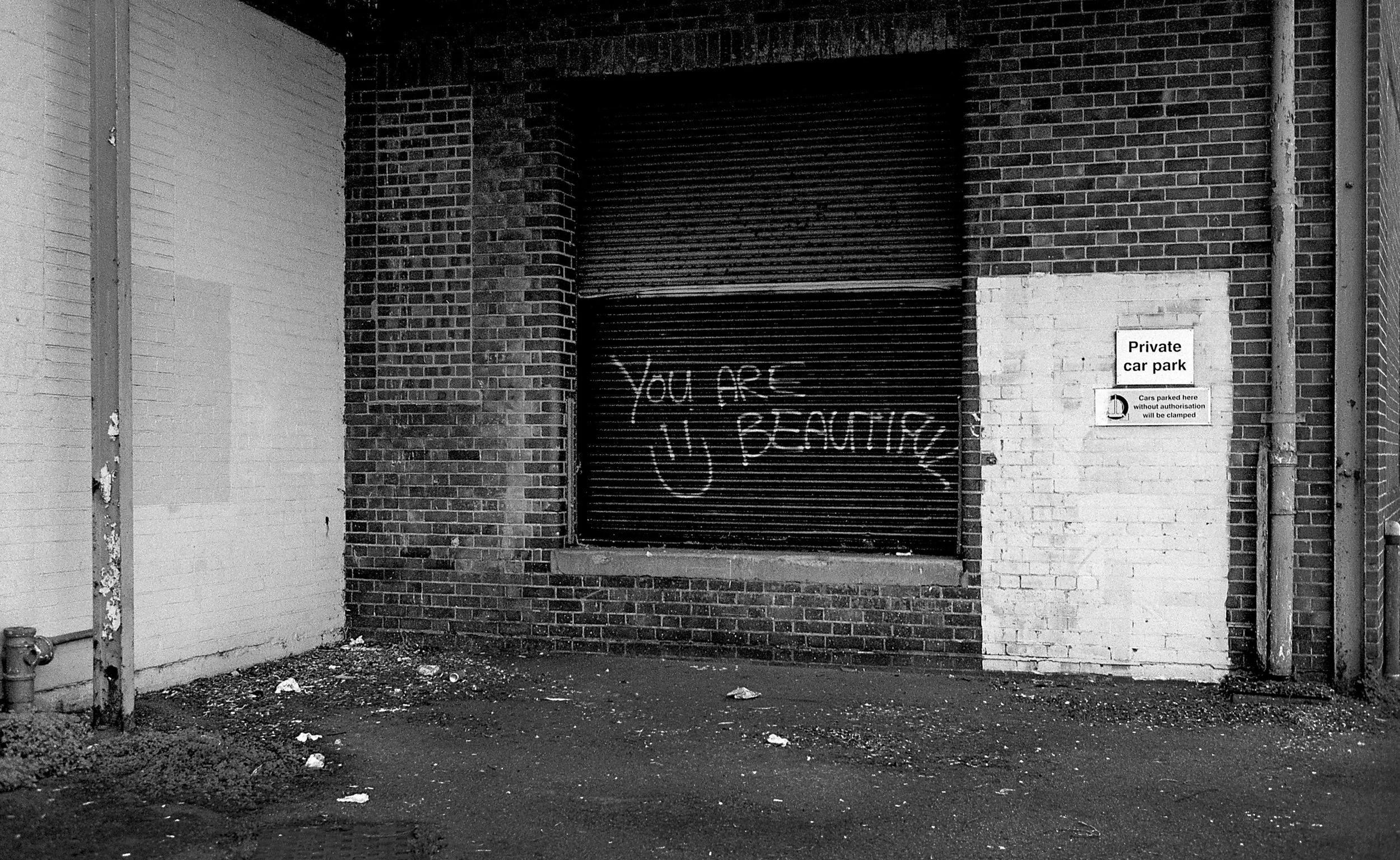
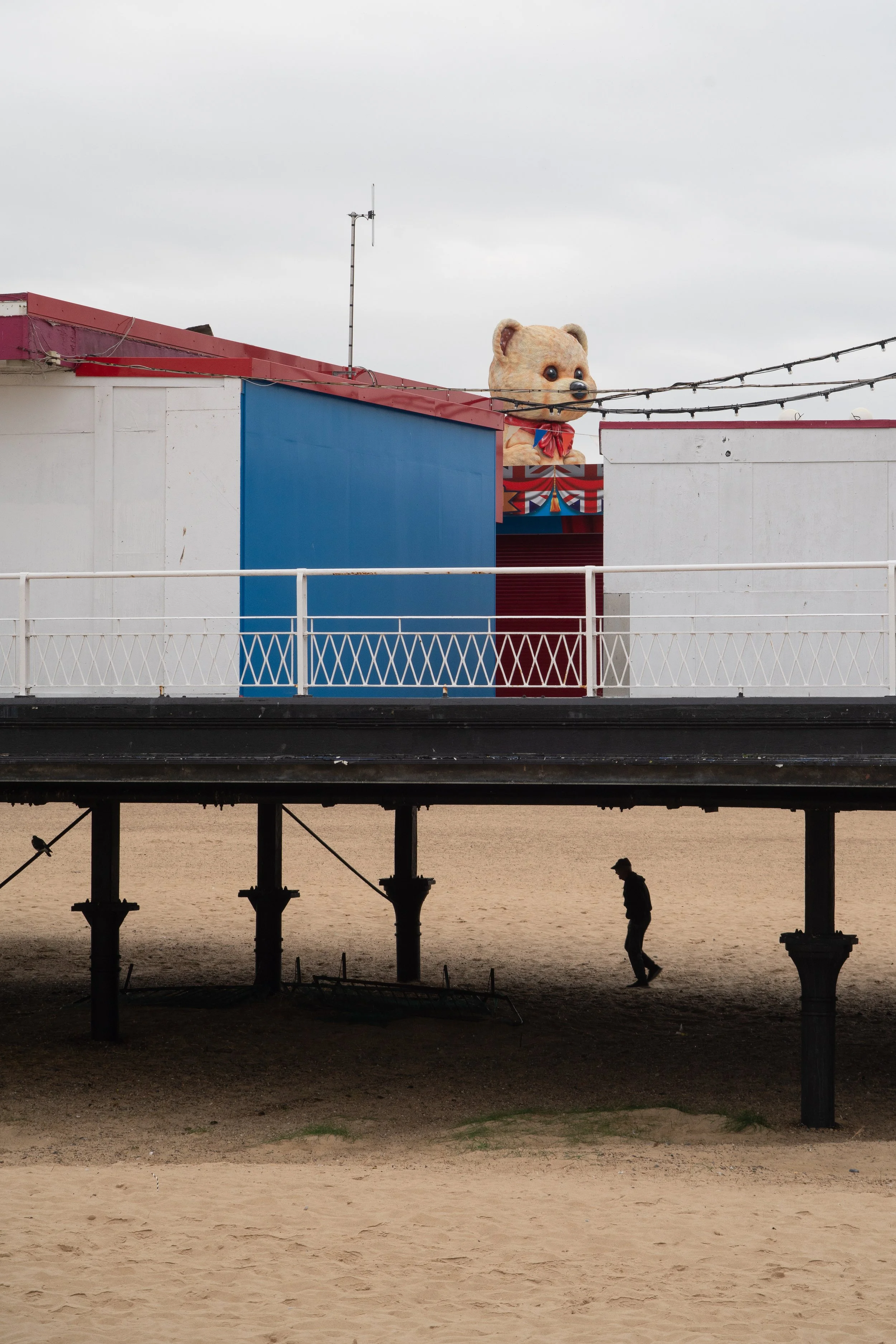
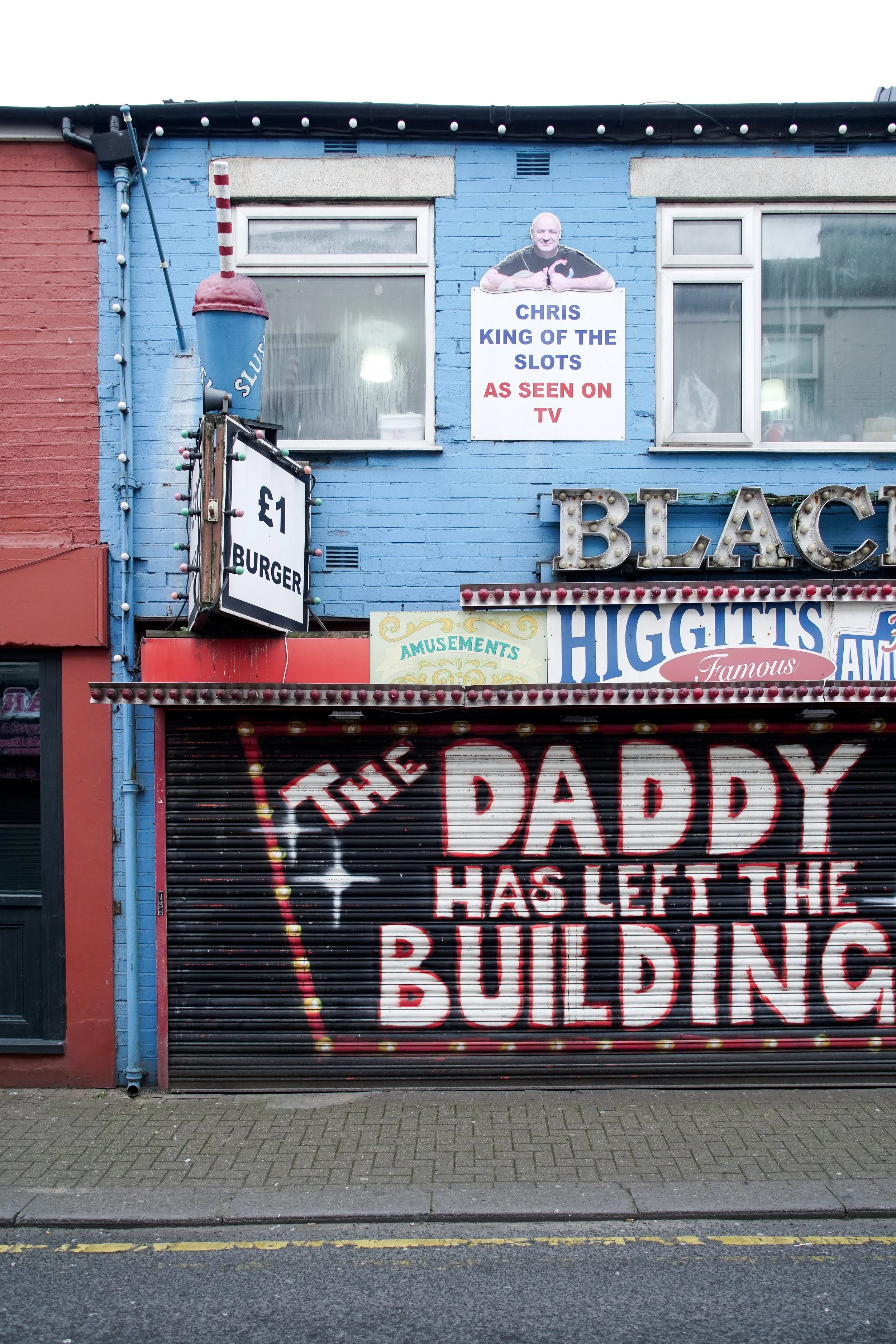
The first pair contrasts Blackpool with Lytham St Annes. Blackpool is represented by a brightly painted amusement building advertising slot machines and a £1 burger (IMD 3).
Its crowded lettering and slogan painted across a shutter evoke inexpensive entertainment and the struggle to attract passing trade.
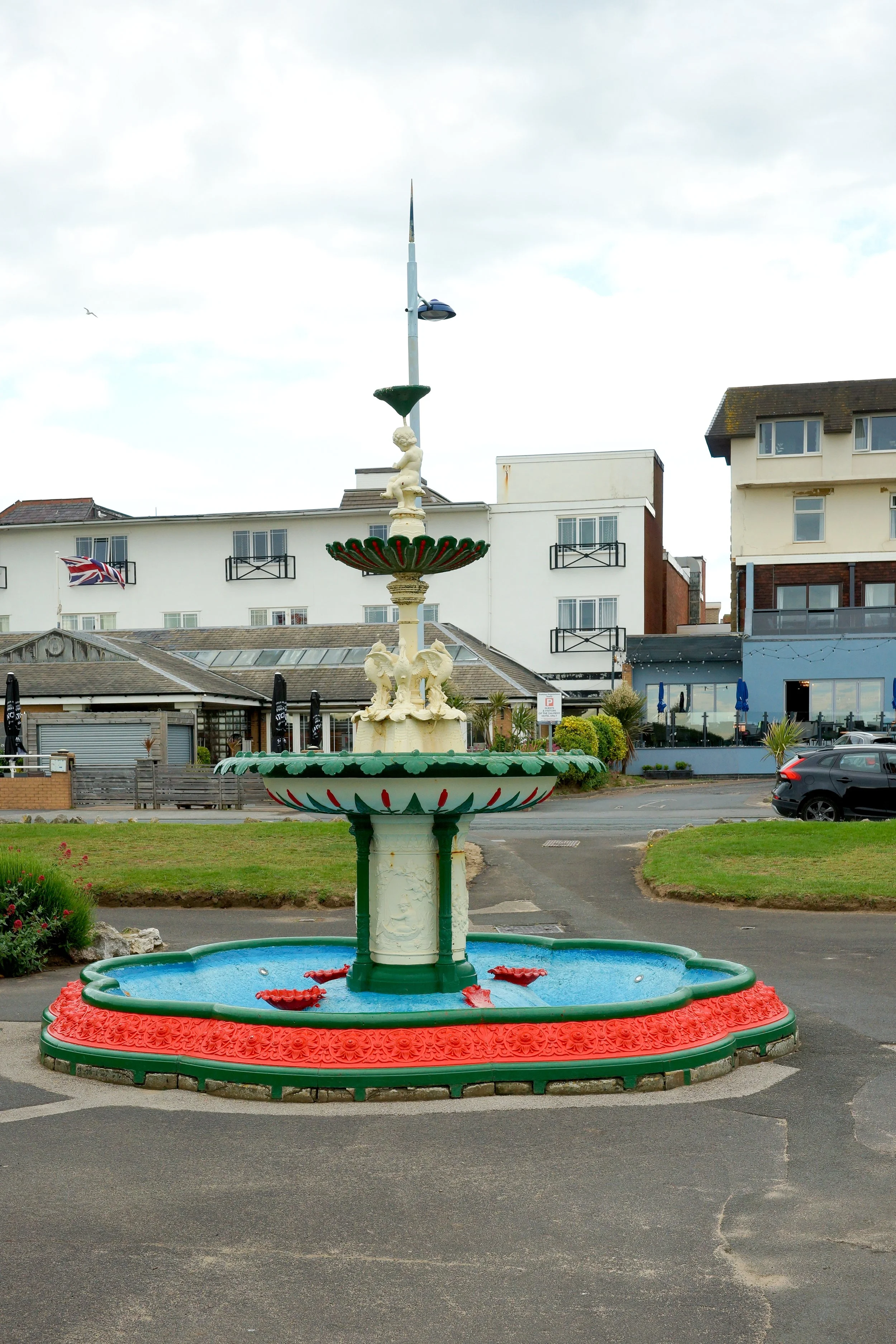
In Lytham St Annes, an ornamental fountain occupies a planted public space (IMD 10726). Its condition, open setting and civic function suggest continuity and active maintenance rather than the pressure to generate income.
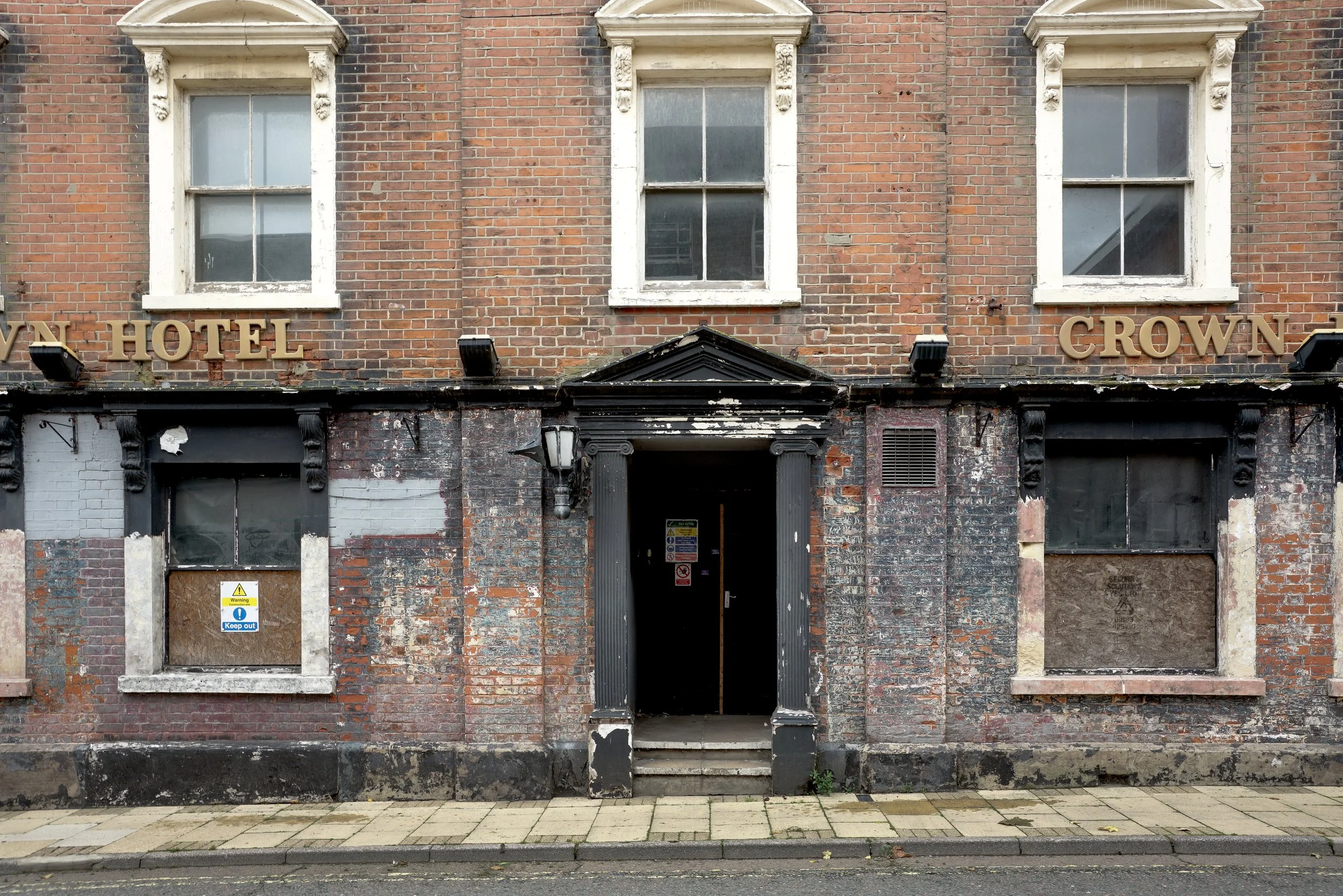
The second pair moves from Lowestoft Old Town to Aldeburgh. Lowestoft’s Crown Hotel (IMD 219) retains the scale and ornamentation of a substantial historic building yet has long been closed and boarded up.
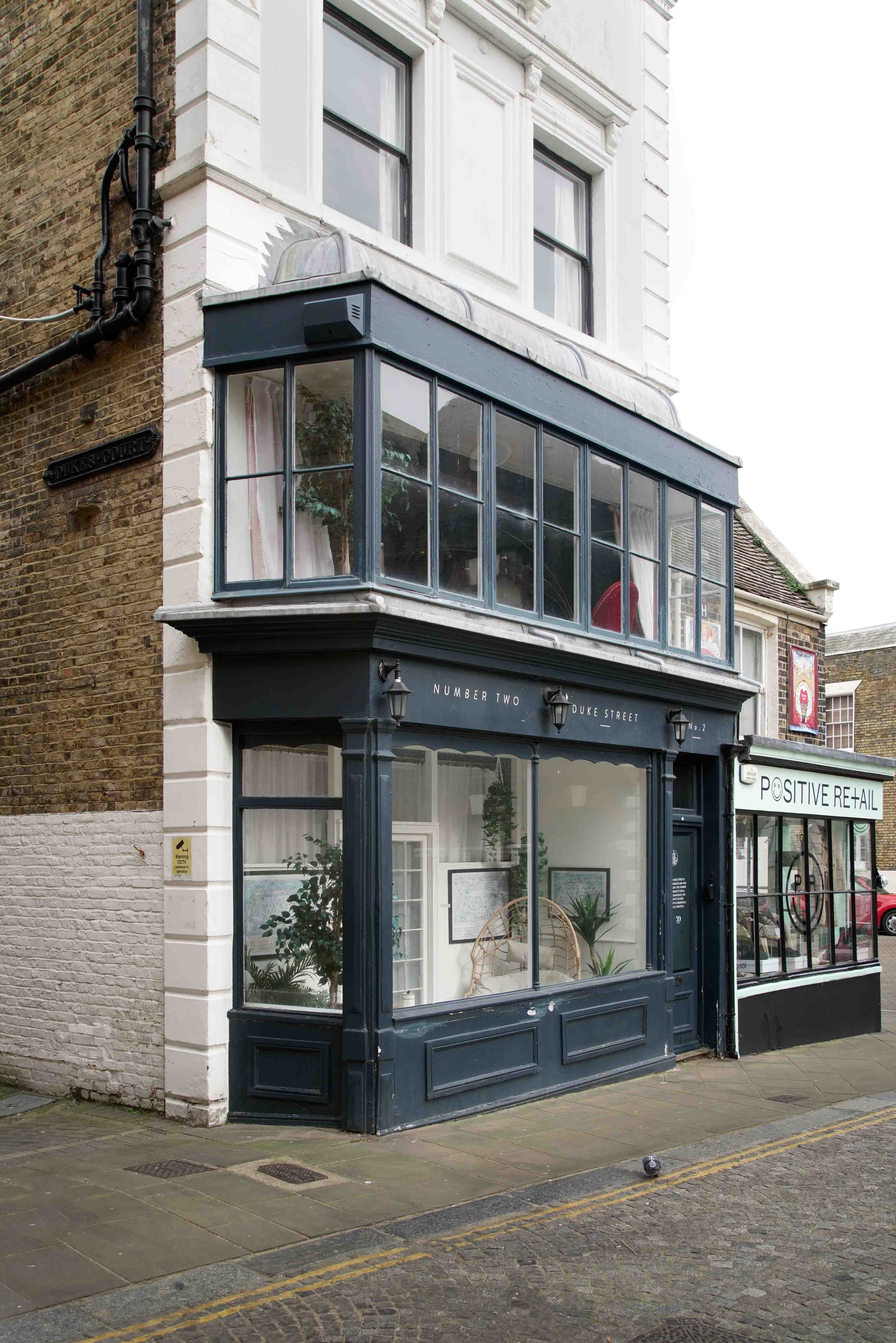
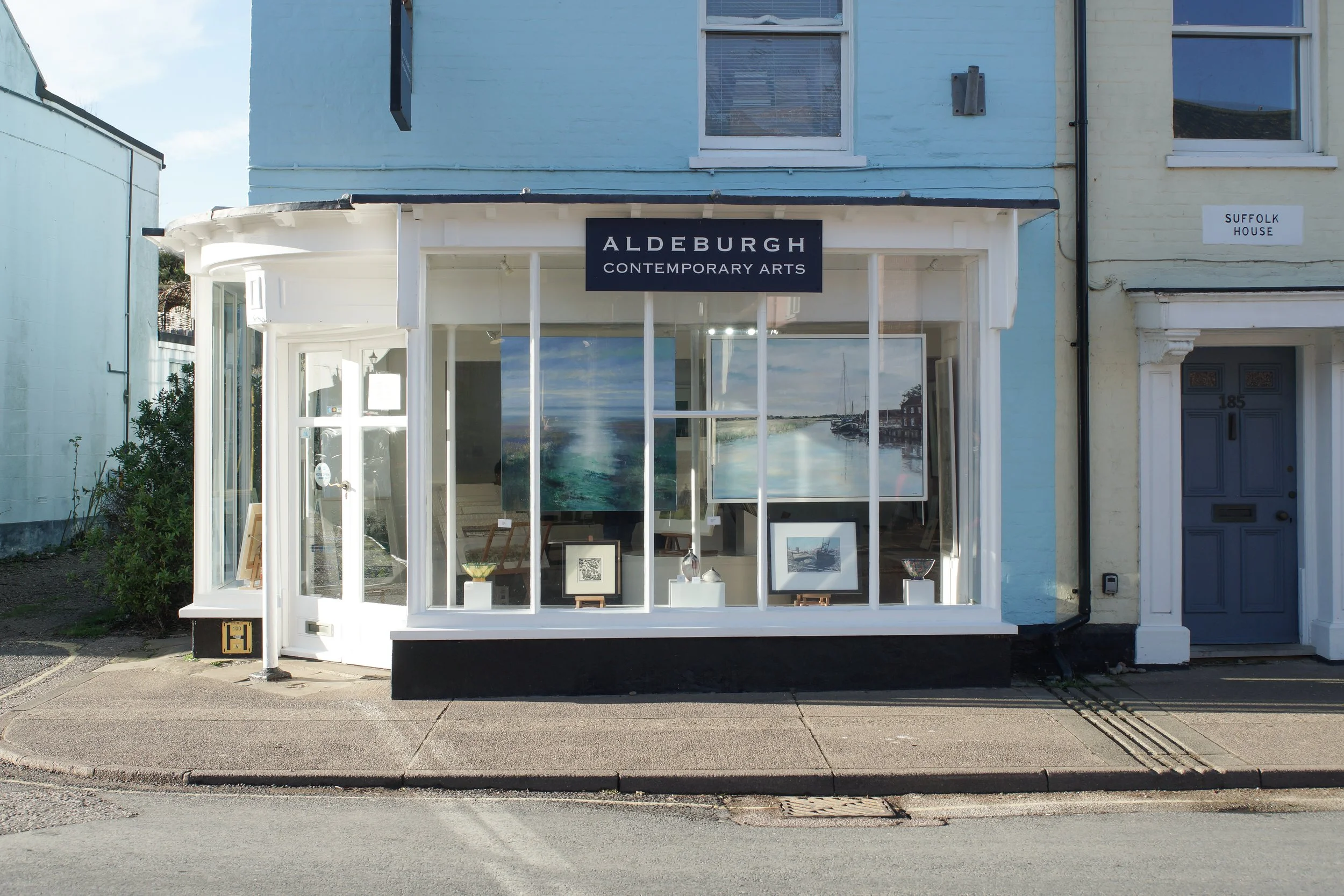
In Aldeburgh, a commercial art gallery (IMD 17351) presents a clean facade and carefully arranged window display.
Its traditional frontage and curated display convert historic character into an upmarket retail attraction.
The contrast is between heritage as a costly liability and heritage successfully marketed as a retail asset.
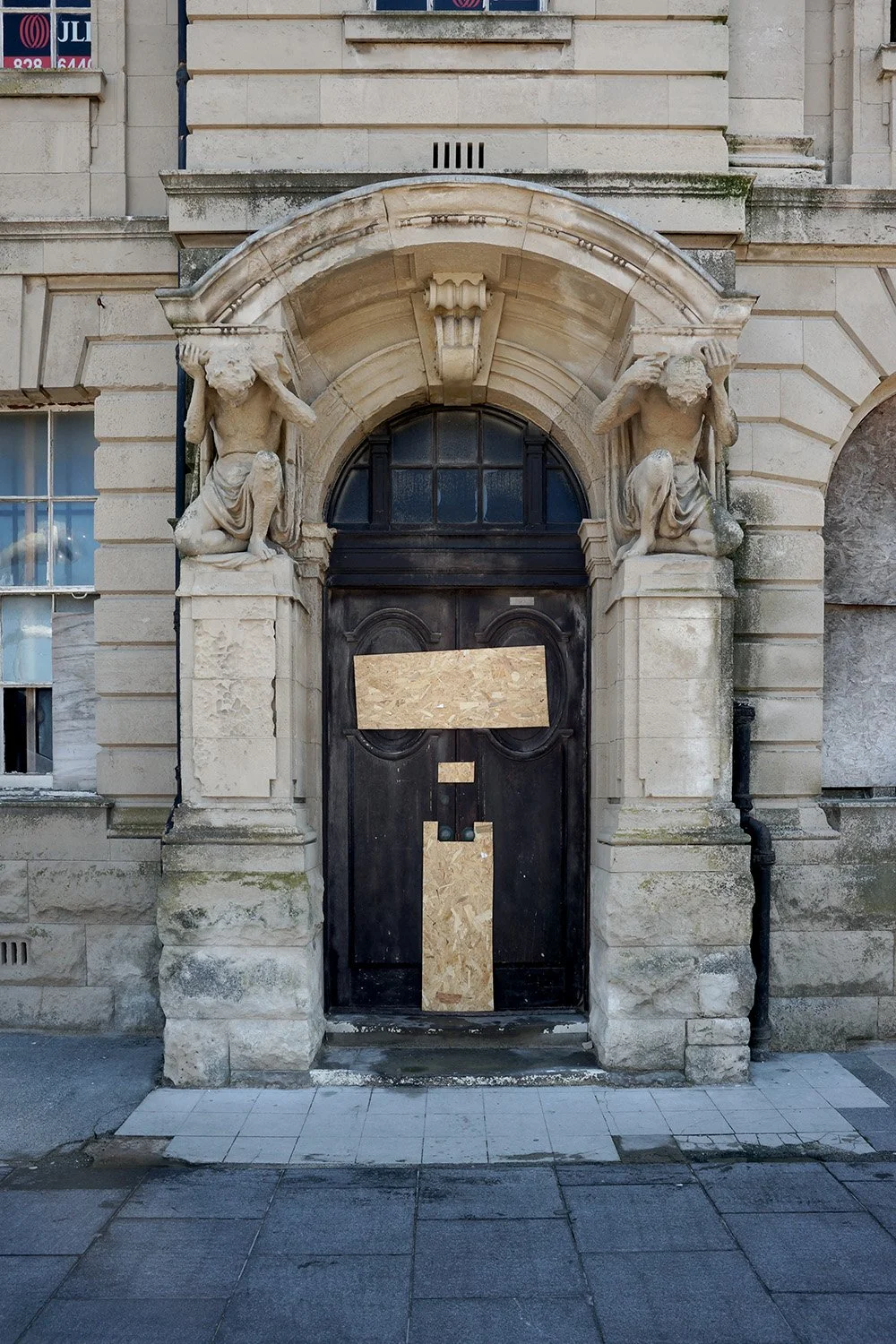
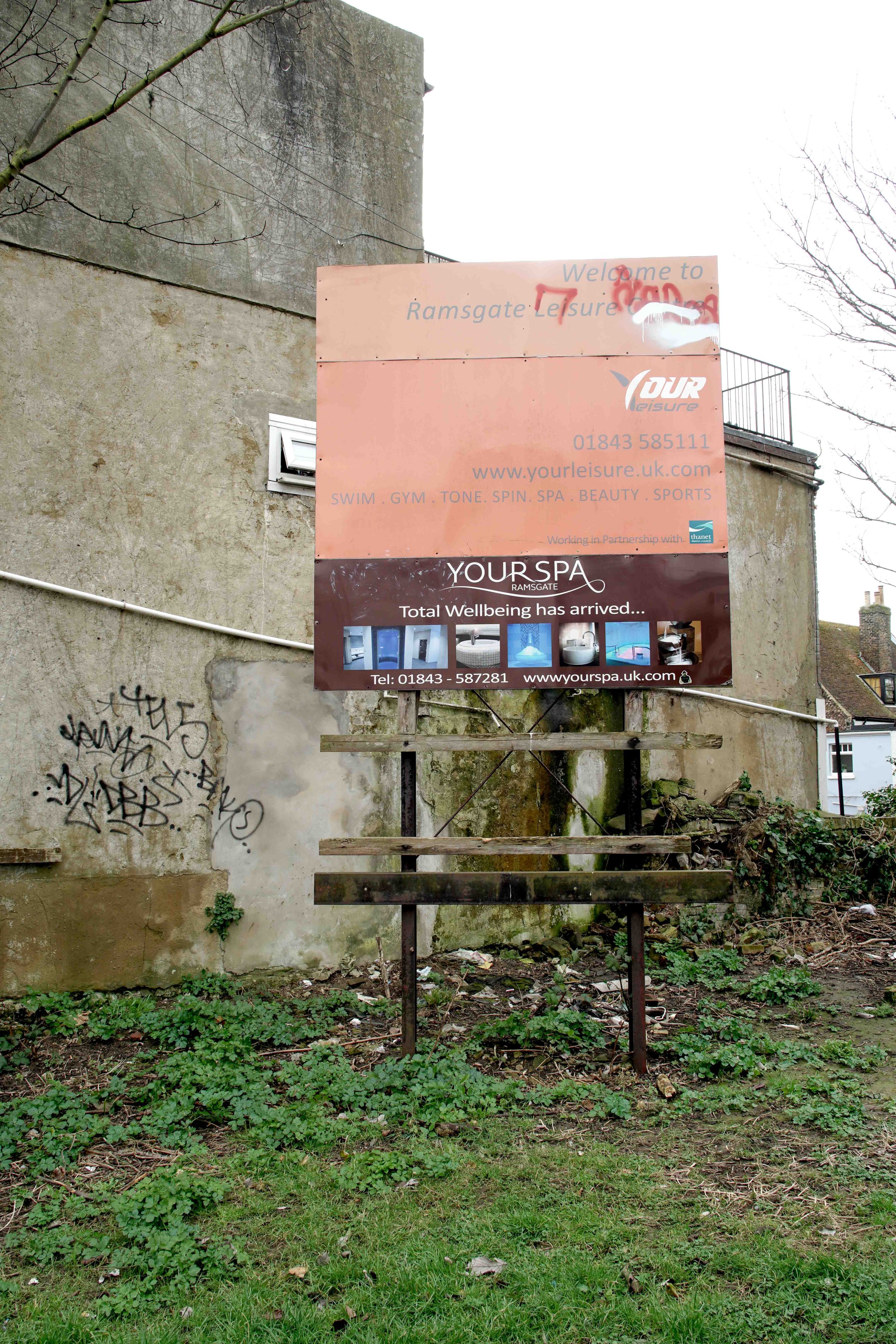
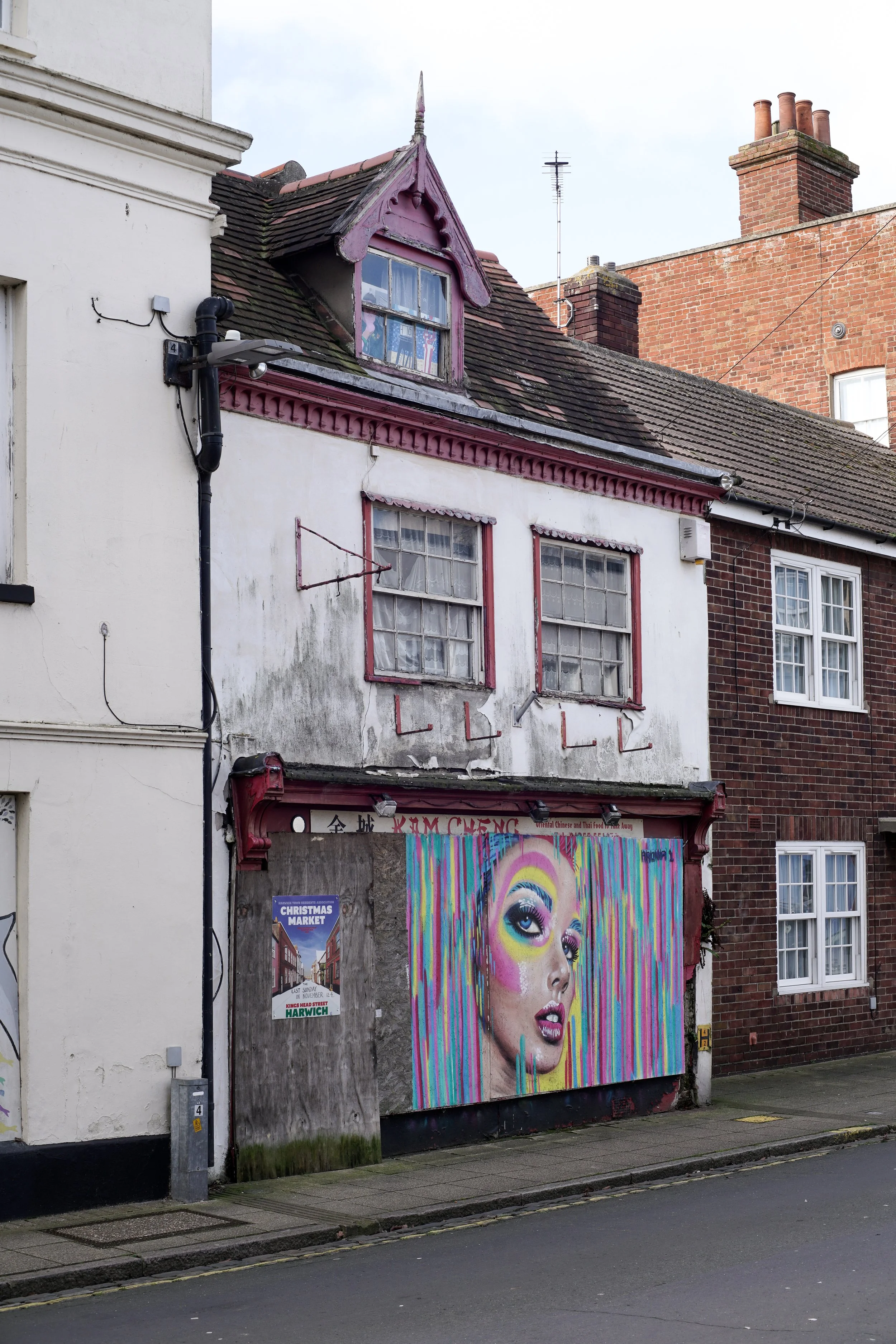
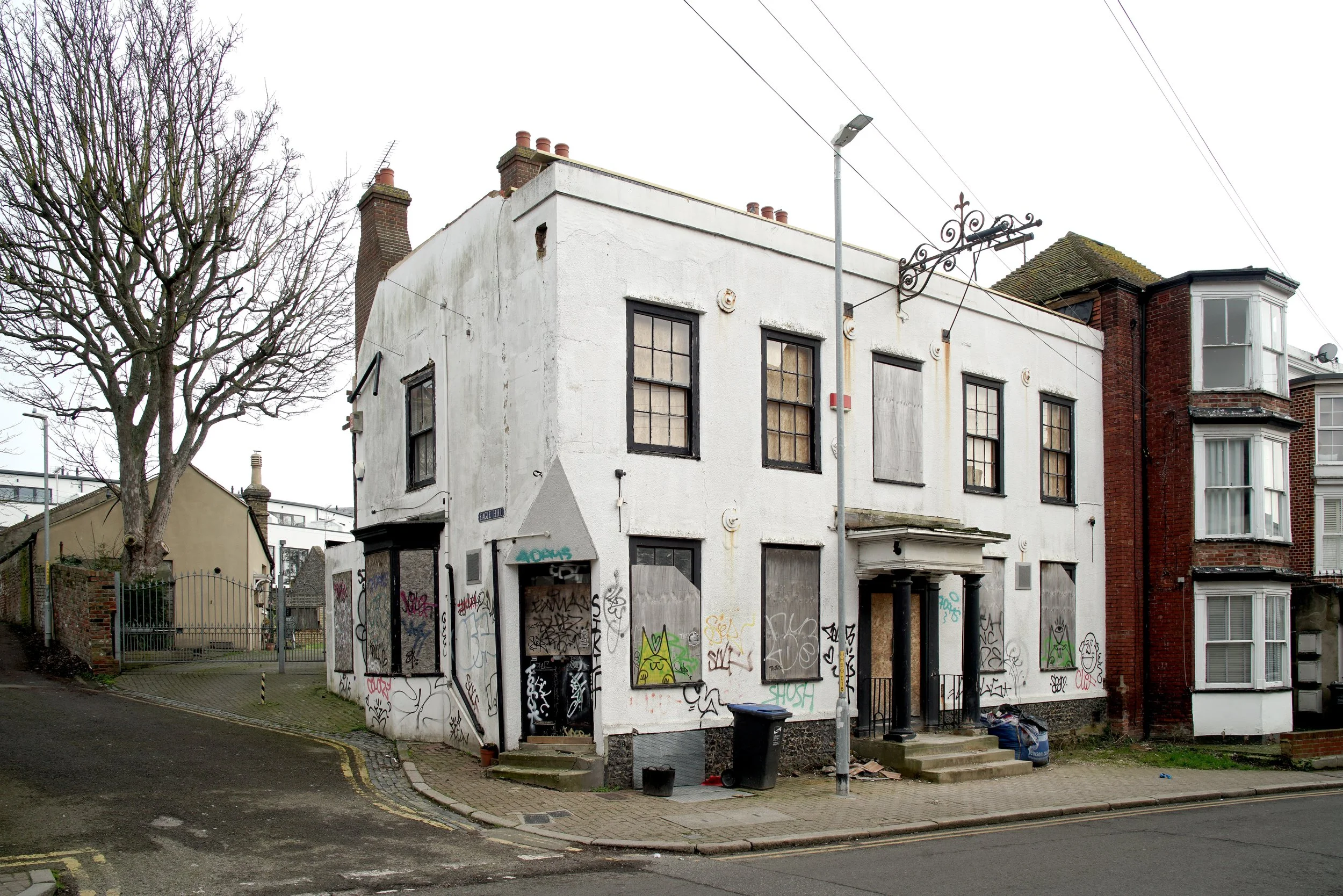
Ramsgate Old Town and Broadstairs form the third pairing. The Ramsgate building (IMD 2862), a former public house, has elegant proportions and surviving columns, but boarded openings, graffiti and weathered surfaces suggest prolonged vacancy.
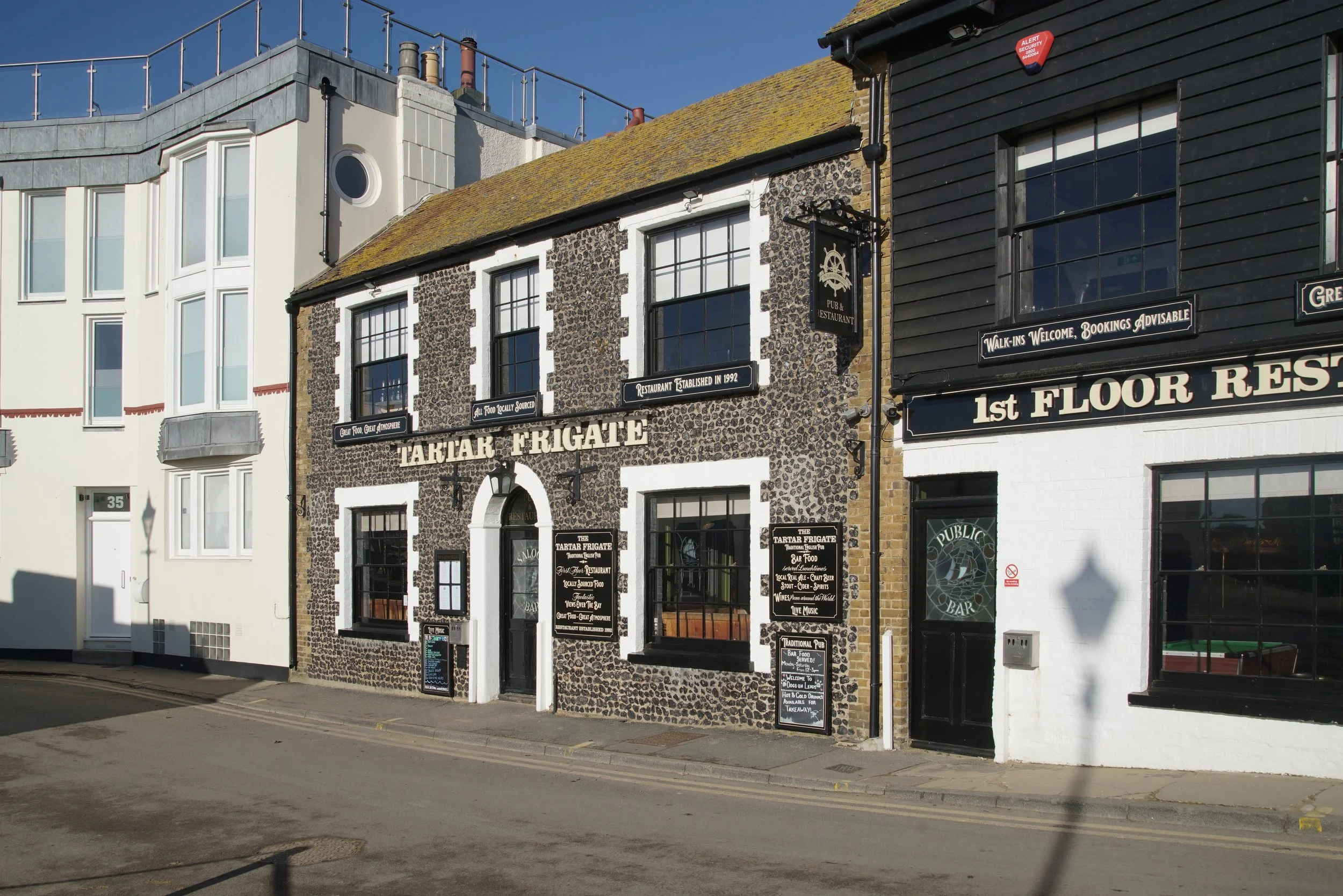
In neighbouring Broadstairs (IMD 9637), the Tartar Frigate’s flint facade, sash windows and traditional signage are actively maintained. Its maritime identity is packaged as a gastro pub experience.
Both photographs show historic fabric; one records permanent closure while the other shows heritage supporting an operating business.
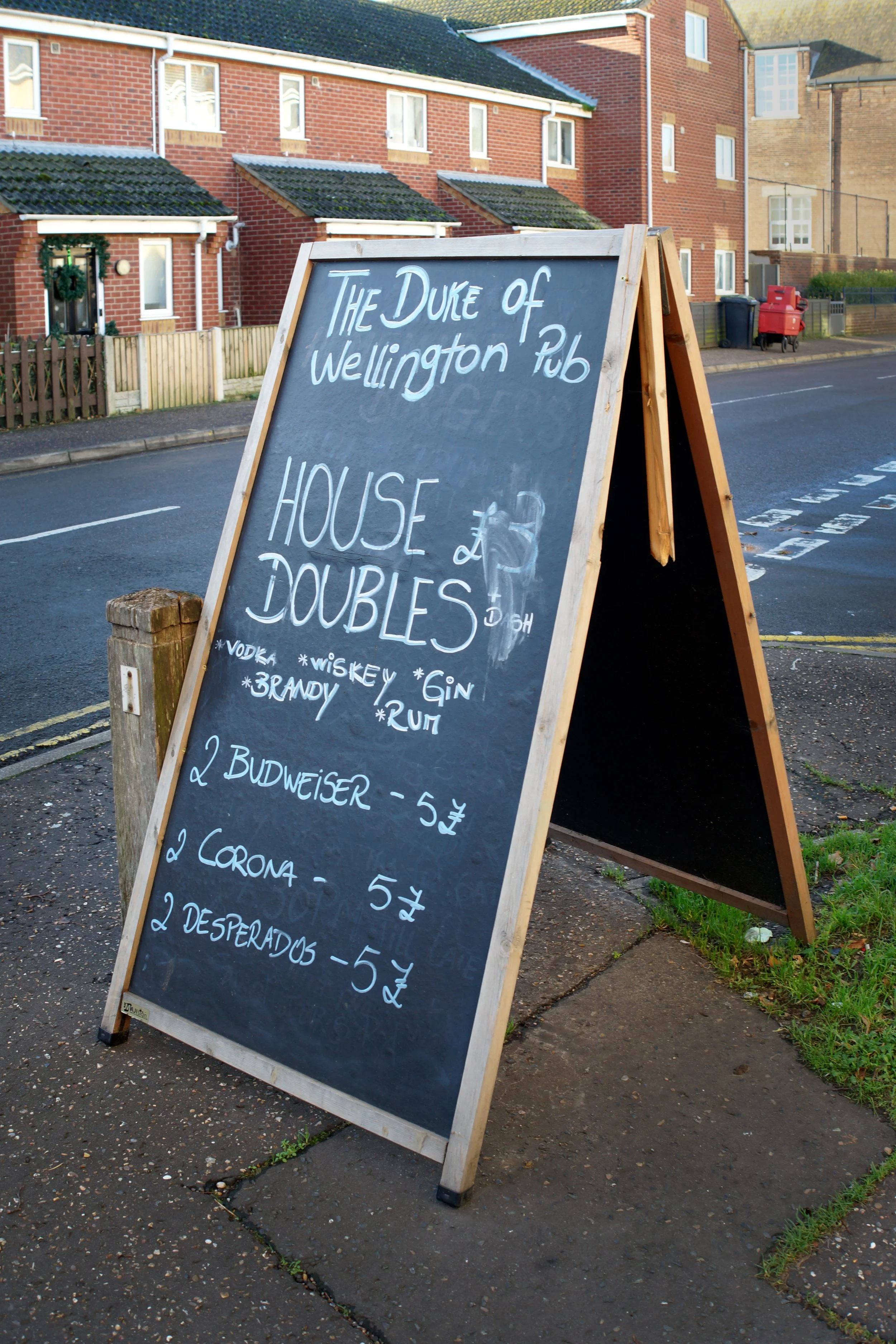
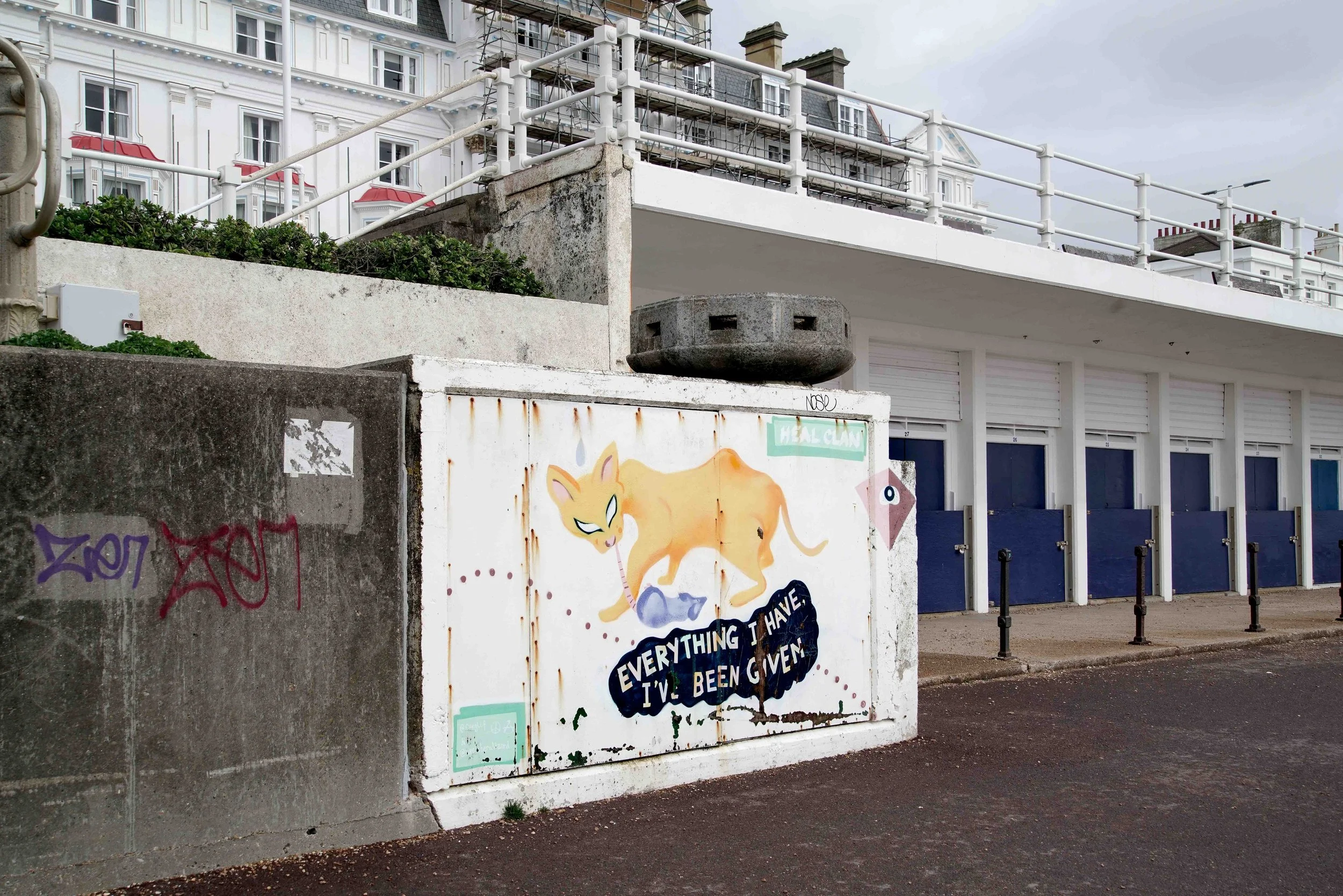
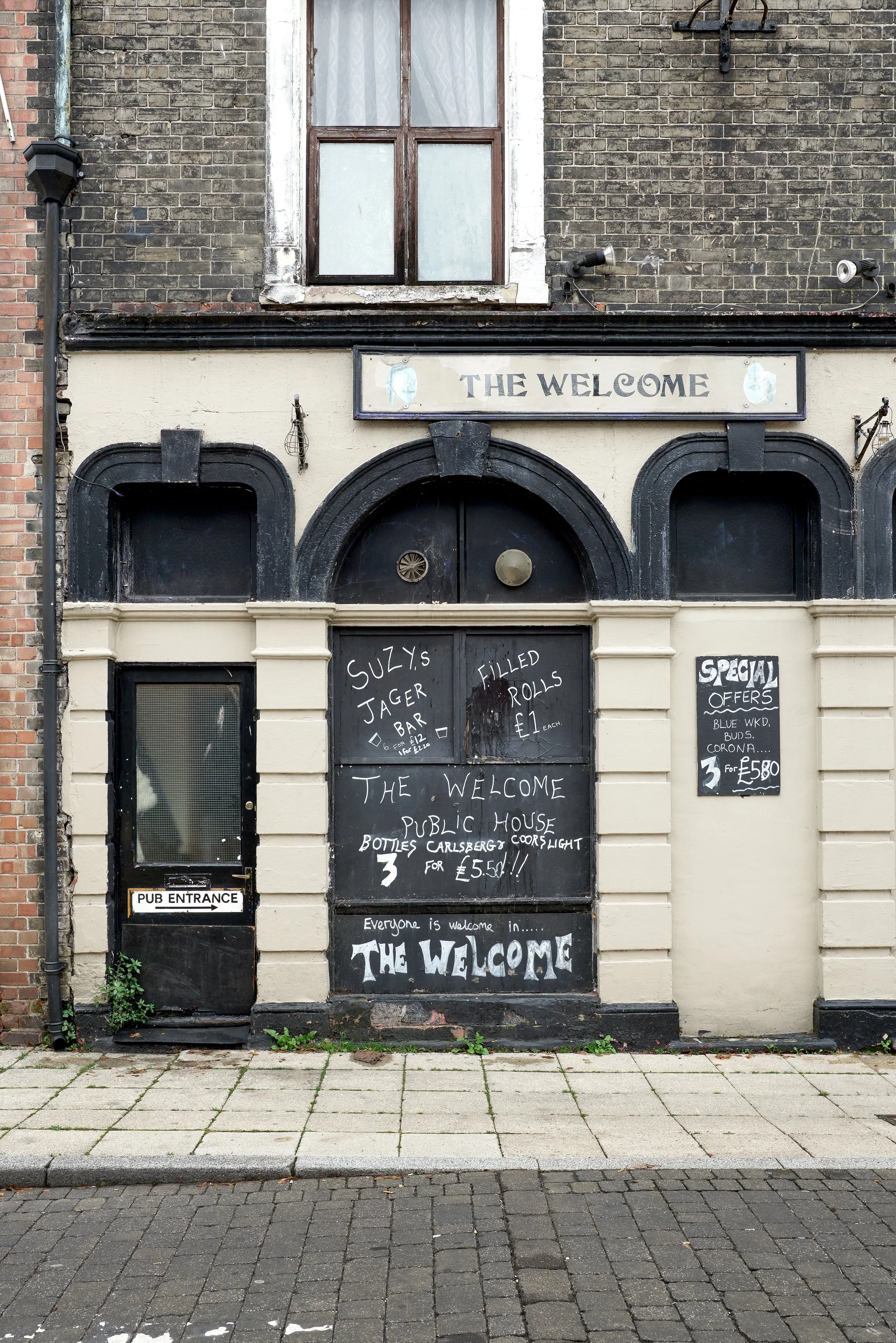
The fourth pair returns to Lowestoft and Southwold. Lowestoft’s ‘The Welcome’ pub (IMD 219) has handwritten notices advertising cheap alcohol, while faded signage likely suggest a business competing primarily through price.
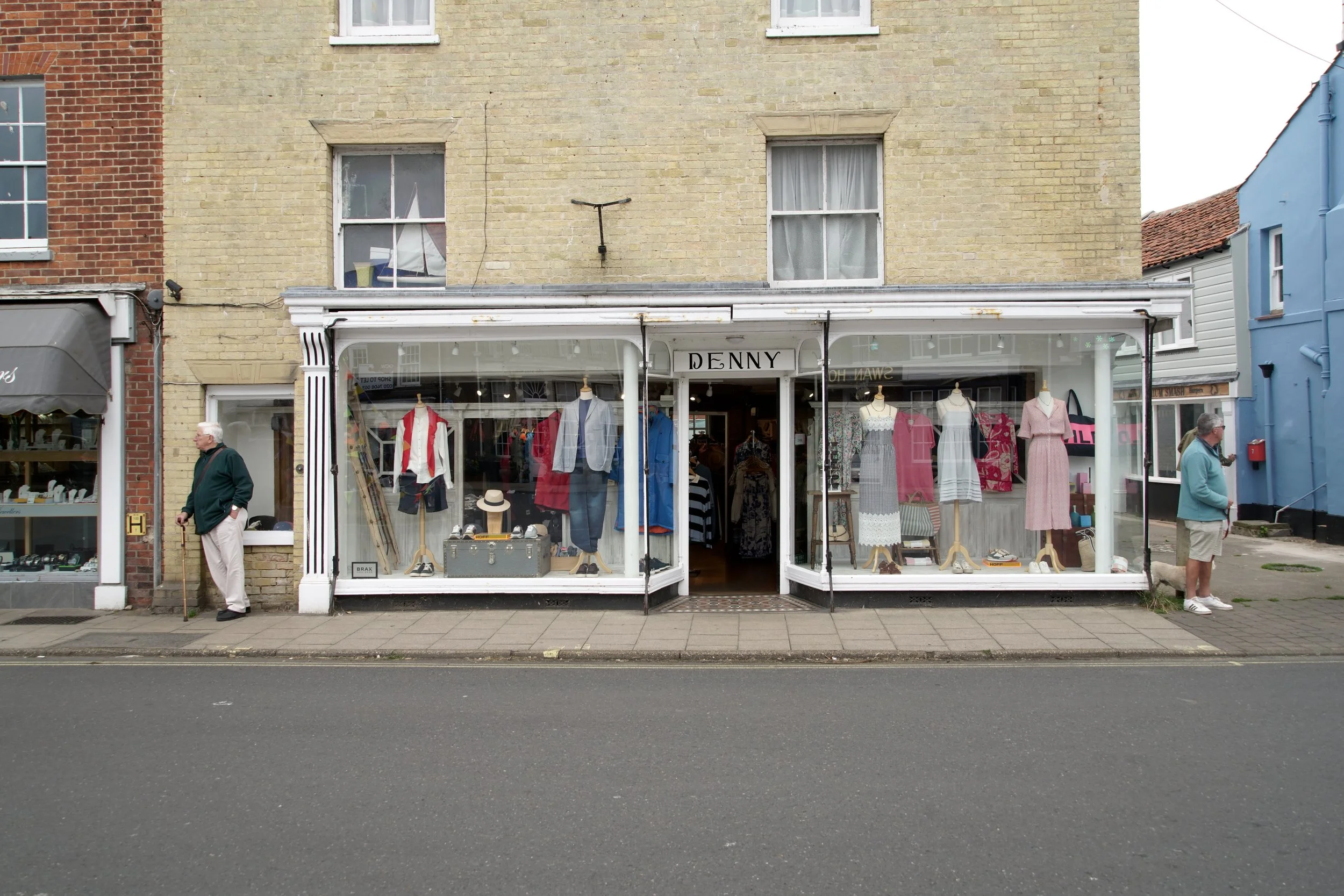
The clothes shop in Southwold (IMD 22420) has a restored, symmetrical frontage and restrained display.
The pairing contrasts economic pressure with seemingly confident specialist retail, and a low margin offer with consumption based on quality and discretionary income.
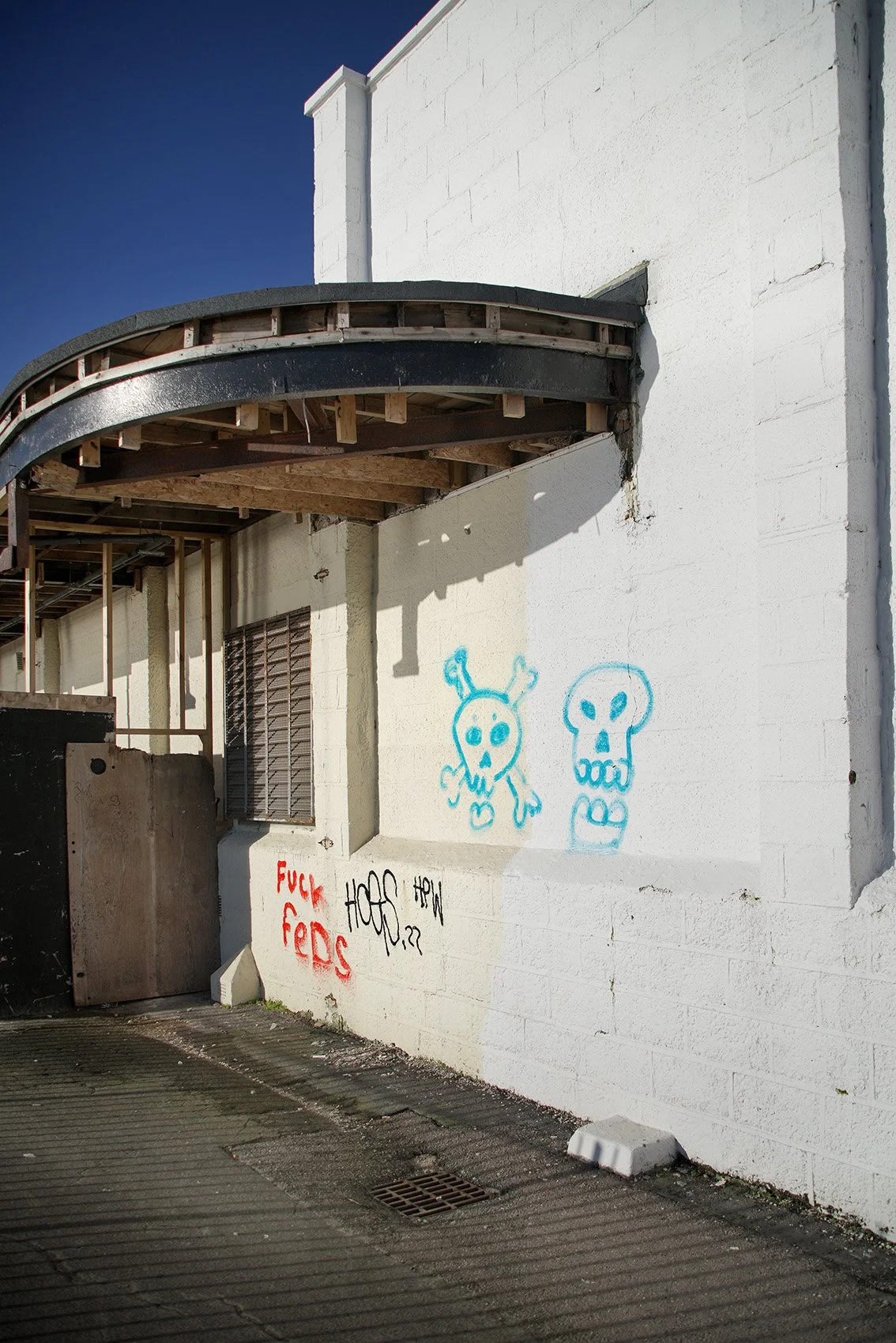
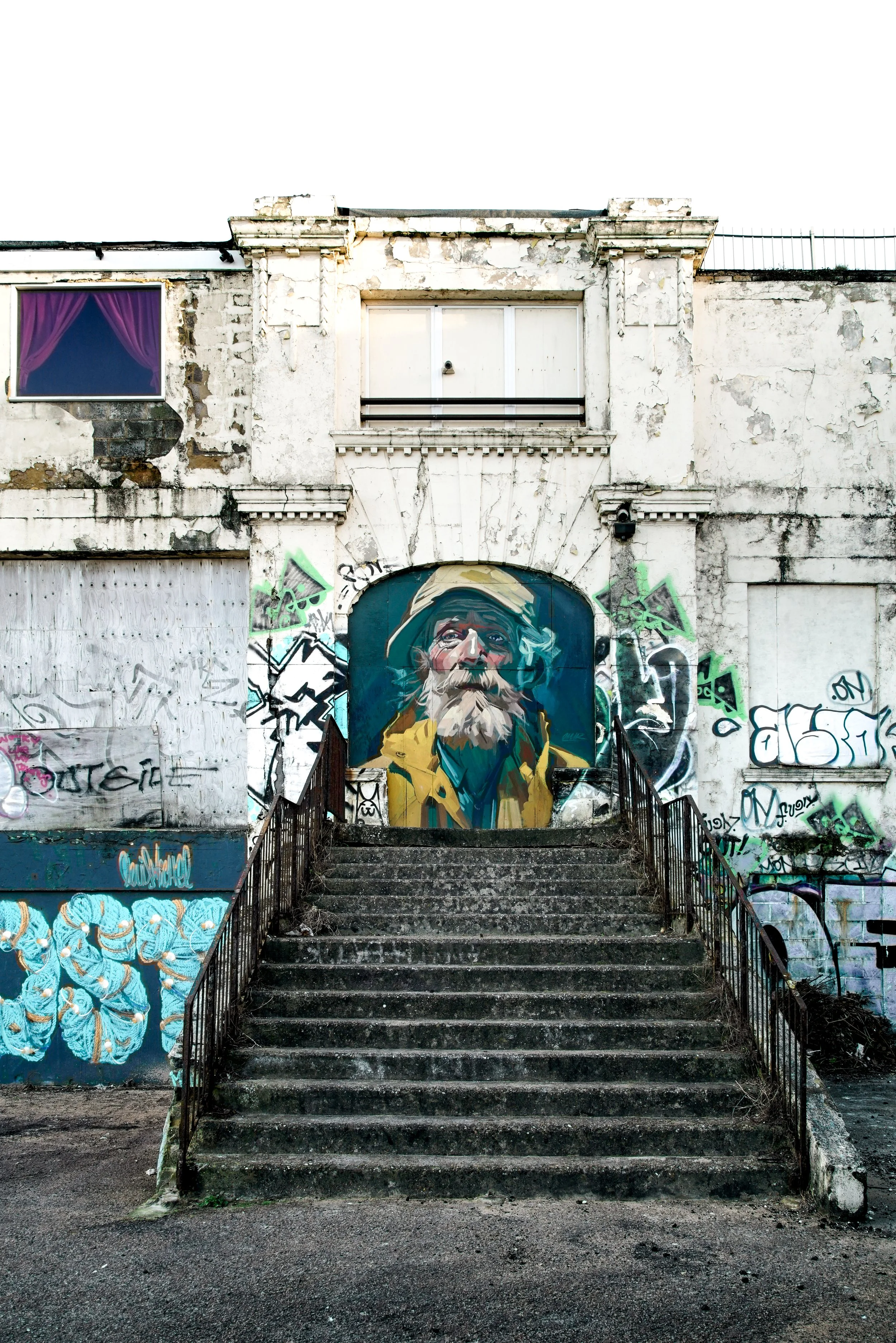
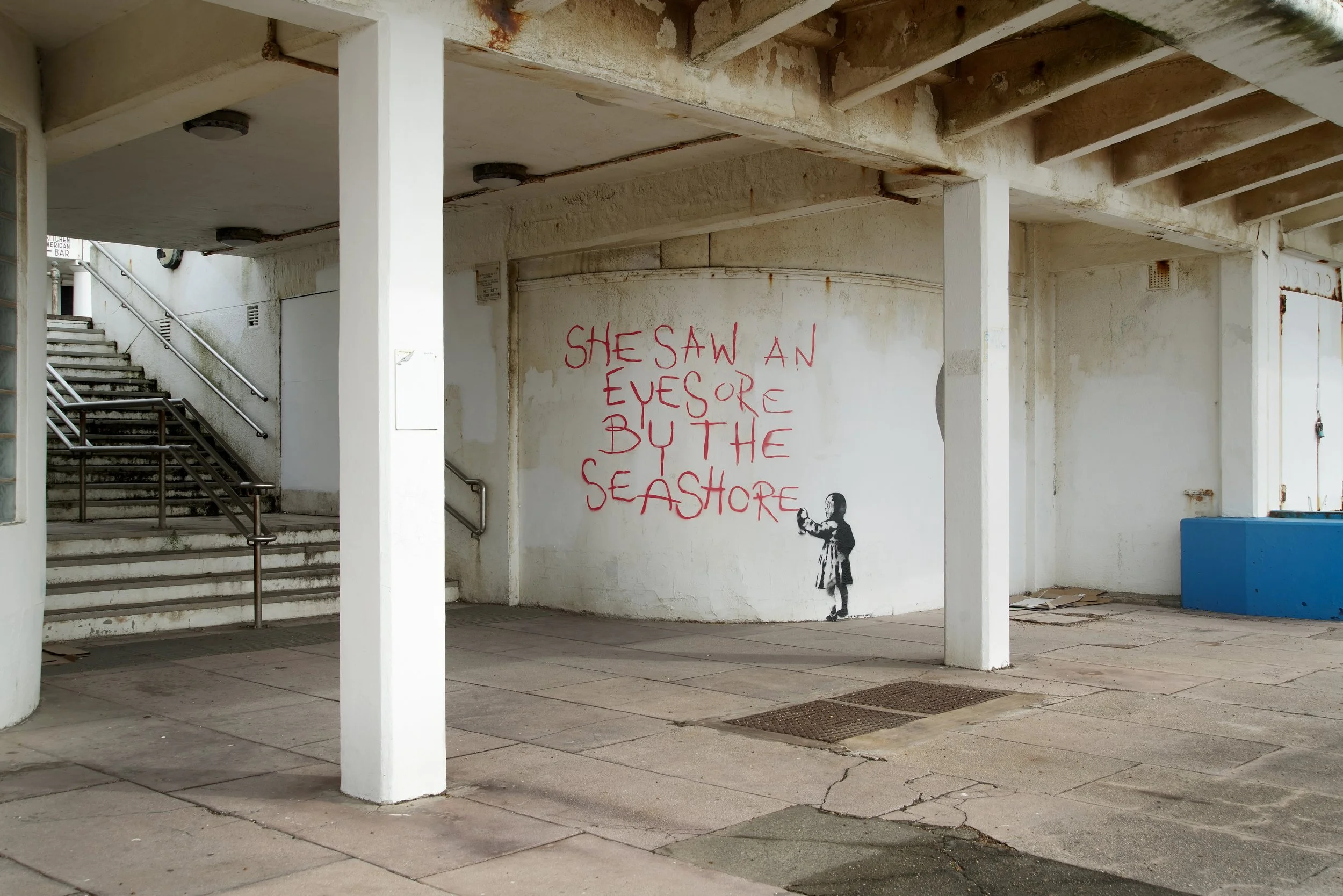
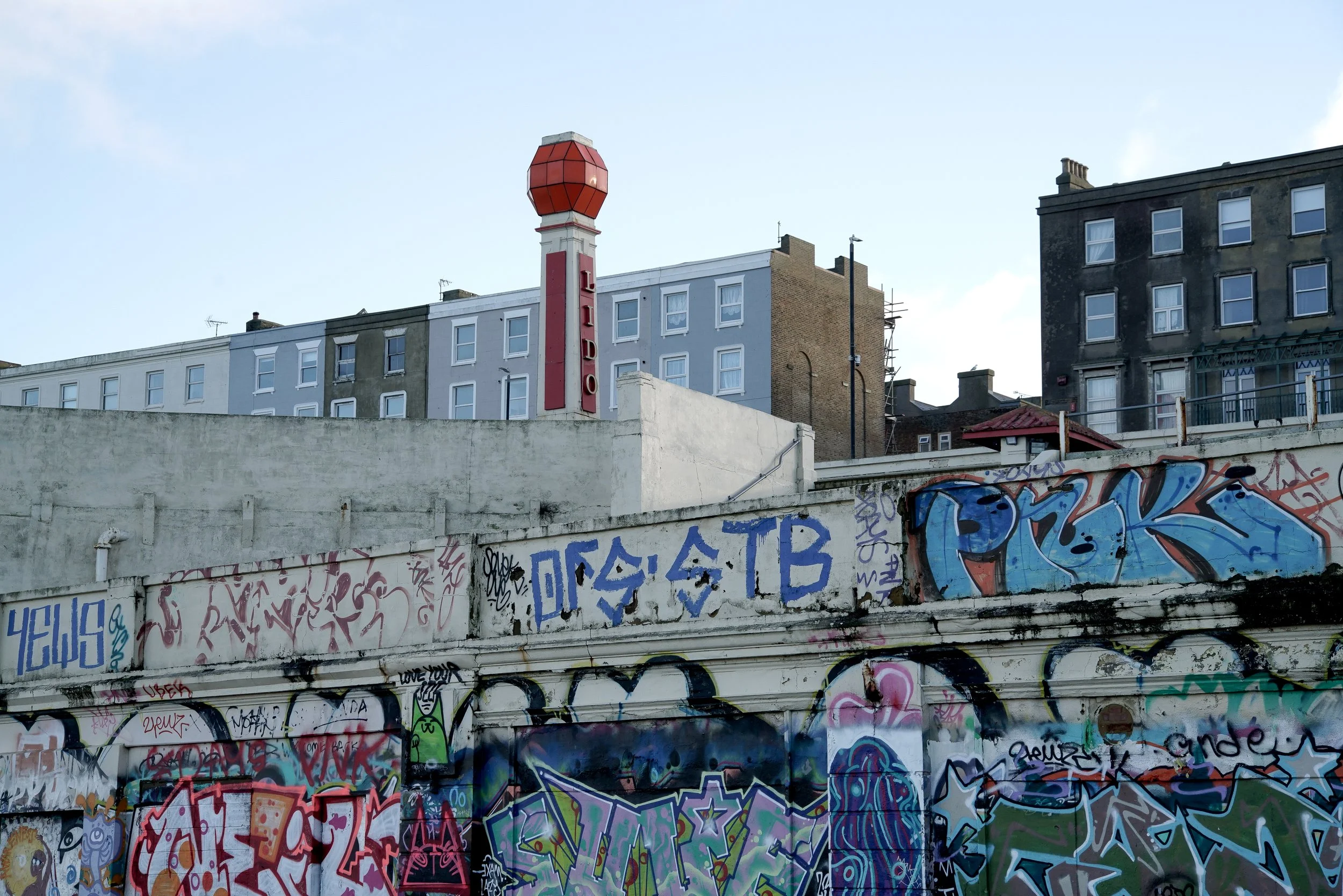
Margate and Broadstairs provide the fifth pair. Margate’s former Cliftonville Lido (IMD 87) is a graffiti covered, stained concrete structure.
A surviving tower signals its former purpose, but the swimming pool closed in the late 1970s, and the site has fallen into disrepair.
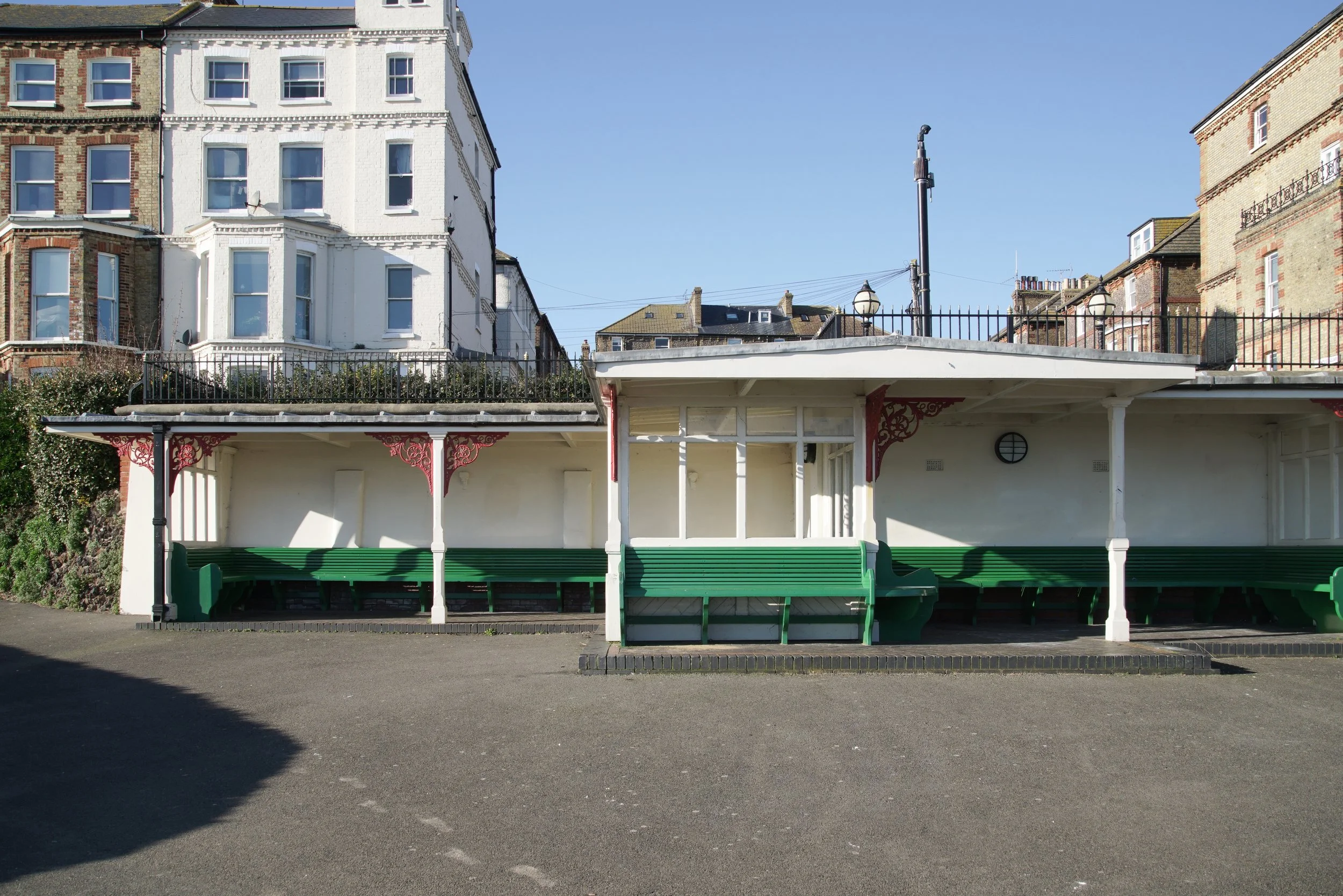
Neighbouring Broadstairs is represented by a cliff top shelter (IMD 7971) whose green painted seating, decorative brackets and painted surfaces are well maintained and intact. It is a small public amenity that remains part of everyday life.
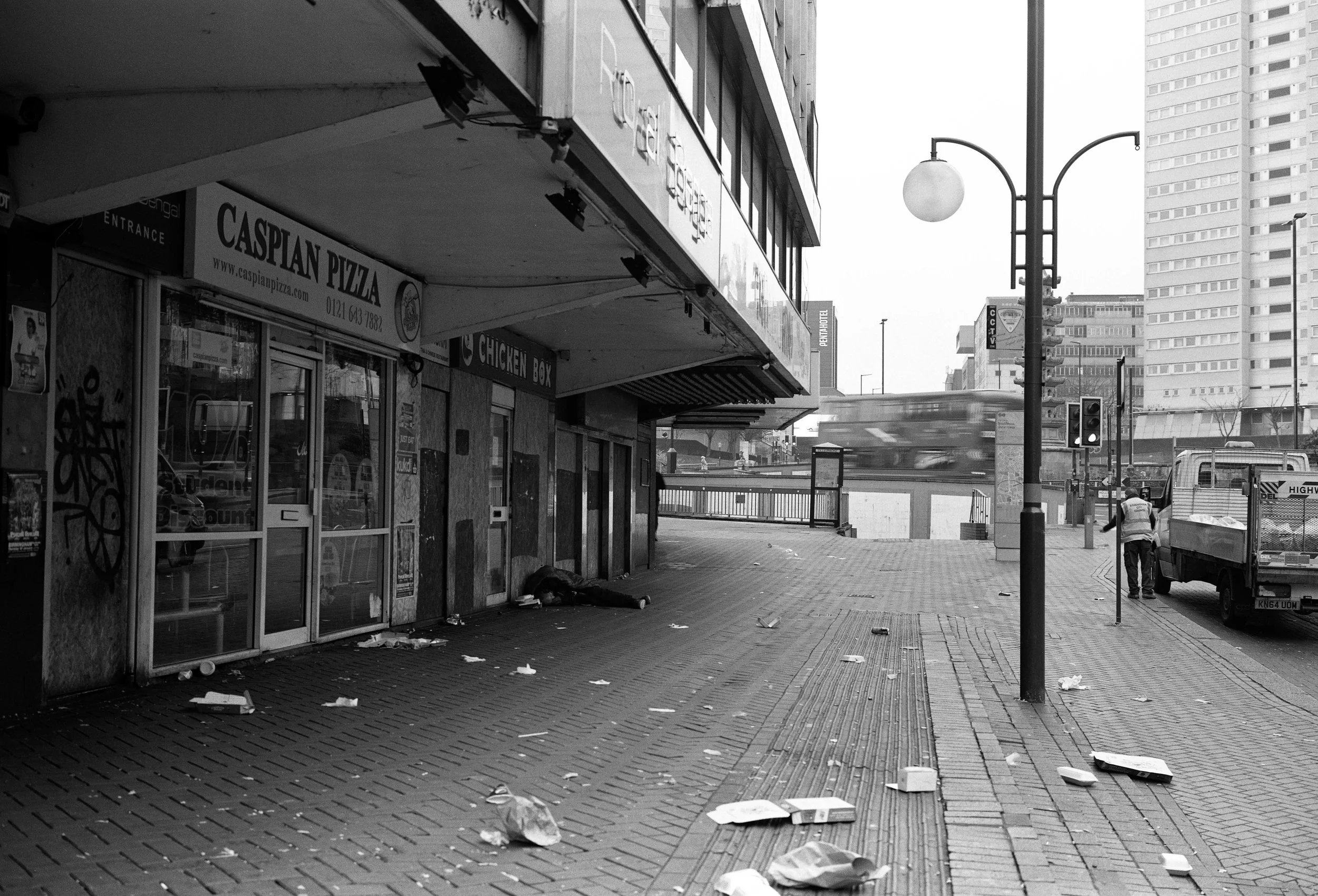
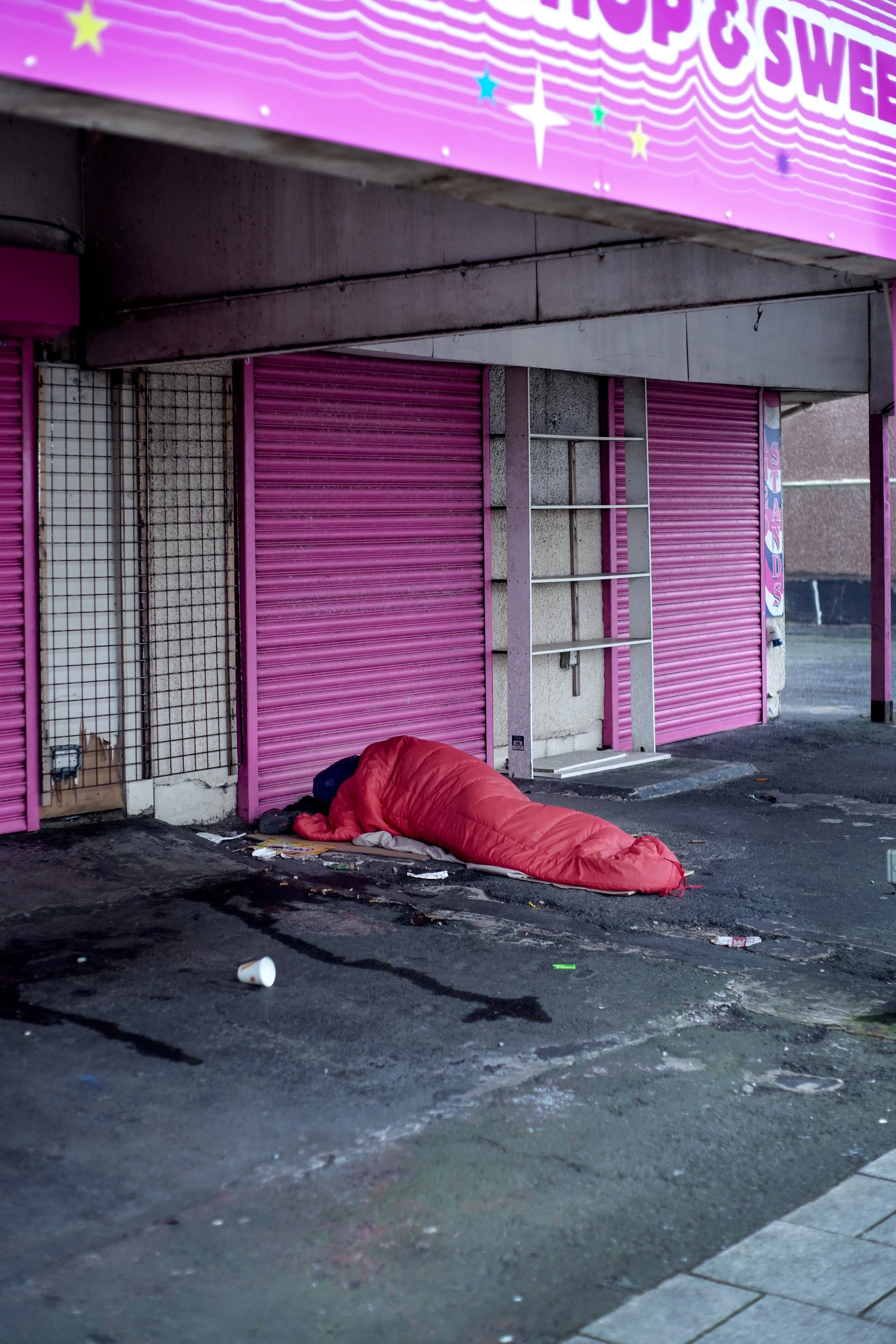
The next pair revisits Blackpool and Lytham St Annes. A person sleeps rough outside the shuttered premises beneath a pink fascia on Blackpool’s promenade (IMD 12).
The image juxtaposes acute social need with a landscape designed for pleasure and leisure consumption.
The photograph cannot represent Blackpool as a whole, but the sight of someone sleeping rough beside shuttered leisure premises is difficult to ignore.
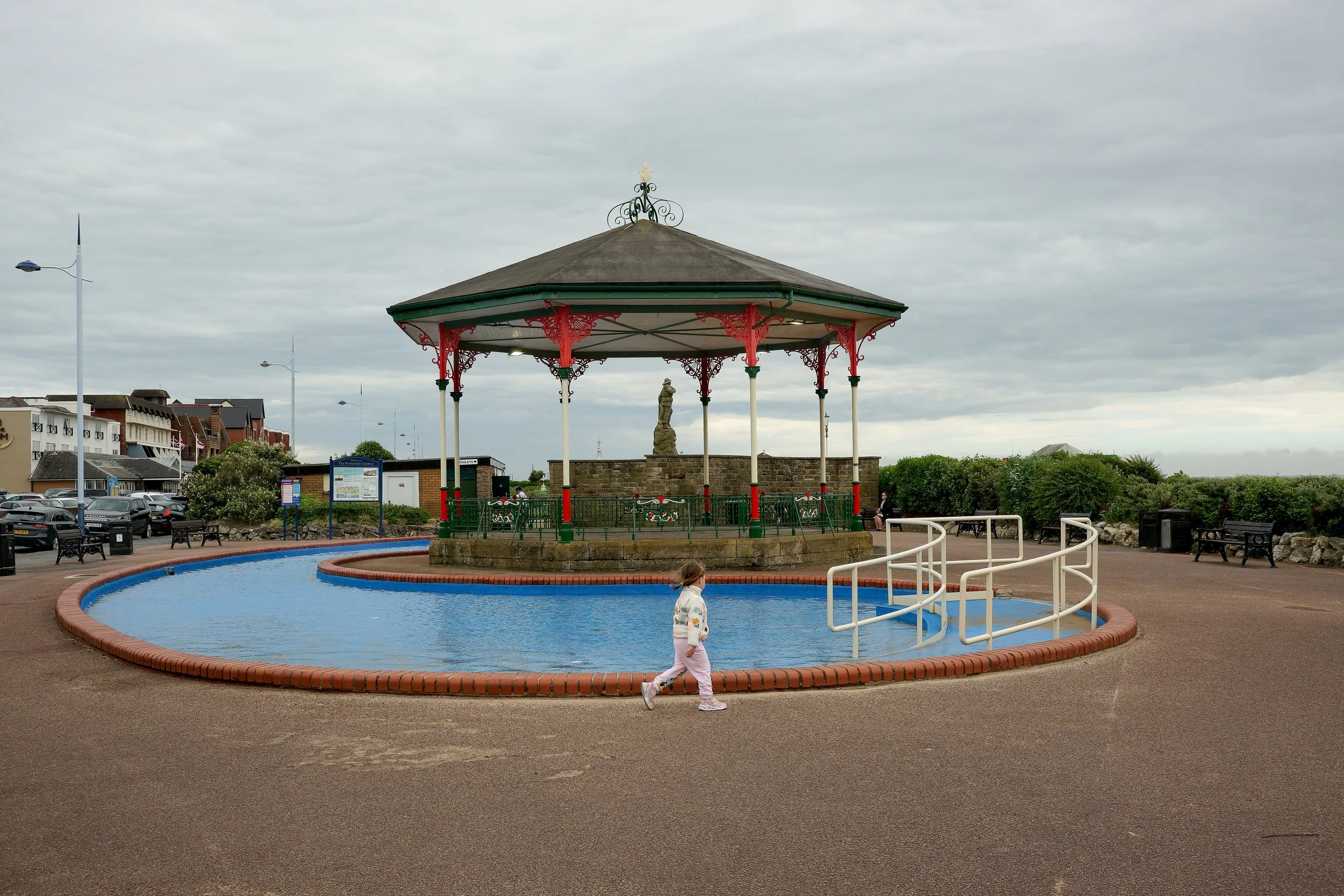
Lytham St Annes instead shows a well maintained bandstand (IMD 10726) and paddling pool with a child crossing the foreground.
ely more deprived town and the second its more prosperous neighbour.
Together, the images use physical condition, vacancy and the quality of public spaces to visualise different economic histories and current socio-economic circumstances.
The first pair contrasts Blackpool with Lytham St Annes. Blackpool is represented by a brightly painted amusement building advertising slot machines and a £1 burger (IMD 3).
Its crowded lettering and slogan painted across a shutter evoke inexpensive entertainment and the struggle to attract passing trade.
In Lytham St Annes, an ornamental fountain occupies a planted public space (IMD 10726). Its condition, open setting and civic function suggest continuity and active maintenance rather than the pressure to generate income.
The second pair moves from Lowestoft Old Town to Aldeburgh. Lowestoft’s Crown Hotel (IMD 219) retains the scale and ornamentation of a substantial historic building yet has long been closed and boarded up.
In Aldeburgh, a commercial art gallery (IMD 17351) presents a clean facade and carefully arranged window display.
Its traditional frontage and curated display convert historic character into an upmarket retail attraction.
The contrast is between heritage as a costly liability and heritage successfully marketed as a retail asset.
Ramsgate Old Town and Broadstairs form the third pairing. The Ramsgate building (IMD 2862), a former public house, has elegant proportions and surviving columns, but boarded openings, graffiti and weathered surfaces suggest prolonged vacancy.
In neighbouring Broadstairs (IMD 9637), the Tartar Frigate’s flint facade, sash windows and traditional signage are actively maintained. Its maritime identity is packaged as a gastropub experience.
Both photographs show historic fabric; one records permanent closure while the other shows heritage supporting an operating business.
The fourth pair returns to Lowestoft and Southwold. Lowestoft’s ‘The Welcome’ pub (IMD 219) has handwritten notices advertising cheap alcohol, while faded signage suggests a business competing primarily through price.
The clothes shop in Southwold (IMD 22420) has a restored, symmetrical frontage and restrained display.
The pairing contrasts economic pressure with seemingly confident specialist retail, and a low-margin offer with consumption based on quality and discretionary income.
Margate and Broadstairs provide the fifth pair. Margate’s former Cliftonville Lido (IMD 87) is a graffiti-covered, stained concrete structure.
A surviving tower signals its former purpose, but the swimming pool closed in the late 1970s and the site has fallen into disrepair.
Neighbouring Broadstairs is represented by a clifftop shelter (IMD 7971) whose green-painted seating, decorative brackets and painted surfaces are well maintained and intact. It is a small public amenity that remains part of everyday life.
The next pair revisits Blackpool and Lytham St Annes. A person sleeps rough outside the shuttered premises beneath a pink fascia on Blackpool’s promenade (IMD 12).
The image juxtaposes acute social need with a landscape designed for pleasure and leisure consumption.
The photograph cannot represent Blackpool as a whole, but the sight of someone sleeping rough beside shuttered leisure premises is difficult to ignore.
Lytham St Annes instead shows a well maintained bandstand (IMD 10726) and paddling pool with a child crossing the foreground.
Public space appears usable and supported by continuing municipal maintenance.
The final pairing returns to Margate and Broadstairs.
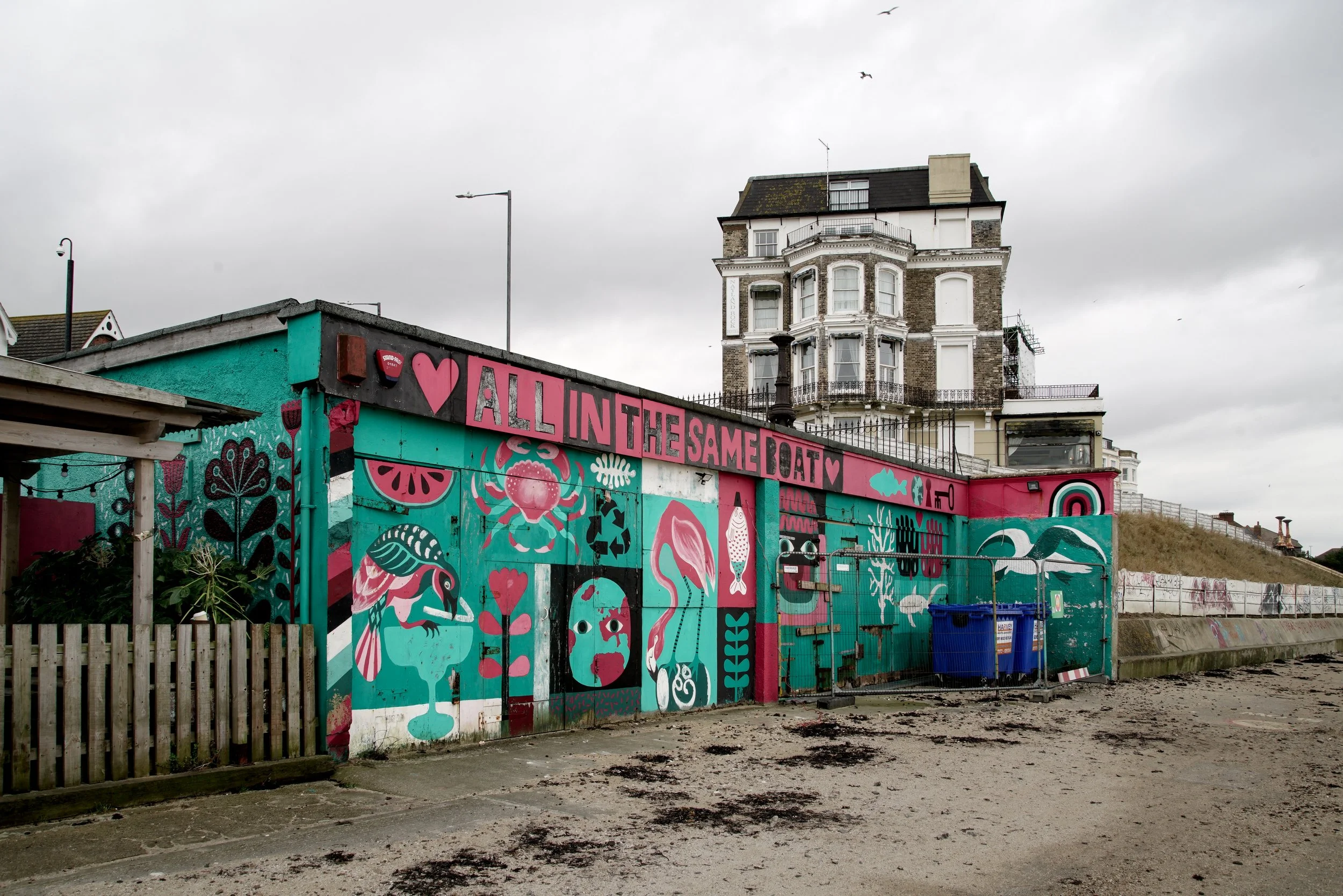
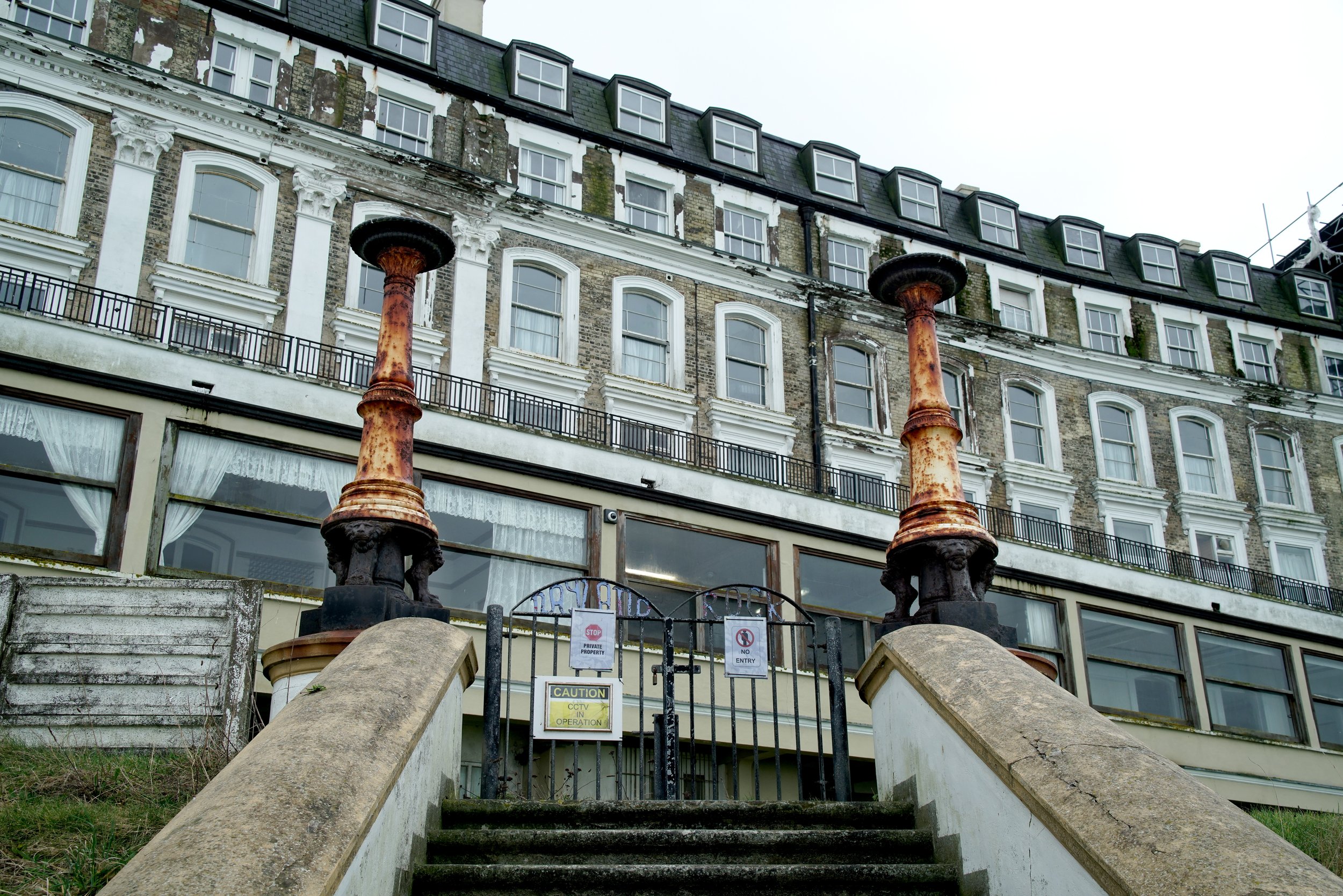
Margate’s seafront Nayland Rock Hotel (IMD 4006) retains an imposing terrace and monumental entrance, but rusted columns, missing decorative finishes and warning signs epitomise its deterioration.
Its size conveys the maintenance burden left by mass tourism following the decline in tourist numbers and income from the 1970s.
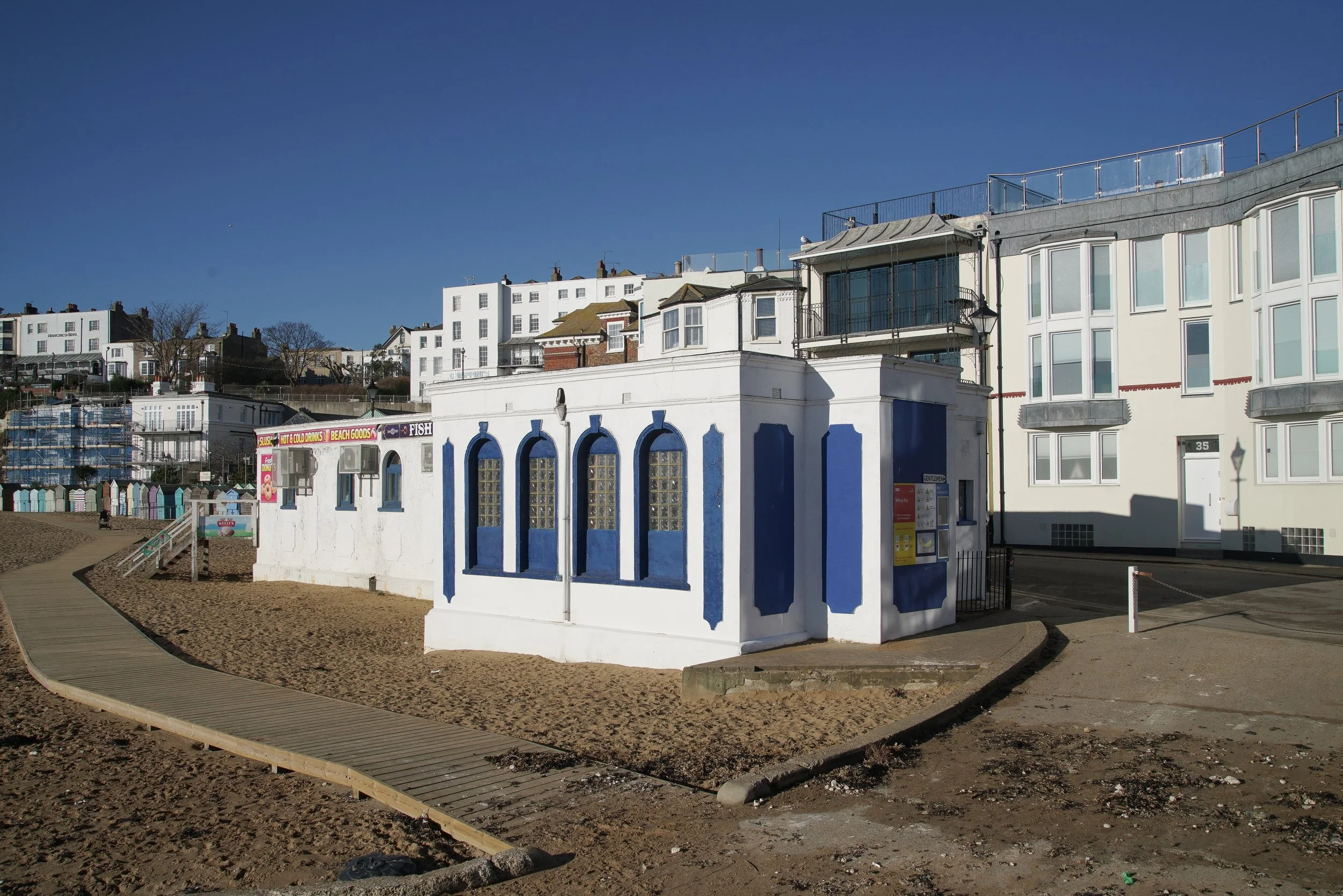
Broadstairs concludes with a more intimate beach scene: a blue and white structure, beach huts and a wooden path across the beach (IMD 9637).
The buildings are well kept, and their smaller scale remains compatible with current leisure and residential use.
Taken together, the pairs show that physical condition is both an outcome and a mechanism of inequality.
Occupied shops, well maintained public spaces and functioning amenities encourage confidence and reinforce a genteel identity.
Vacancy and inadequate maintenance reveal weak demand and can act to further deter investment.
The sequence does not suggest that prosperous towns are free from deprivation or that deprived towns lack culture and community.
It shows how contrasting development histories become visible.
One resort sustains its inheritance as desirable heritage, while another struggles with buildings and infrastructure whose original economic purpose is compromised or has disappeared.